Luxury marble: the stones behind the world's most famous buildings
Palaces, mausoleums, seven-star hotels and Manhattan towers: when a project wants to say luxury, it almost always turns to natural stone. Here are some of the world's most famous buildings, the stone they chose, and what that teaches anyone looking for an exceptional stone for their own project.
The Taj Mahal: white Makrana marble
The world's most famous mausoleum, in Agra (India), is clad in white marble from Makrana, in Rajasthan. It was completed in the 17th century and the Makrana quarries are still active: the stone is still used today, including for restoration. Its bright white and fine grain explain why the building seems to change colour with the daylight.
Versailles: Languedoc red and Campan green
At the Grand Trianon in Versailles, Louis XIV replaced a porcelain pavilion with one in marble. According to the palace itself, the pilasters are red Occitan marble (known as Languedoc red), the main courtyard columns are Campan green and the capitals are white Carrara marble. It is the classic example of combining several coloured stones in one building.
Michelangelo's David: Carrara marble
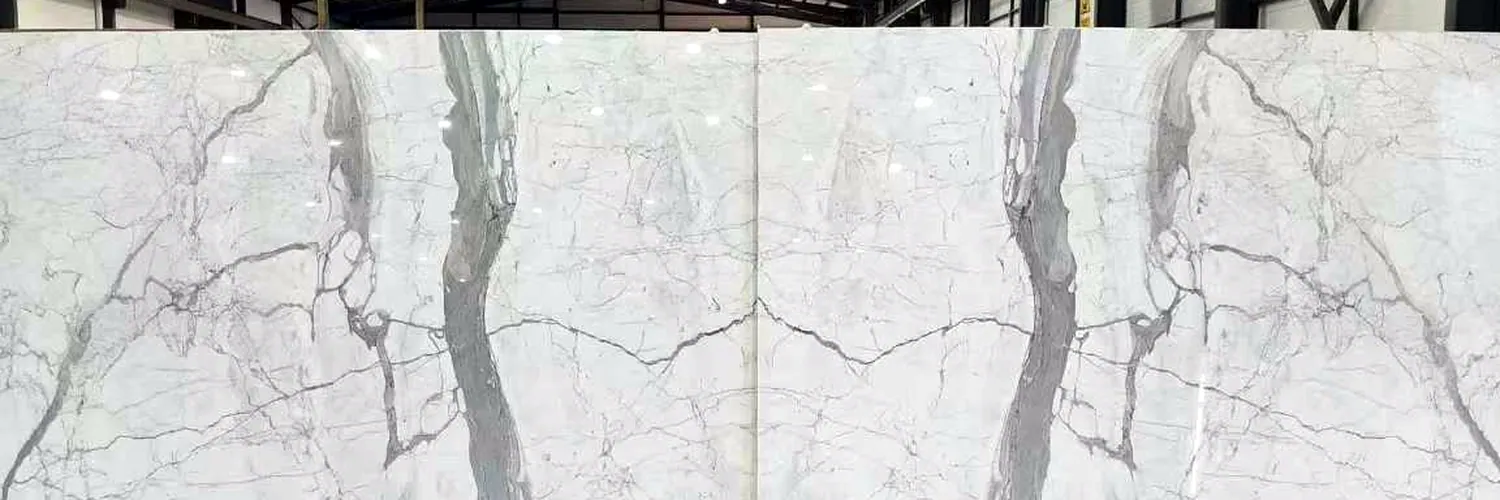
The most famous sculpture of the Renaissance was carved from a block of Carrara marble, in Tuscany. The same area produces today's most sought-after white marbles, such as Statuario and Calacatta. We explain the difference in Carrara vs Calacatta.
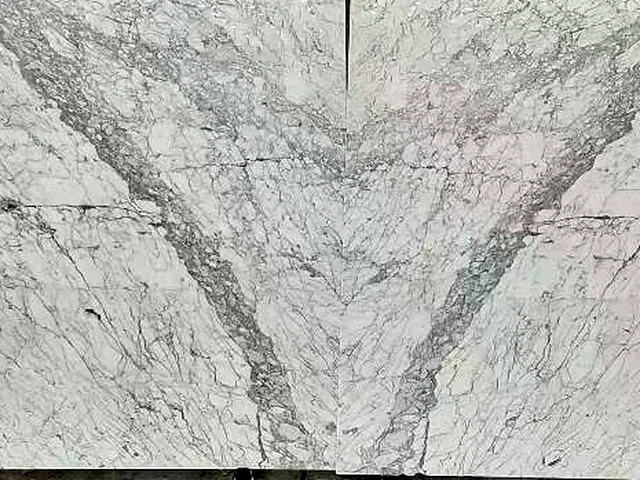
Burj Al Arab: Statuario on walls and floors
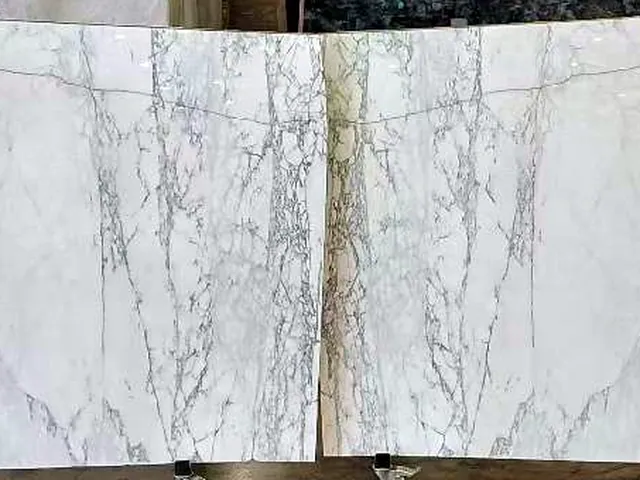
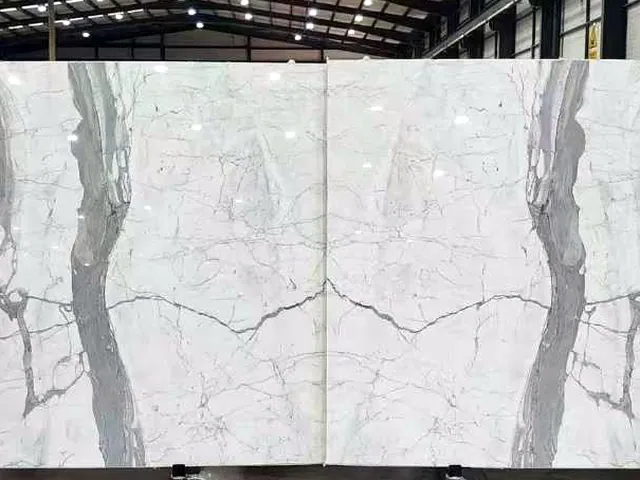
Dubai's sail-shaped hotel is a byword for luxury. According to Jumeirah, the hotel group, more than 30 types of Statuario marble were used on its walls and floors, around 24,000 m². It shows what a project like this demands: many slabs from the same stone family that work together.
Trump Tower: Breccia Pernice in the atrium
The public atrium of the Fifth Avenue tower in New York is clad in Breccia Pernice, a pinkish Italian breccia with red, pink and white fragments from the Verona area. A very recognisable stone that proves luxury is not always white.
What luxury stones have in common
- Demanding selection. The name alone is not enough: the blocks and slabs with the best pattern and no defects are chosen. That is why two slabs with the same name can look very different.
- Slabs from the same block. On a large project the pieces have to match. Consecutive slabs from one block are reserved so tone and veining carry on.
- Book-matched. The most striking walls and floors use book-matched slabs with symmetrical patterns. See what is bookmatching.
- Large format. Fewer joints and bigger pieces. More in large-format slabs and slab layout.
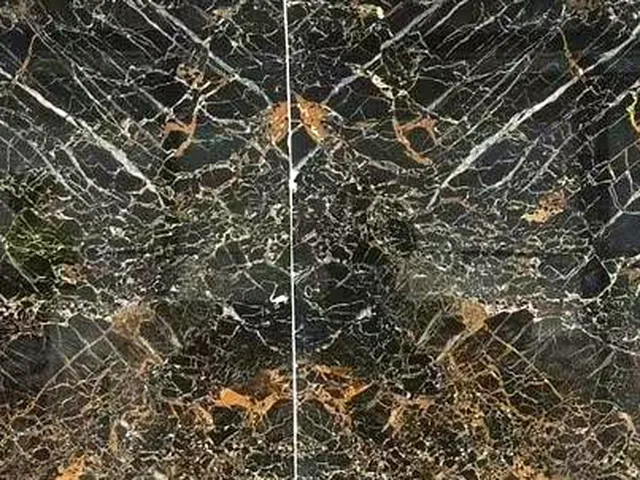
- Stones with character. Beyond the classic whites, luxury projects use blacks with gold veins, backlit onyx and crystal quartzites.
Stones from our catalogue for luxury projects
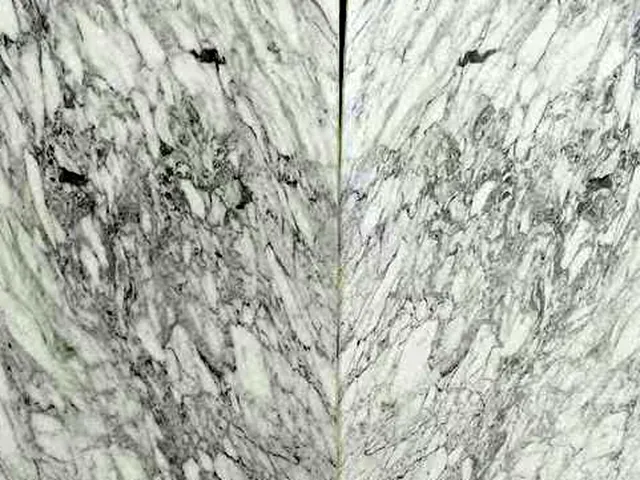
Some of the stones we work with, with photos of real slabs: Portoro, black with gold veins; Calacatta Viola, white with violet veins; Patagonia, a crystal quartzite that can be backlit; and Crystallo Blue, white crystal with blue areas.
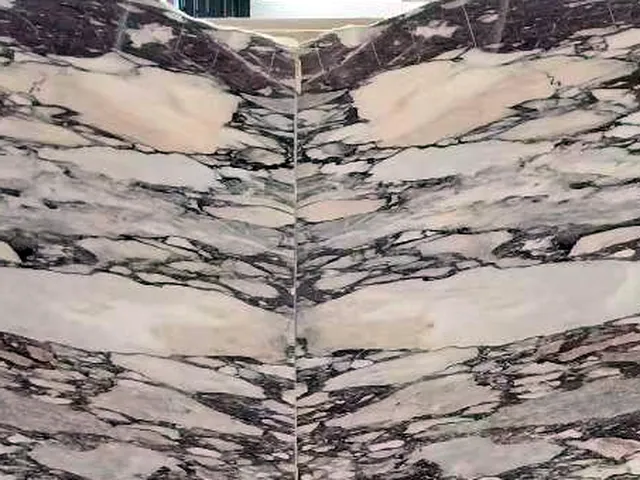
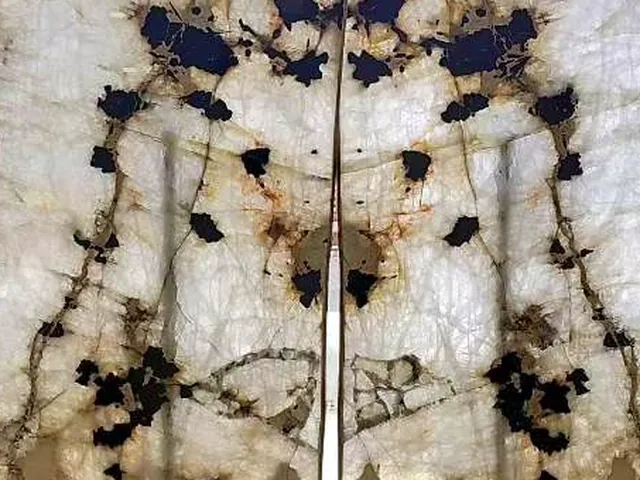
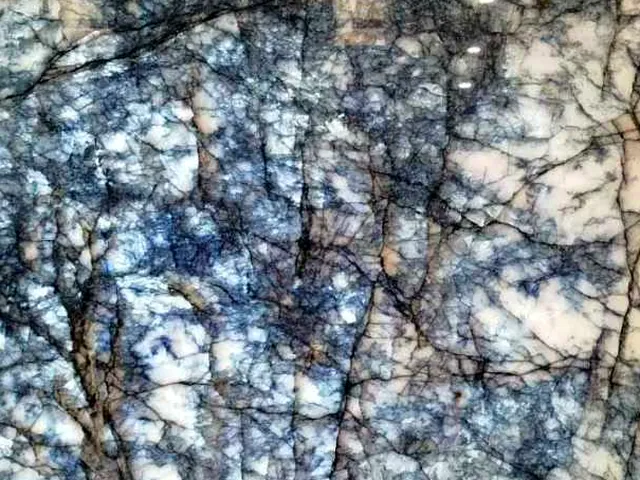
If you want to know what makes a stone expensive, see the most expensive marble in the world. For a specific project, ask us for photos of the slabs available: we can reserve them and ship worldwide.
Need information about a material? Tell us which stone you are interested in, the approximate quantity and the destination. Ask about availability and a quote
Are you an interior designer or architect? How we work with design studios · Contractor or fabricator? Trade supply