White marble types: names, differences and how to choose
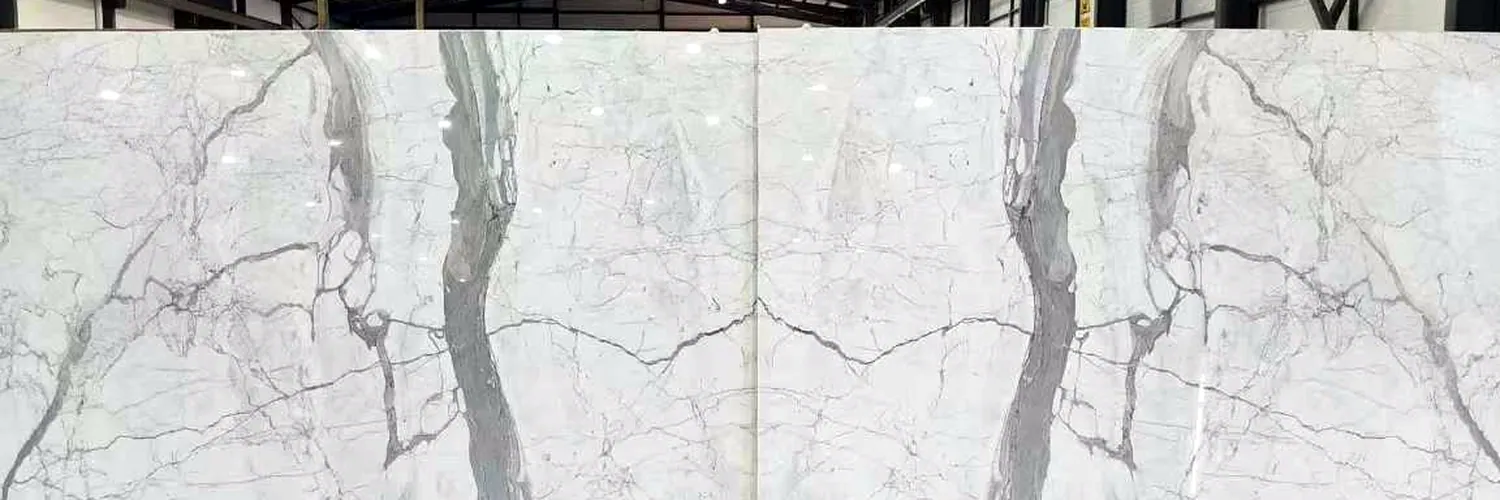
White is the most sought-after colour in marble, and the one with the most names. Calacatta, Statuario, Carrara… In a small photo they look alike, but in a kitchen or a bathroom they are very different. This guide puts them in order and helps you choose.
The seven names worth knowing
| Marble | Origin | Background | Veining |
|---|---|---|---|
| Carrara | Italy (Apuan Alps) | Greyish white | Grey, fine and soft |
| Calacatta | Italy (Carrara quarries) | Bright white | Grey, thick and bold |
| Statuario | Italy | Bright white | Grey, bold and dramatic |
| Arabescato | Italy (Carrara area) | White | Grey, dense and flowing, on the diagonal |
| Volakas | Greece | White | Grey, soft and flowing |
| Thassos White | Greece (island of Thassos) | Pure white | Almost none |
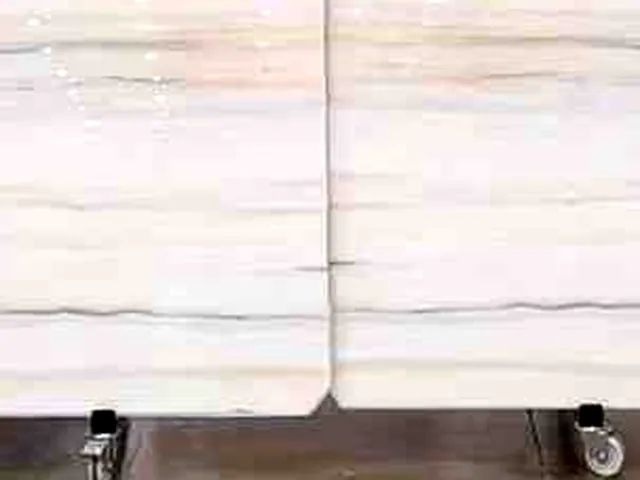
| Lasa White | Italy (South Tyrol) | Bright white | Fine horizontal grey and golden lines (in our slabs) |
Carrara, Calacatta and Statuario
These are the three great Italian whites, and Carrara and Calacatta even come from the same mountains, the Apuan Alps in Tuscany. Carrara is the most understated: from a distance it reads as light grey. Calacatta has a whiter background and thicker veins, and is the favourite for elegant kitchens and bathrooms. Statuario shares the very white background, with a more defined, dramatic grey vein. The quick test: step back a couple of metres (about six feet). If the stone looks light grey overall, it is Carrara. We go into detail in Carrara vs Calacatta, and cover the Calacatta varieties in types of Calacatta. Our catalogue also includes Calacatta Vagli, with dense, crystalline grey veining.
Arabescato: the white with the most movement
Also from the Carrara area. Its grey veining is dense and runs diagonally across the slab, so you see far more pattern than in a Carrara. A classic for bathrooms, floors and countertops.
The Greek whites: Volakas and Thassos
Volakas is an elegant white with soft, flowing grey veins, halfway between the restraint of Carrara and the drama of the heavily veined marbles. Thassos White is one of the whitest marbles in existence: pure white with almost no veining, perfect for minimalist spaces. Because it is so light, it should be well sealed in high-use areas.
Lasa: a clean white
Lasa White comes from South Tyrol. Our slabs have a bright white background with fine horizontal lines in grey and gold, for a very clean look. If you like linear whites, also look at White Serpeggiante, with parallel grey veins that snake across the slab.
More whites in our catalogue
The grid below shows every white stone we stock. Besides the classic marbles, you will find:
- Plain whites: Rhino White, a very uniform ivory, and Vietnam White, a pure white with hardly any veining.
- Whites with soft clouds: Namibia, Dessert White and Blanco Viena, which forms a radial pattern when book-matched.
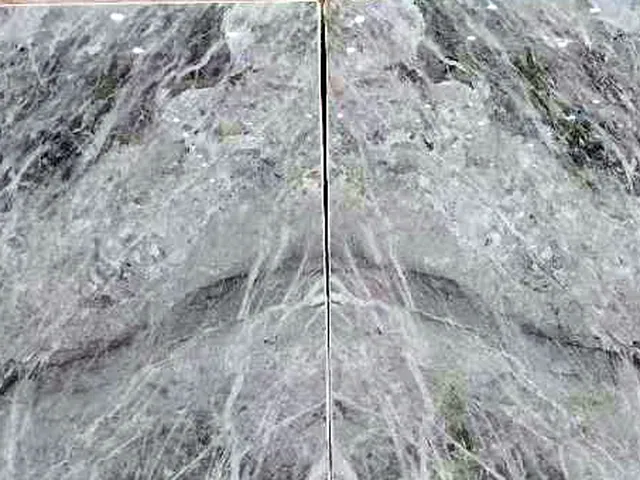
- Whites with a symmetrical book-matched pattern: Oyster, Maragogui and Renoir Blanc, whose curved bands look like wood grain.
- Whites with colour: Botticelli, with teal bands; Bossa Nova and Dover White, with grey and violet areas in a breccia pattern; and Patagonia Green quartzite, with large green, grey and black veins.
- Extreme contrast: Panda, with one large black band, and Atlantic White, with large black patches.
- Translucent: alabaster, softer than marble, for lamps and backlit features, and Crystallo White quartzite.
When to choose a white quartzite
If the stone is going on a hard-working kitchen countertop and you do not want lemon or vinegar marks, consider a quartzite: it is much harder than marble (see quartzite countertops). Some white quartzites from our catalogue:
- Mont Blanc: a greyish white with soft veins that recall snow. A good alternative to white marble in kitchens.
- Super White: grey veins and clouds with a look very close to marble.
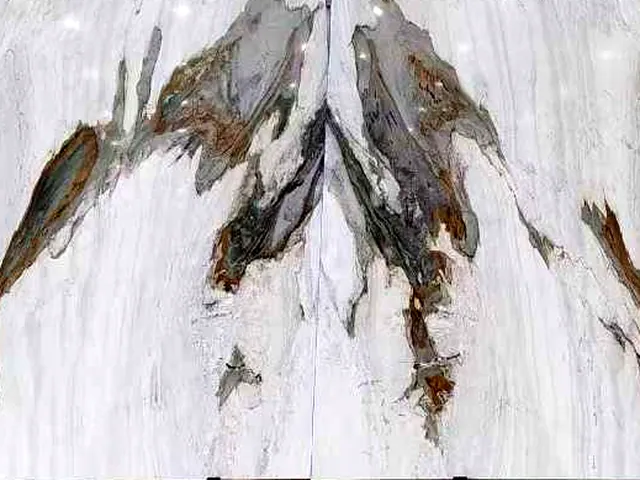
- Macchia Vecchia: central veins in brown, grey and gold, with a bold symmetrical pattern when book-matched.
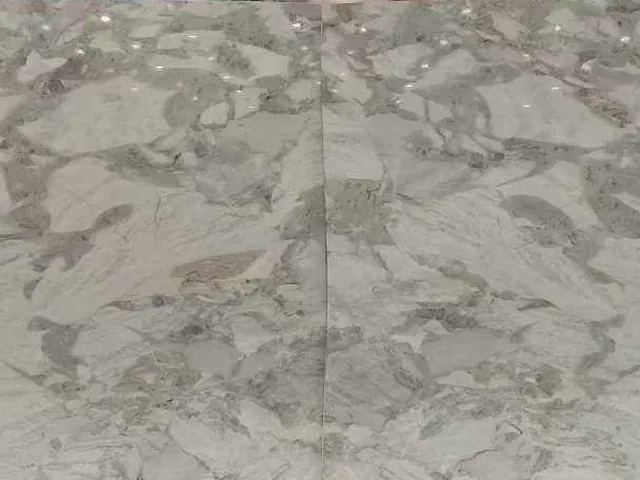
- Alpinus and Matarazzo: white backgrounds with grey patches (greenish too, in Matarazzo), for those who want movement.
Watch out: some white stones sold as quartzite are actually dolomites, which are somewhat more sensitive to acids. Before you decide, ask for a sample of the slab and do the glass and acid tests explained in quartzite that looks like marble.
Choose marble if you have fallen for a particular white and are happy for it to develop a patina over the years. For bathrooms, walls, floors and lightly used tables, it is perfect. We compare the two in marble vs quartzite.
Tips for choosing and caring for a white
- Choose the actual slab. In Calacatta and Statuario, the veining changes a lot from slab to slab. We send you photos of each slab and can reserve it for you.
- Always seal. Coffee, wine and oil show on a white stone. See how in do you need to seal marble?
- Polished or honed. Polished, white shines and the veins stand out, but etch marks show more; honed, they are easier to hide.
- Pairings: brass, natural wood, or a black stone for a classic checkerboard (see black marble types).
White marble and stone in our catalogue
Every photo shows a real slab in our warehouse:
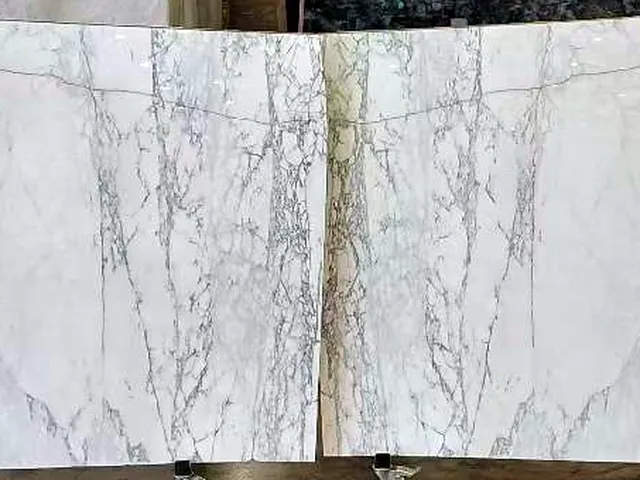
Calacatta
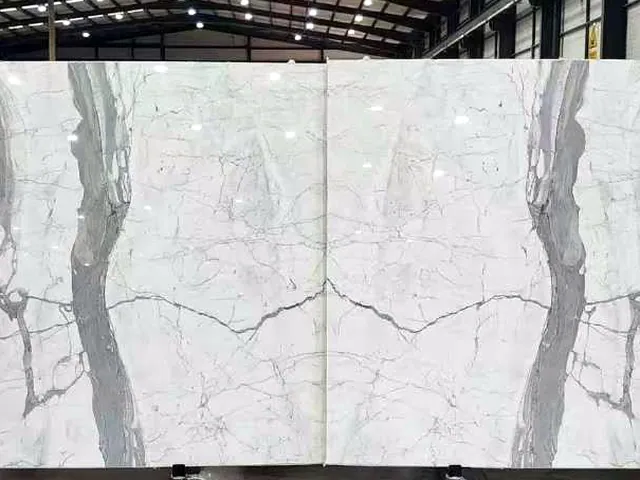
Statuario
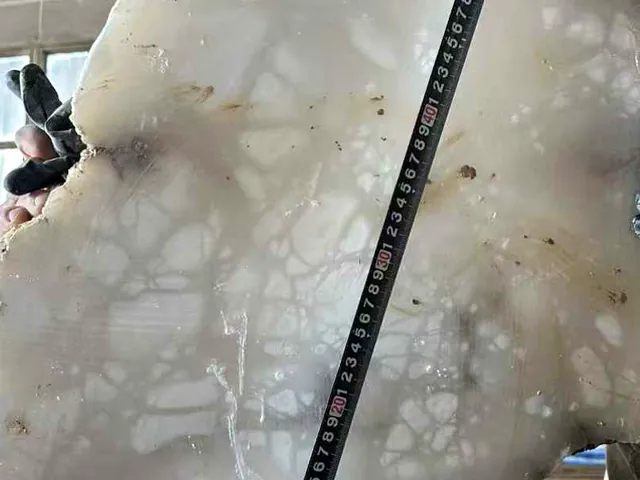
Alabaster
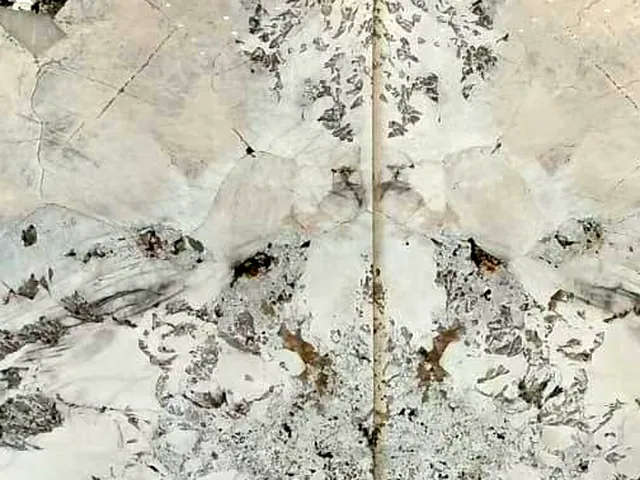
Alpinus
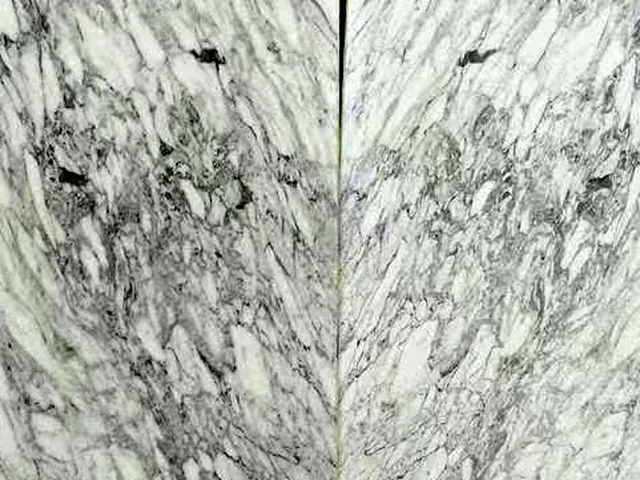
Arabescato
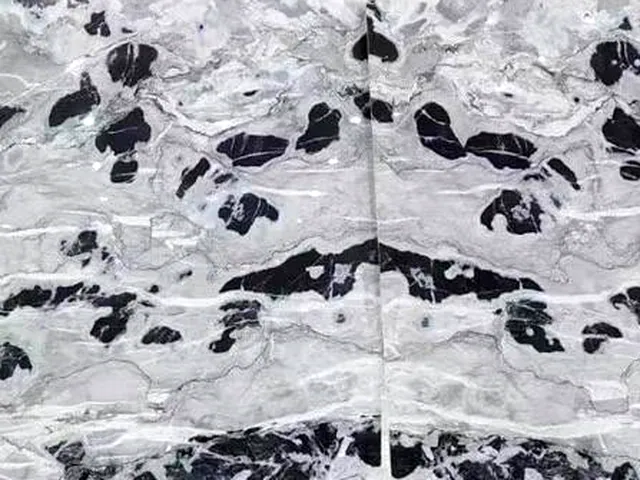
Atlantic White
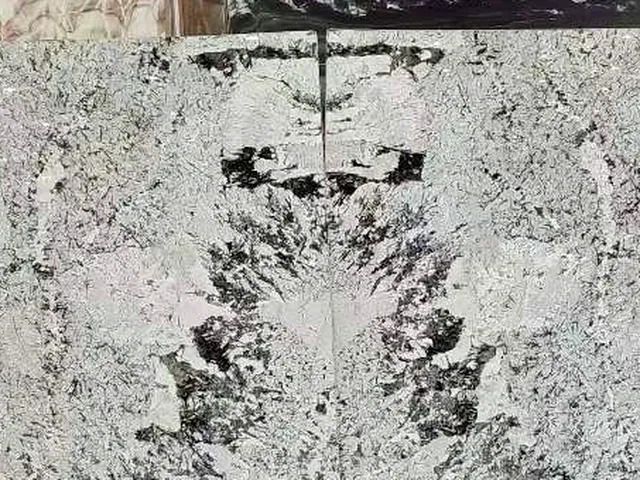
Blanco Viena
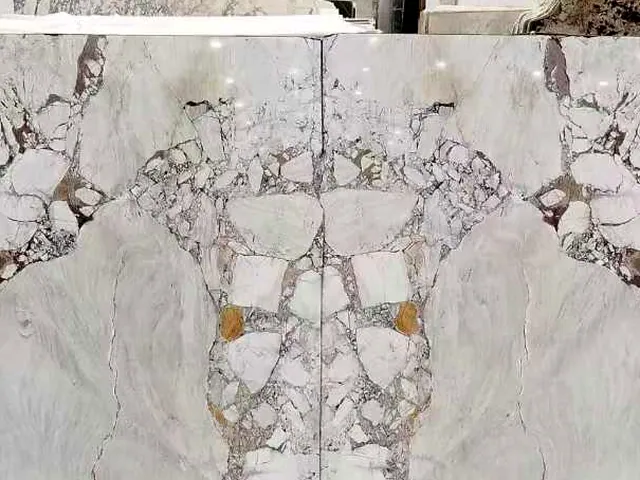
Bossa Nova
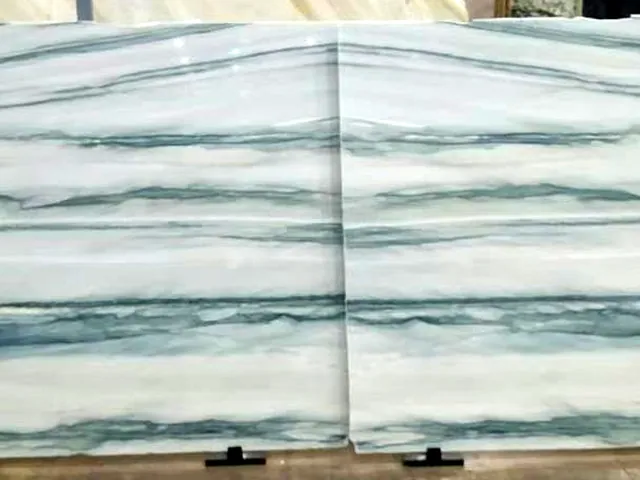
Botticelli
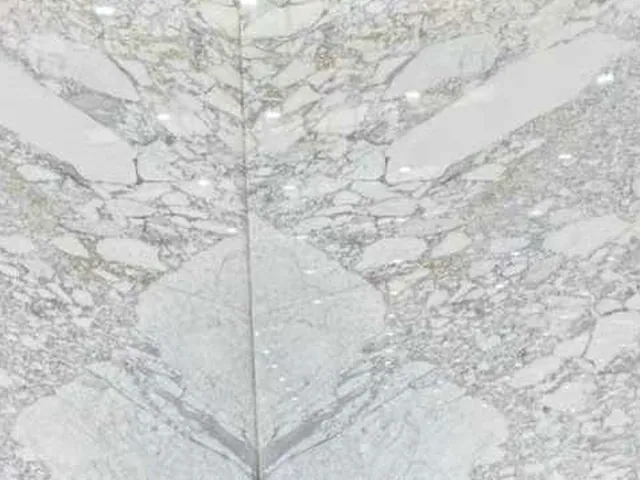
Calacatta Vagli
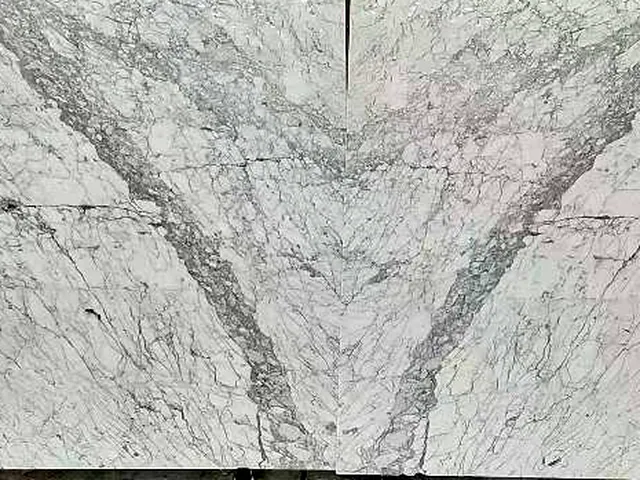
Carrara
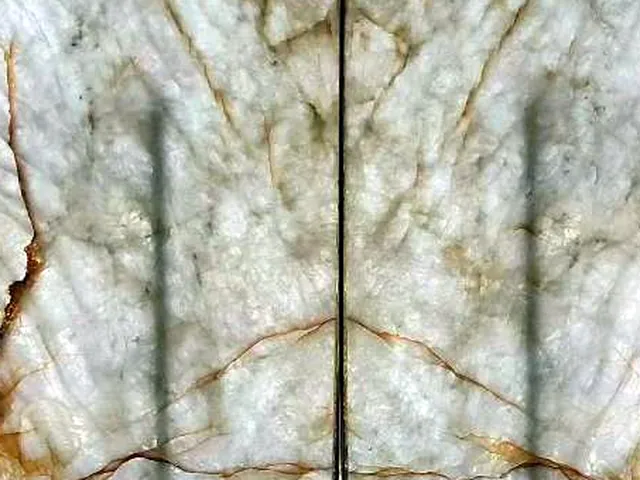
Crystallo
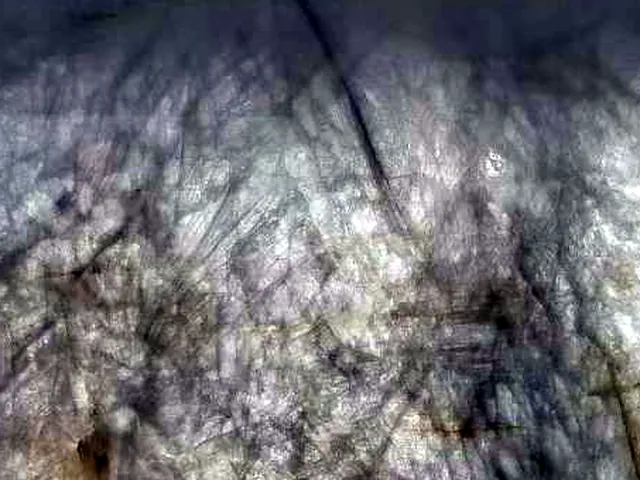
Crystallo White
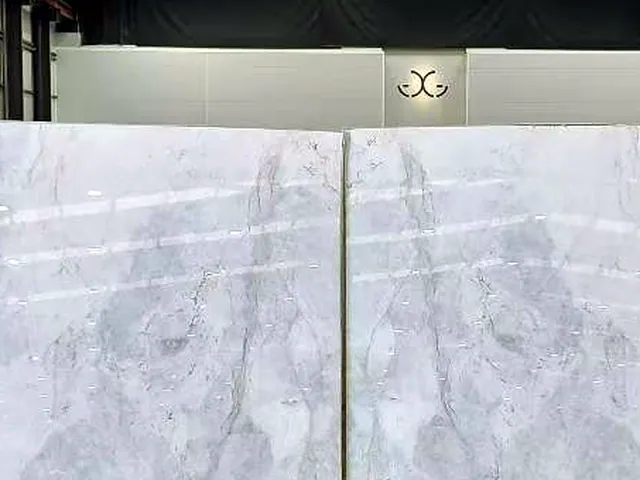
Dessert White
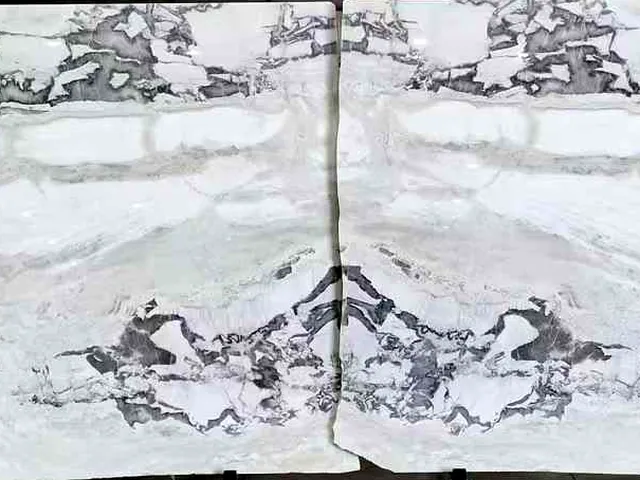
Dover White
Lasa White
Macchia Vecchia
Maragogui
Matarazzo
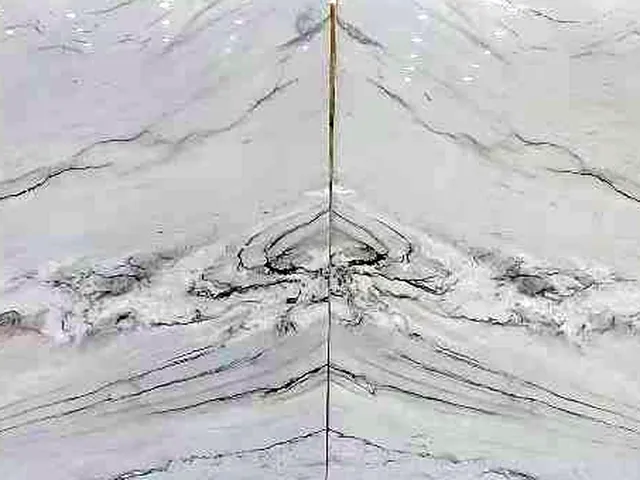
Mont Blanc
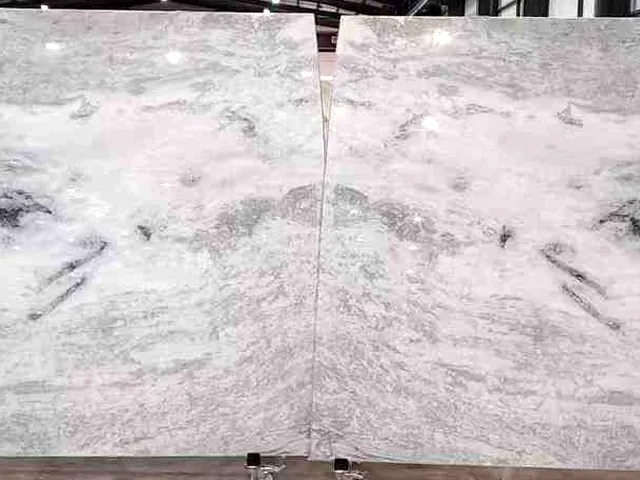
Namibia
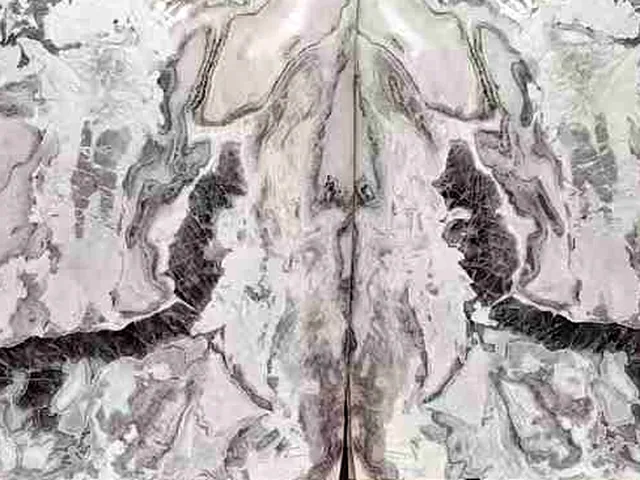
Oyster
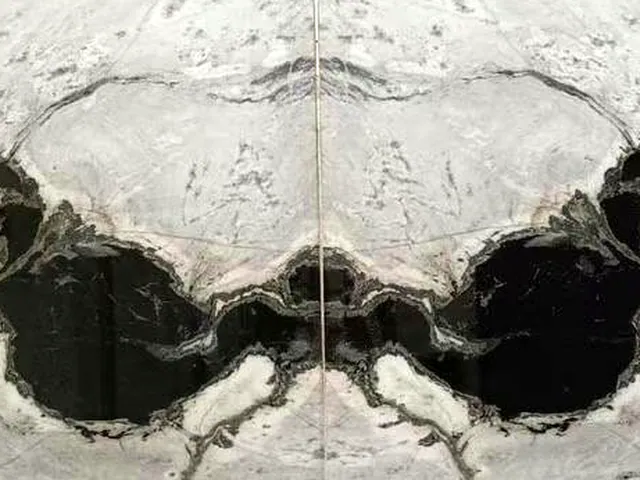
Panda
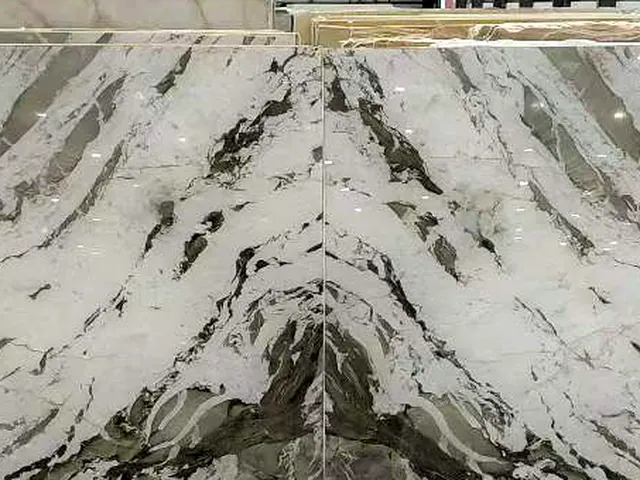
Patagonia Green
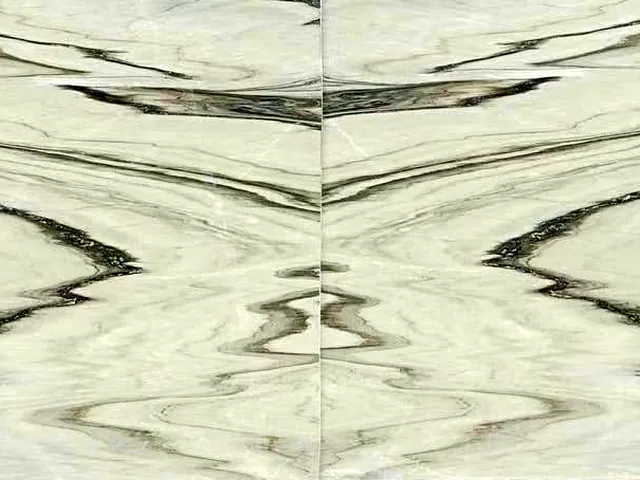
Renoir Blanc

Rhino White
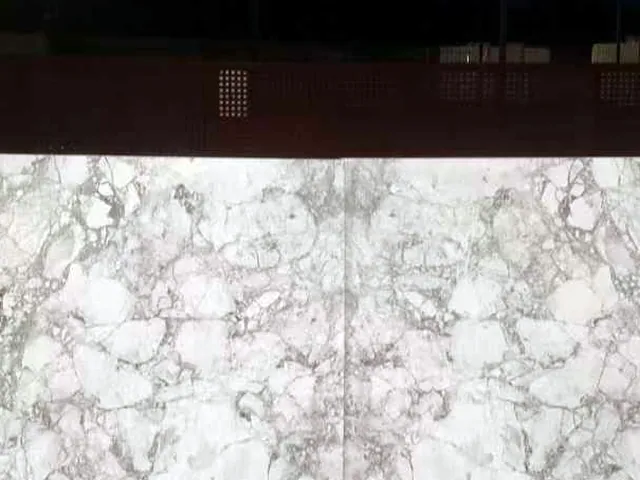
Super White
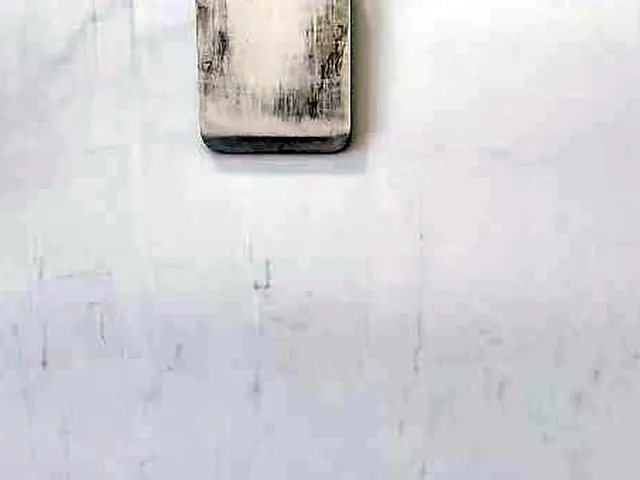
Thassos White

Vietnam White
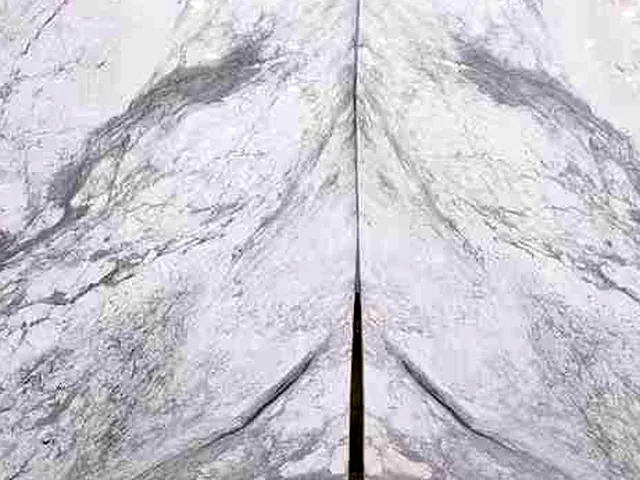
Volakas
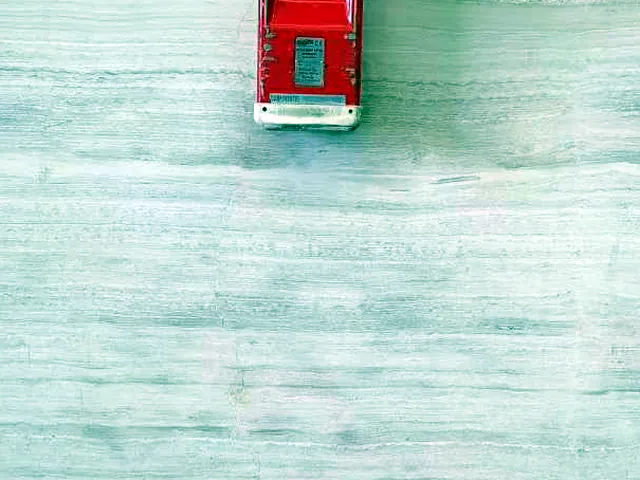
White Serpeggiante
Torn between several whites? Ask us for photos of real slabs of the ones you like and compare them. We ship worldwide.
Have a project in mind?
Ask us for a no-obligation quote: we will reply with an indicative price.