The most expensive marbles and stones in the world (and why)
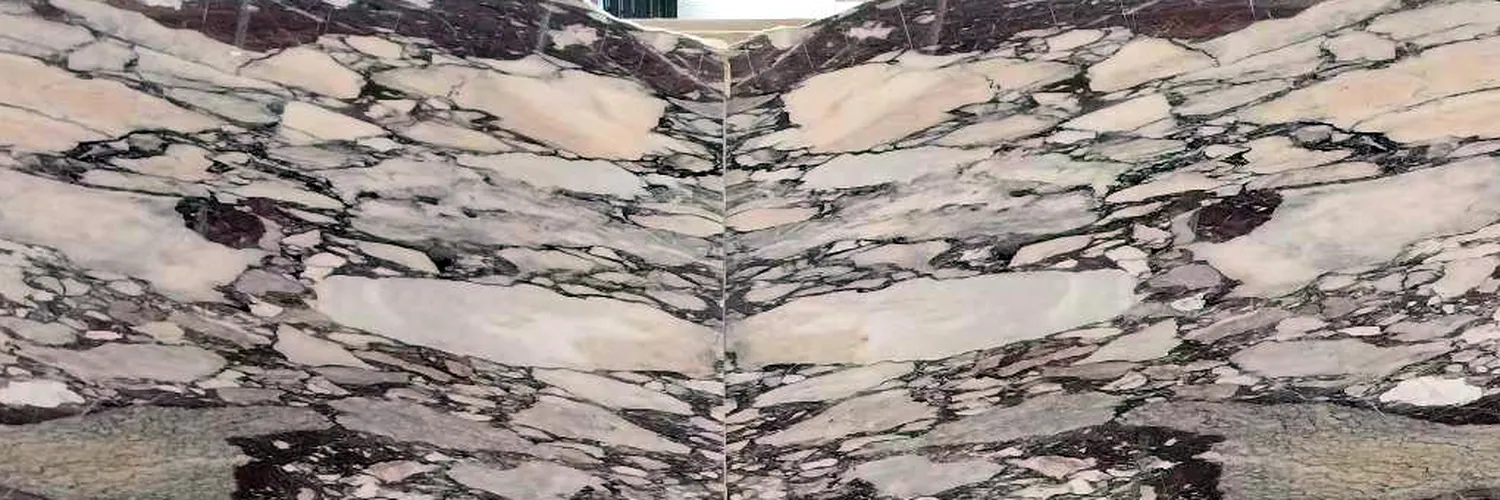
There is no official list of "the most expensive marble in the world": prices change with every slab and with the market. But some stones are always at the top. Here are the ones that are, with photos of real slabs, and above all why they cost what they do.
What makes a stone expensive
- Rarity. Few quarries, or quarries that yield little good material. What the mountain gives is all there is.
- Block yield. If a block produces few defect-free slabs, each good slab is worth more.
- Slab size. Large, whole slabs are scarce in fragile or heavily veined stones.
- Colour and veining. A very white ground, an intense colour or dramatic veining command a premium.
- Demand. Stones that are fashionable in interior design rise with it.
- Processing. Resin-backed slabs, semi-precious slabs assembled piece by piece and bookmatched sets all take more work.
Stones that usually sit at the top
Italian white marbles: Calacatta and Statuario
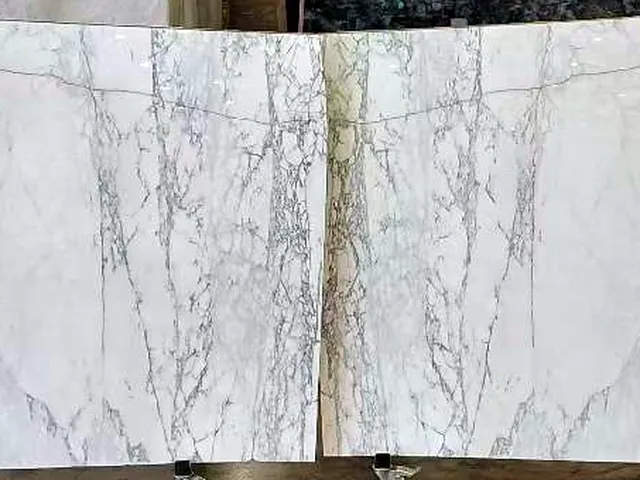
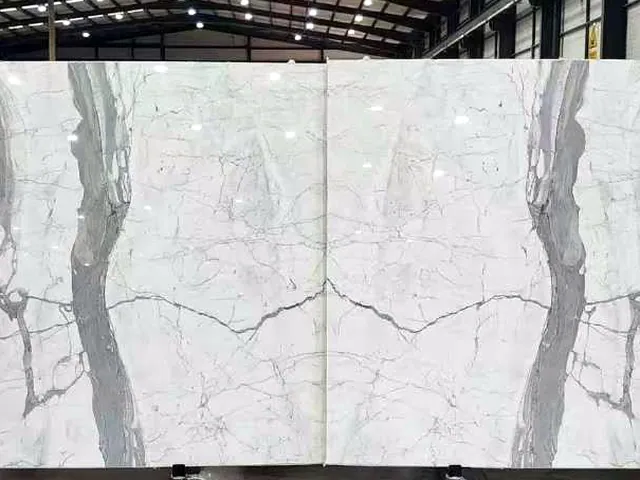
The benchmark of luxury. They come from a handful of quarries around Carrara, and slabs with a very white ground and beautiful veining are scarce. See Calacatta and Statuario, plus our guide to Calacatta marble price.
Coloured Calacatta: Calacatta Viola
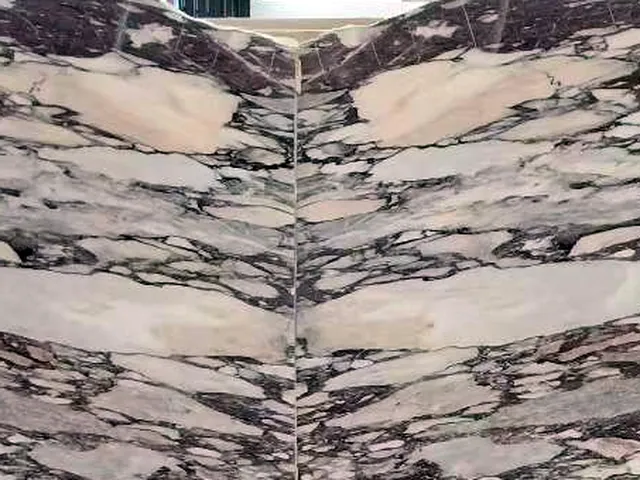
Calacatta Viola, with burgundy and violet veining on white, has been one of the most sought-after stones of recent years. Every slab is unique and output is small.
Black and gold marble: Portoro
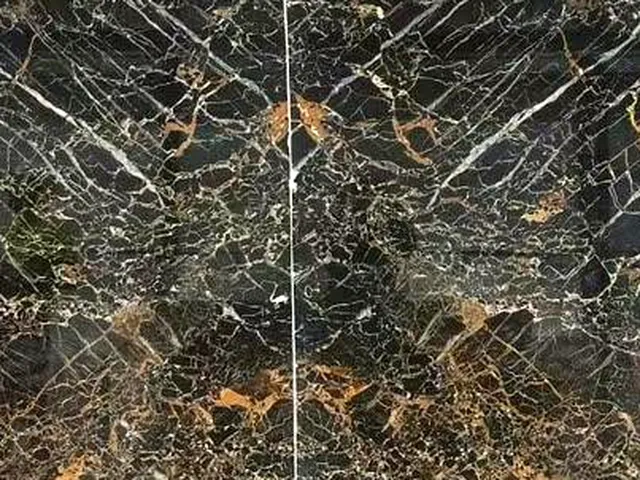
Portoro is a black marble with gold veins from the Gulf of La Spezia in Italy. A small area, limited output and small slabs: a luxury classic for centuries.
Crystal quartzites: Patagonia and family
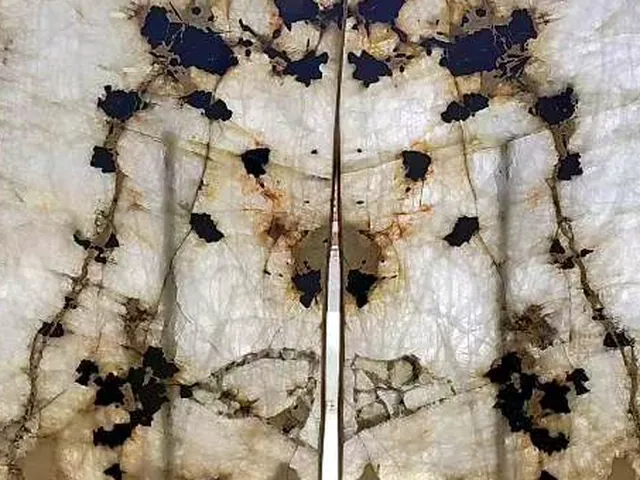
Quartzites with translucent crystal zones, such as Brazil's Patagonia or Crystallo Blue, combine rarity, a spectacular pattern and the option to backlight them. More in quartzite price.
Onyx
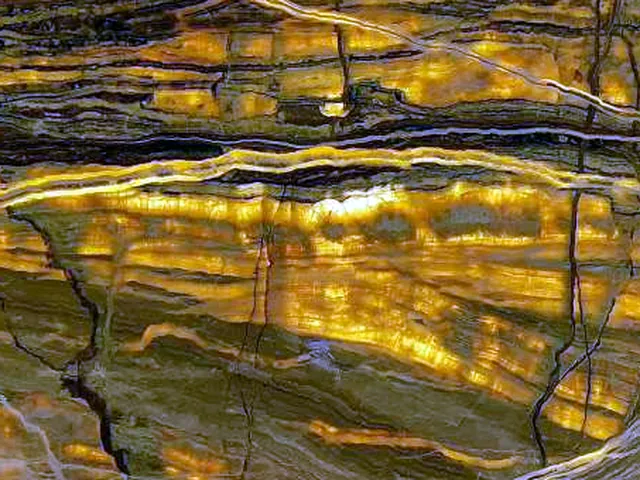
Translucent, brittle and with low yield per block, it is almost always resin-backed. Onyx with clean banding and good light transmission sits at the top end. See the types of onyx.
Semi-precious stones
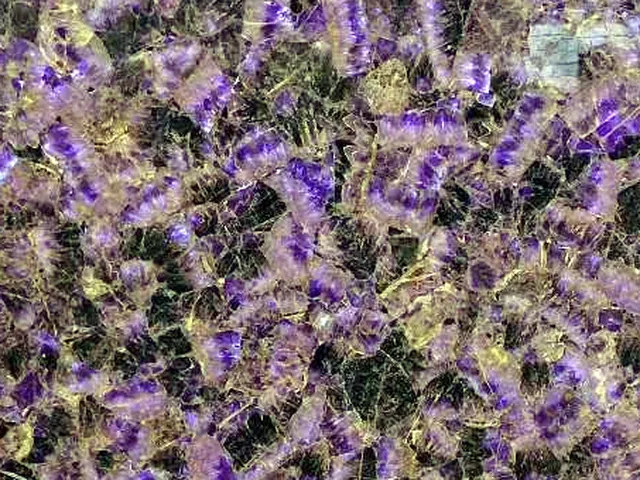
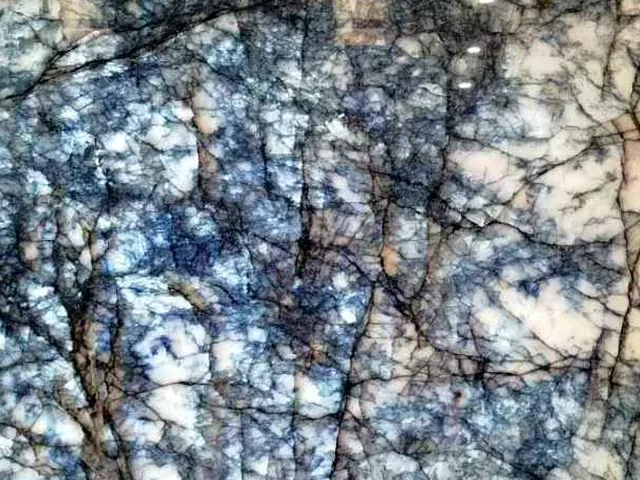
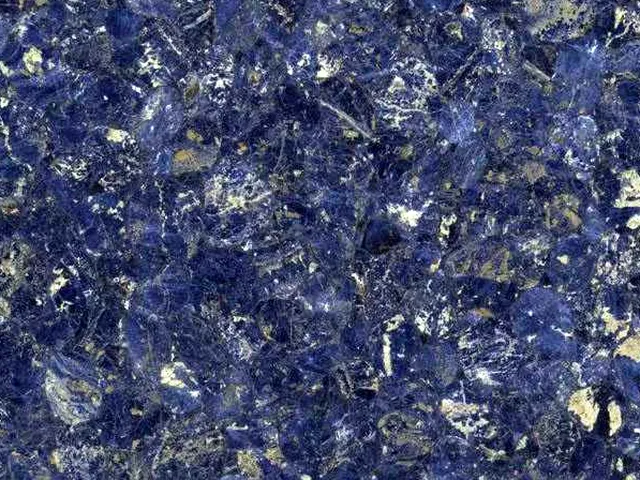
Amethyst, sodalite, amazonite or blue calcite slabs are assembled from pieces of the stone bonded with resin onto a backing. It is craft work, and the raw material is already costly. Think jewellery at wall scale. See Amethyst or Sodalite.
Is a top-end stone worth it?
It depends on where it goes. On a bookmatched wall, an island or a main bathroom, the stone is the star and every penny shows. On a large floor or a hard-working countertop, a tougher, less scarce stone may make more sense, saving the exclusive one for a single piece: the island front, a washbasin or the backsplash.
Be wary of very low prices for names like Calacatta, Statuario or Portoro. Sometimes they are a similar stone or an imitation. We explain how to tell in natural stone or imitation.
How to get a price for an exclusive stone
With these stones a price per square metre makes no sense: they are quoted on the actual slab. Tell us the use and rough sizes and we will send you photos of the slabs available with today's price. We can reserve them and ship worldwide.
Have a project in mind?
Ask us for a no-obligation quote: we will reply with an indicative price.