Calacatta marble price: why it costs what it does
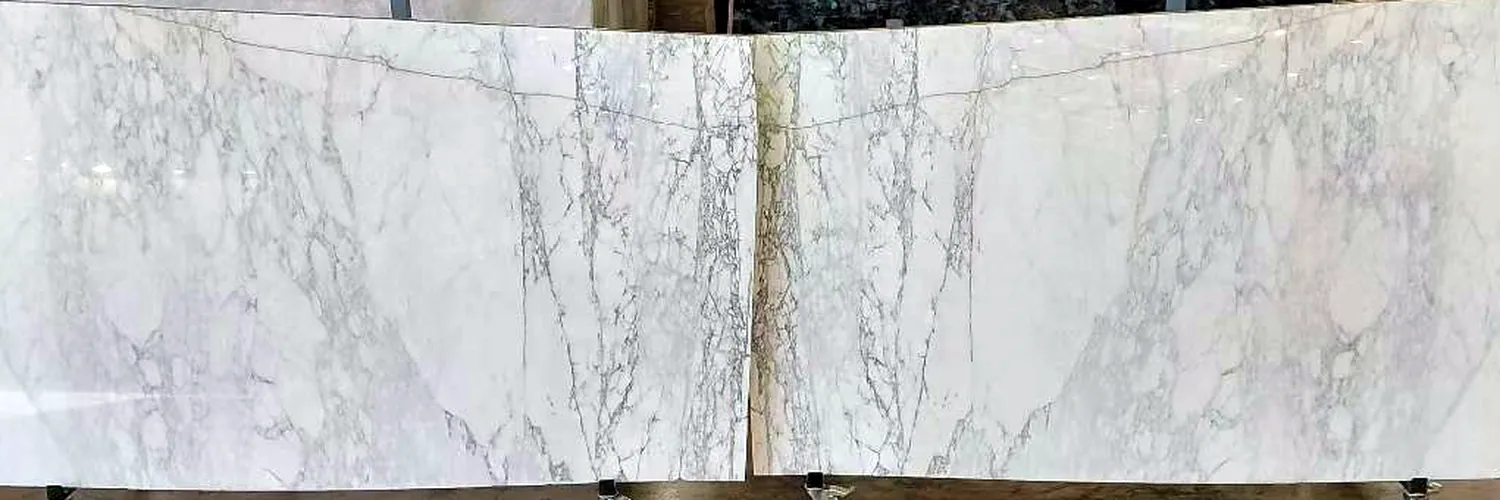
Calacatta sits at the top end of the marble market, and not just because of the name. There are concrete reasons: where it comes from, what it looks like and how many good slabs turn up. Once you know them, you can read a quote properly and tell whether what you are being offered is really Calacatta.
Why we don't give a figure
With Calacatta, more than with any other marble, every slab has its own price. Two slabs from the same block can be worth different amounts depending on where the veining falls. And prices for high-end Italian marble move with demand. That is why we quote on real slabs, not per square metre (or square foot).
What makes Calacatta expensive
Very few quarries
Calacatta comes from the Apuan Alps, around Carrara in Tuscany, Italy. Those mountains are full of quarries, but only a few yield Calacatta, and in small quantities. It is not a stone that can be produced in greater volume because the market wants it: what the mountain gives is what there is.
The white background and the veining
What you pay for is the look: a bright white background and bold, thick veining in grey or with gold tones that really stands out. The whiter and cleaner the background, and the more beautiful and balanced the veining, the more the slab is worth. A background with patches, a yellowish cast or poorly distributed veining brings the price down.
Slab selection
Not everything that comes out of a Calacatta quarry is first grade. Slabs are sorted by background, veining and defects (fissures, spots, stains). First-selection slabs are few and sell first. Lower selections are more affordable and can be perfect for smaller pieces or areas that are less on show.
Size and consecutive slabs
An island or a wall with no seams needs large slabs. And if you want to book-match the veining (book-matching), you need consecutive slabs from the same block, sold together. With Calacatta, book-matching is one of the main reasons people choose the stone, and also one of the things that pushes the quote up.
The variety
"Calacatta" is a family, not a single stone. Calacatta Oro, with gold tones, is among the most sought after. Borghini has very wide, high-contrast grey veins. Calacatta Viola swaps the grey for burgundy and violet. Calacatta Vagli has dense, crystalline grey veining. Each variety has its own supply and its own price. We cover them in types of Calacatta.
Thickness, fabrication and shipping
As with any marble, a thicker slab means more stone; edges, mitres and cut-outs add workshop time; and slabs travel crated and are heavy. The factors behind a complete kitchen countertop (worktop) are in marble countertop prices.
Calacatta vs Carrara: why the gap
Both come from the same mountains, but Carrara is quarried in far greater quantities and looks greyer and more uniform. Calacatta is scarcer and whiter, with veining you can see from across the room. That is why Carrara is the most accessible Italian white marble and Calacatta sits well above it. If you love the look but not the budget, Carrara or Arabescato can be an alternative. We help you tell them apart in Carrara vs Calacatta.
How to spot an imitation
The name "Calacatta" is used on countless porcelain, quartz and sintered surfaces. They are not marble. A few clues:
- The edge: in marble the veining runs through the full thickness. On porcelain the pattern is usually only on the surface.
- Repetition: a printed pattern repeats every few pieces. No two natural slabs are alike.
- Depth: up close, marble has crystals and veining with depth; an imitation looks flat.
- The wording on the quote: ask for it to say "natural marble" and the exact variety.
Some quartzites look like Calacatta, such as Calacatta Da Vinci: they are natural stone, but not marble. More clues in natural stone or imitation.
How to ask for a quote
- Tell us the use: countertop, island, bathroom, wall or floor.
- Send measurements or a drawing, even a rough one.
- Say whether you want book-matching or consecutive slabs.
- Name the variety if you know it, or describe the look: whiter, more veining, grey or gold.
- Ask for photos and videos of the actual slabs before you decide.
Calacatta and similar stones in our catalogue
All photos show real slabs:
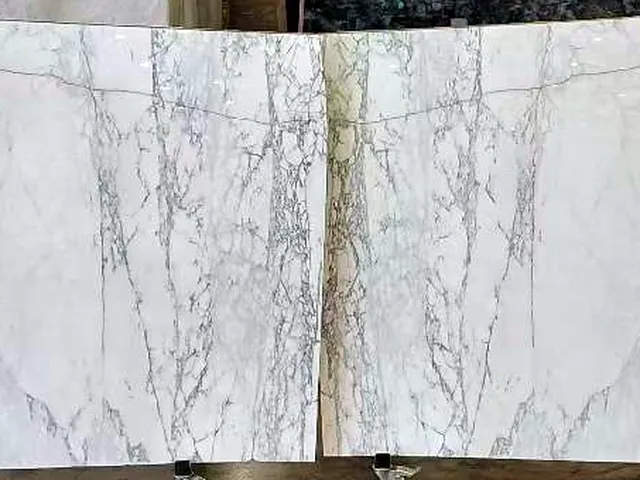
Calacatta
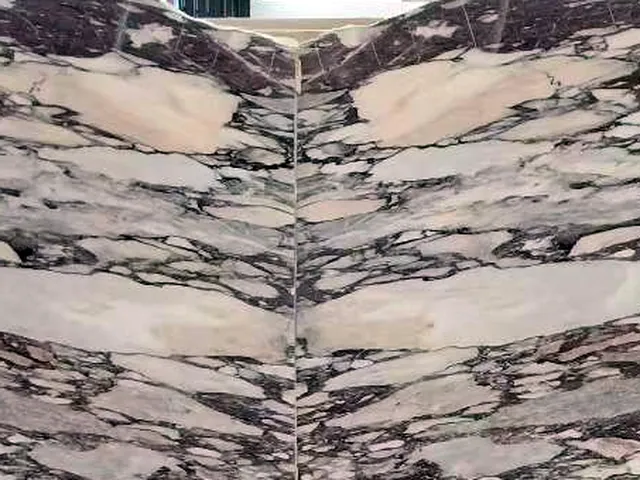
Calacatta Viola
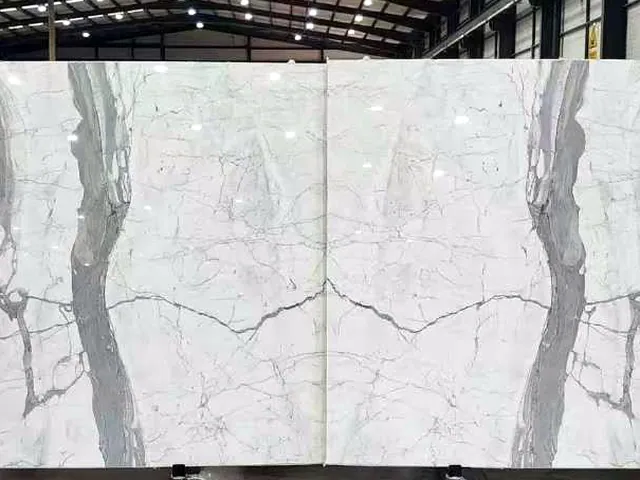
Statuario
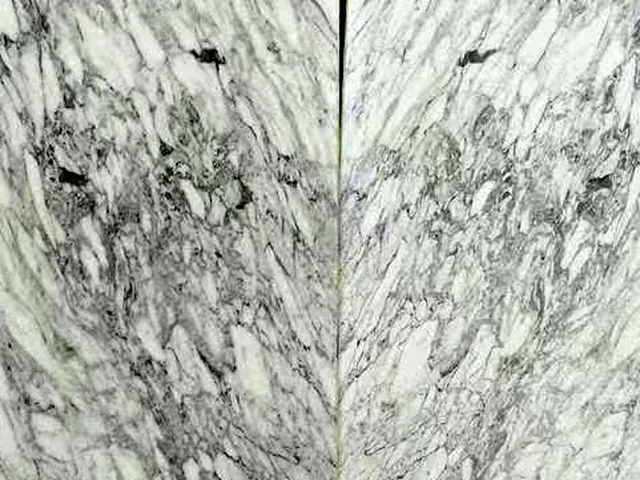
Arabescato
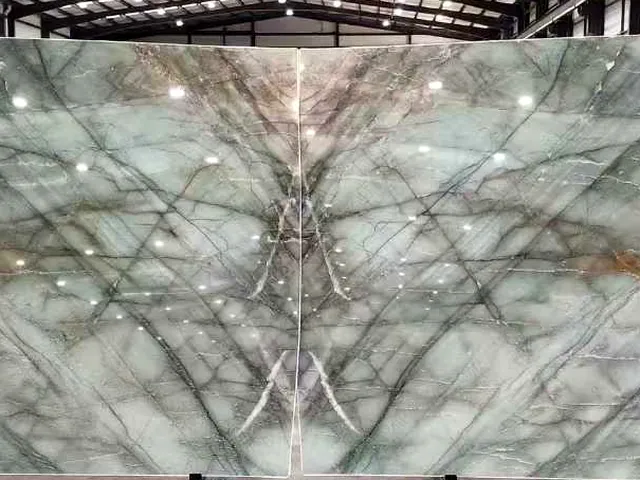
Calacatta Da Vinci
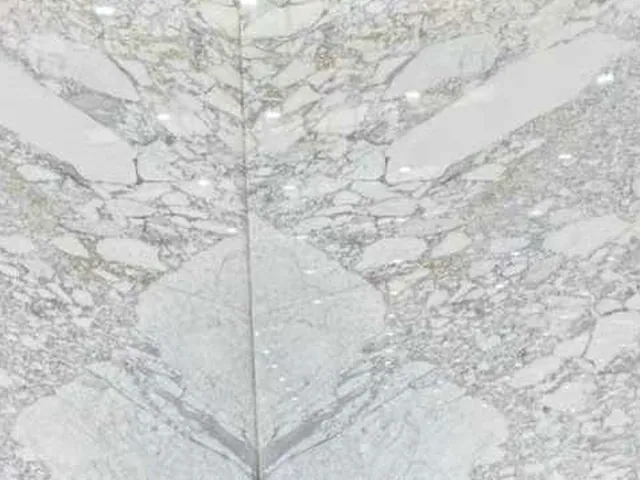
Calacatta Vagli
Looking for Calacatta for your project? Ask us for a quote and we will send photos of the slabs available. We can reserve them, and we ship worldwide.
Have a project in mind?
Ask us for a no-obligation quote: we will reply with an indicative price.