Calacatta Vagli Marble
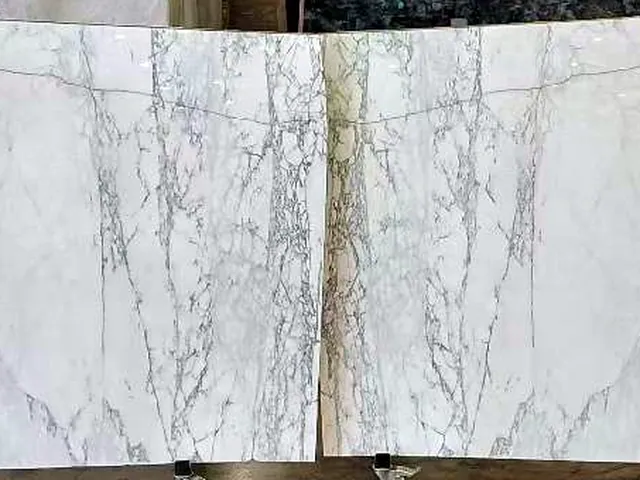
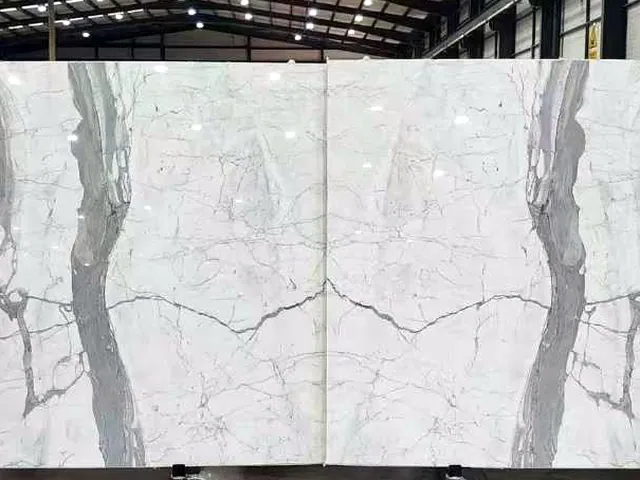
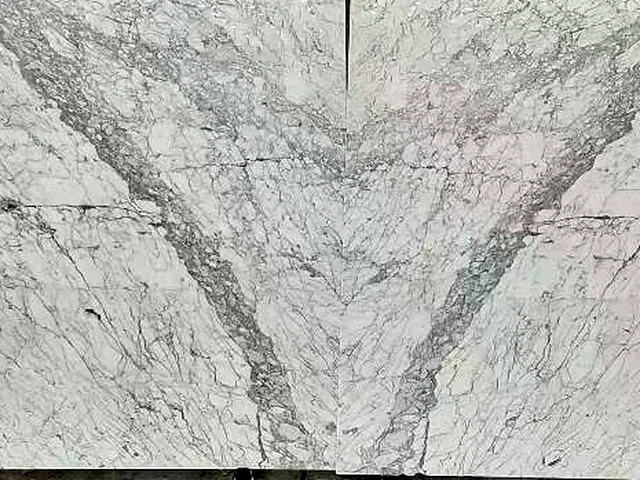
Calacatta Vagli is an Italian marble from the Vagli area in the Apuan Alps, with a white background and dense, crystalline grey veining. Book-matched, it forms large symmetrical patterns.
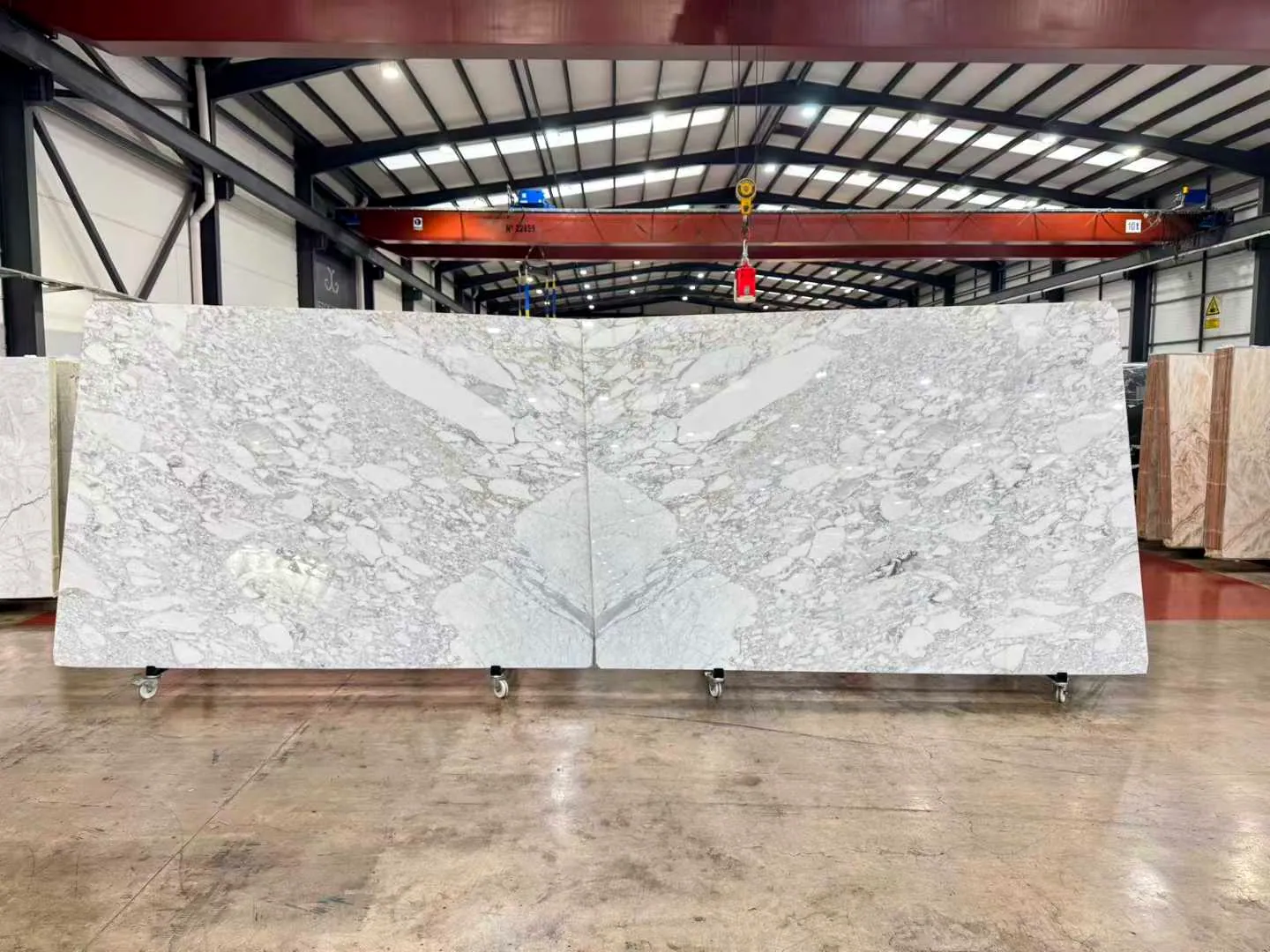
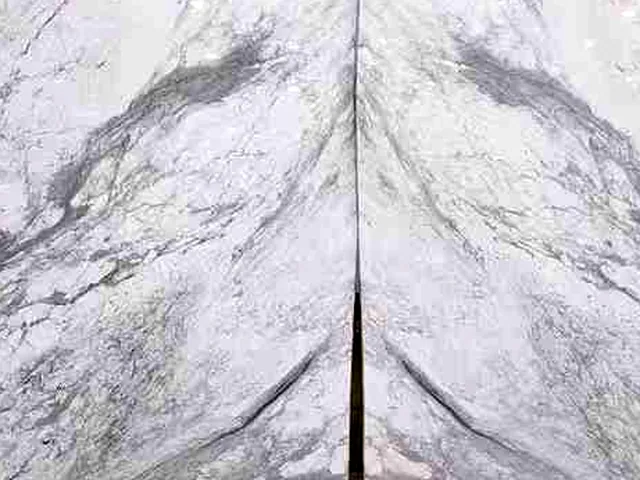
Reference image of a real slab. We confirm the batch, dimensions and availability before your order. Download the photo (for your moodboard)
- TypeMarble
- ColourWhite
- OriginItaly
- FinishesPolished
- PriceDepends on material, batch, format, quantity and destination
- AvailabilityAsk us about slabs in stock
- ShippingWorldwide
- Sold asWhole slab (your fabricator cuts it)
- See it in personWarehouse in Llanera de Ranes (Valencia), by appointment via email
About this marble
Properties
A metamorphic rock made mostly of calcite. Luminous, with unique veining and easy to re-polish. Hardness 3–4 on the Mohs scale.
Recommended uses
Bathrooms, floors, stairs, cladding, fireplaces, tables. In kitchens, if you are happy for it to develop a patina.
Care
Sensitive to acids (lemon, vinegar) and slightly porous: it should be sealed and cleaned with pH-neutral soap.
What Calacatta Vagli looks like
Calacatta Vagli comes from the Vagli area in the Apuan Alps (Tuscany) and combines the white background of the Calacatta family with dense, crystalline grey veining. Unlike classic Calacatta, where the veins are sparse and large, here the veining covers more of the surface and forms a richly patterned network.
Its great strength is book-matching: opened like a book, the slabs form large symmetrical patterns. When choosing:
- Pick consecutive slabs from the same block. That is what makes the mirror pattern possible (see what is book-matching).
- Look at the full slab and think about where the line of symmetry will fall on the wall or island.
- Draw up a slab layout plan before cutting. We cover it in large-format slabs and slab layout.
Where it works best
On large book-matched walls: behind a bed, behind the bath, in an entrance hall or around a fireplace. It also works on islands and waterfall countertops, where the veining carries on down the side. On a hard-working kitchen countertop, expect what you would from any marble: acids etch it and a polished finish shows it. The dense veining hides marks a little better than a plain white, but it does not prevent them; if you cook every day, consider using it on the island or the wall rather than the main prep area.
What to pair it with
- Plain cabinetry in white, grey or light wood: the stone is already the star.
- Metals in steel or matte black to bring out the grey; in brass to warm it up.
- Grazing light or wall washers, which bring out the crystalline veining.
- Not much else: a large book-match needs breathing room.
Similar stones
- Calacatta: sparser, thicker veins, with more white background on show.
- Statuario: a very bright background with dramatic, well-defined grey veins.
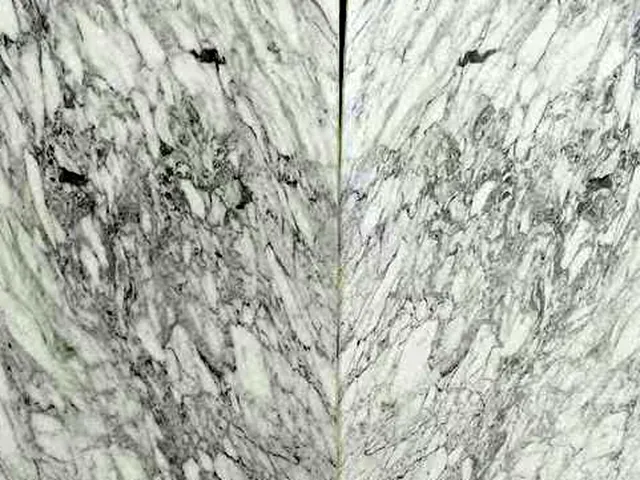
- Arabescato: equally dense grey veining, but diagonal and more restless.
- Calacatta Da Vinci: a quartzite with a pearl-grey background and herringbone veins, if you need more durability.
More on the family in types of Calacatta.
For a book-match you need to see the slabs in sequence: ask us for photos of the Calacatta Vagli slabs available and, if you like them, we will reserve them for you. We ship worldwide.
Related guides: White marble types: names, differences and how to choose · Marble kitchen countertops: pros, cons and how to live with them · How to clean marble (and what never to use) · How to remove stains from marble: coffee, wine, oil, rust and hard water · Marble etching: what it is, why it happens and how to fix it · Do you need to seal marble? When, how often and how to do it · Marble vs quartzite: the real differences for countertops
Interested in Calacatta Vagli?
Add it to your selection with any others you are considering, or ask for a quote now. We will reply with today’s price and the available slabs.
Other stones with a similar appearance
Visual similarity does not imply the same composition, care or applications.