Volakas Marble
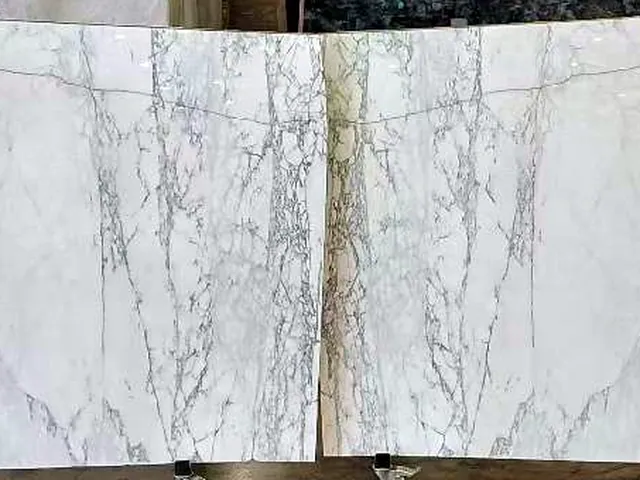
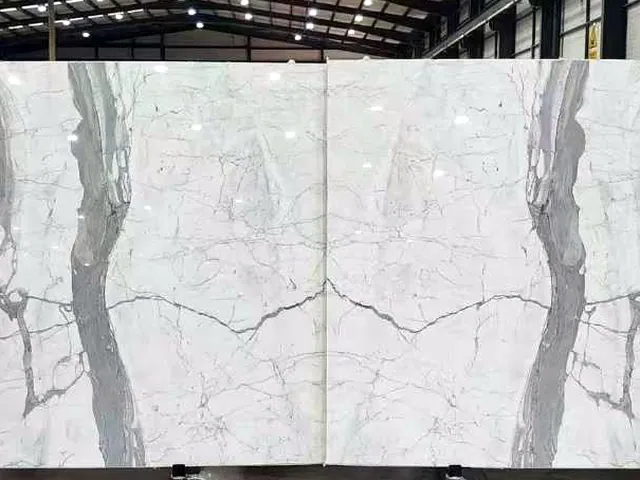
Volakas is a Greek marble with a white background and soft, flowing grey veins. An elegant, bright white for bathrooms and floors. It can be used for countertops if you accept that acids may leave marks and that the surface will develop a patina.
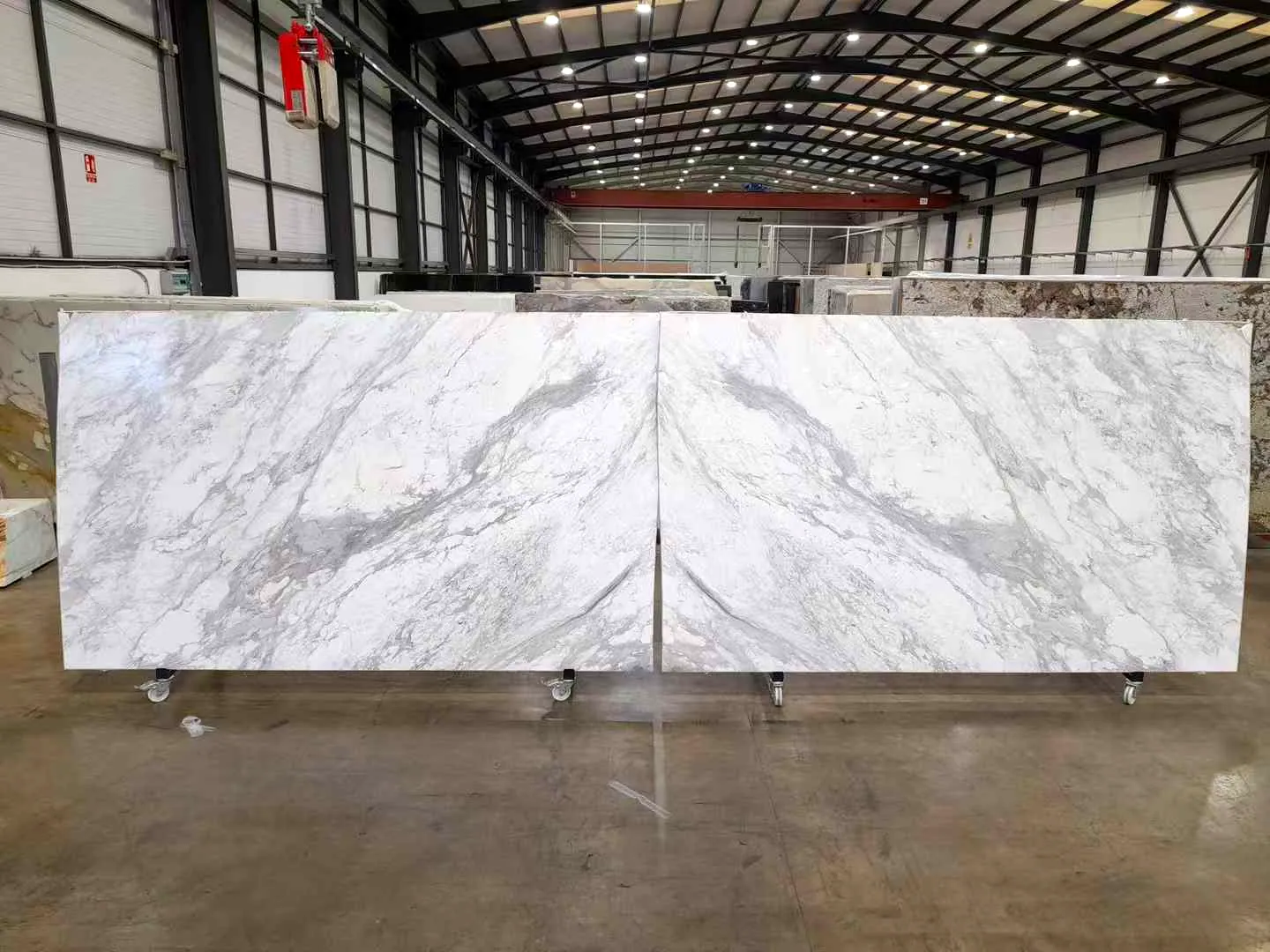
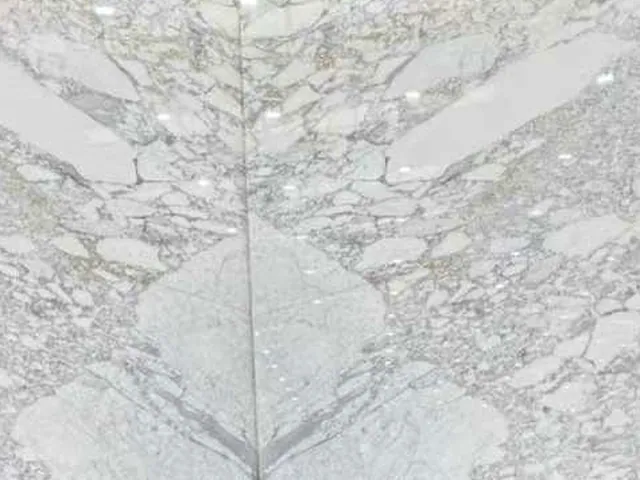
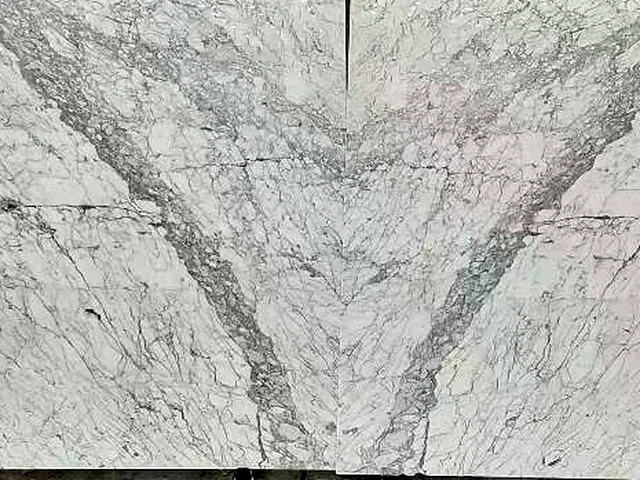
Reference image of a real slab. We confirm the batch, dimensions and availability before your order. Download the photo (for your moodboard)
- TypeMarble
- ColourWhite
- OriginGreece
- FinishesPolished
- PriceDepends on material, batch, format, quantity and destination
- AvailabilityAsk us about slabs in stock
- ShippingWorldwide
- Sold asWhole slab (your fabricator cuts it)
- See it in personWarehouse in Llanera de Ranes (Valencia), by appointment via email
About this marble
Properties
A metamorphic rock made mostly of calcite. Luminous, with unique veining and easy to re-polish. Hardness 3–4 on the Mohs scale.
Recommended uses
Bathrooms, floors, stairs, cladding, fireplaces, tables. In kitchens, if you are happy for it to develop a patina.
Care
Sensitive to acids (lemon, vinegar) and slightly porous: it should be sealed and cleaned with pH-neutral soap.
What Volakas looks like
Volakas is a Greek marble with a bright white background and soft grey veins that drift across the slab rather than cutting through it. It sits halfway between Carrara, which reads greyer overall, and Statuario, which is far more contrasted: whiter than the first and calmer than the second.
The veining varies from slab to slab: in some it is fine and widely spaced; in others the veins are broader and wavier. When choosing:
- Check the background in daylight to make sure the white is even across the slab.
- Watch the direction of the veins if you are joining several pieces, so they flow the same way.
- Ask for slabs from the same block for a whole bathroom or a floor, so tone and veining match.
Where it works best
It is a very easy white to live with in bathrooms: vanity tops, washbasins, walls and floors, where it adds light without overwhelming the space (more ideas in marble in the bathroom). It also works on interior floors, stairs and wall cladding. In the kitchen it behaves like any light marble: beautiful, but lemon and vinegar leave dull etch marks that will show on a busy polished countertop. If you cook every day, think about how you will live with that patina, or look at the tougher alternatives below.
What to pair it with
- Neutral tones: off-white, sand and light grey on walls and cabinetry.
- Light wood and natural fibres (oak, rattan, linen) for a Mediterranean feel.
- Steel, chrome or brushed brass taps: the veining is neutral, so all three suit it.
- A touch of colour in tiles or fabrics (blue, aqua, terracotta), which stands out against the white.
Similar stones
- Carrara: finer veins and a greyer background; very consistent over large areas.
- Statuario: just as white, with bolder, more dramatic veins.
- Thassos White: also Greek, but pure white with almost no veining.
- Mont Blanc: a greyish white with soft veins, sold as quartzite (classification still to be confirmed). Check the slab with the tests in marble vs quartzite.
We compare all the whites in white marble and quartzite.
To see how the veining varies, ask us for photos of the Volakas slabs available and we can reserve the ones you choose. We ship worldwide.
Related guides: White marble types: names, differences and how to choose · Marble kitchen countertops: pros, cons and how to live with them · How to clean marble (and what never to use) · How to remove stains from marble: coffee, wine, oil, rust and hard water · Marble etching: what it is, why it happens and how to fix it · Do you need to seal marble? When, how often and how to do it · Marble vs quartzite: the real differences for countertops
Interested in Volakas?
Add it to your selection with any others you are considering, or ask for a quote now. We will reply with today’s price and the available slabs.
Other stones with a similar appearance
Visual similarity does not imply the same composition, care or applications.