Marble fireplace: choosing the stone and cladding the wall
A marble fireplace is the heart of a living room, even when the fire is out. Before choosing the slab, decide what you are going to clad, which stone behaves best near the fire and how you will deal with soot.
A surround or the whole wall
Surround and mantel
The classic fireplace: two side legs (jambs), a frieze above the opening and a mantel shelf on top. It is made from pieces cut to size, sometimes with mouldings, and is usually finished with a stone hearth in front of the opening to protect the floor from embers.
Full-wall cladding
The contemporary version: large slabs covering the chimney breast, or the whole wall, from floor to ceiling. The stone stops being a frame and becomes the artwork. Here the slab size and the slab layout call the shots. More ideas in interior stone wall cladding.
Can stone handle the heat?
Yes. Natural stone does not burn and copes well with the heat around a domestic fireplace. But it has to be done properly:
- The stone is cladding, not the firebox. The fire itself sits in refractory materials or in a metal firebox. Marble is not meant to be in direct contact with flames.
- Respect the clearances and whatever the manufacturer of the firebox, insert or wood-burning stove specifies, along with local building codes. These override any general advice.
- Let the firebox expand. With inserts and metal fireboxes, a gap is usually left between the metal and the stone so the metal does not push against it as it heats up.
- Keep resin away from the opening. Onyx and semi-precious slabs contain resin, which can yellow or soften with heat. Use them away from the fire.
- Choose the right fixing. The installer picks the adhesive and anchors based on the weight of the panels and the temperature of the wall. For serpentine-type green marbles such as Verde Alpi, reactive adhesives (epoxy or polyurethane) are usually recommended, because water-based or cement-based ones can make them warp.
Book-matching above the fireplace
The most sought-after look: two consecutive slabs from the same block, book-matched, with the axis of symmetry right on the centre line of the fireplace (what is bookmatching). To get it right:
- Reserve consecutive slabs and ask for photos of those exact slabs, not of the stone in general.
- Plan the layout before cutting. Decide where the axis falls, at what height the horizontal joint goes if the wall is taller than the slab, and how the opening is cut out.
- Allow for more waste. Matching the veining uses more material than standard cladding.
- On wide walls, a four-way (quad) match creates a striking central pattern.
Boldly veined stones look best, such as Calacatta Viola, Orobico Grey or Breccia Pontificia. You will find fireplace walls in our ideas.
Classic or contemporary
Classic
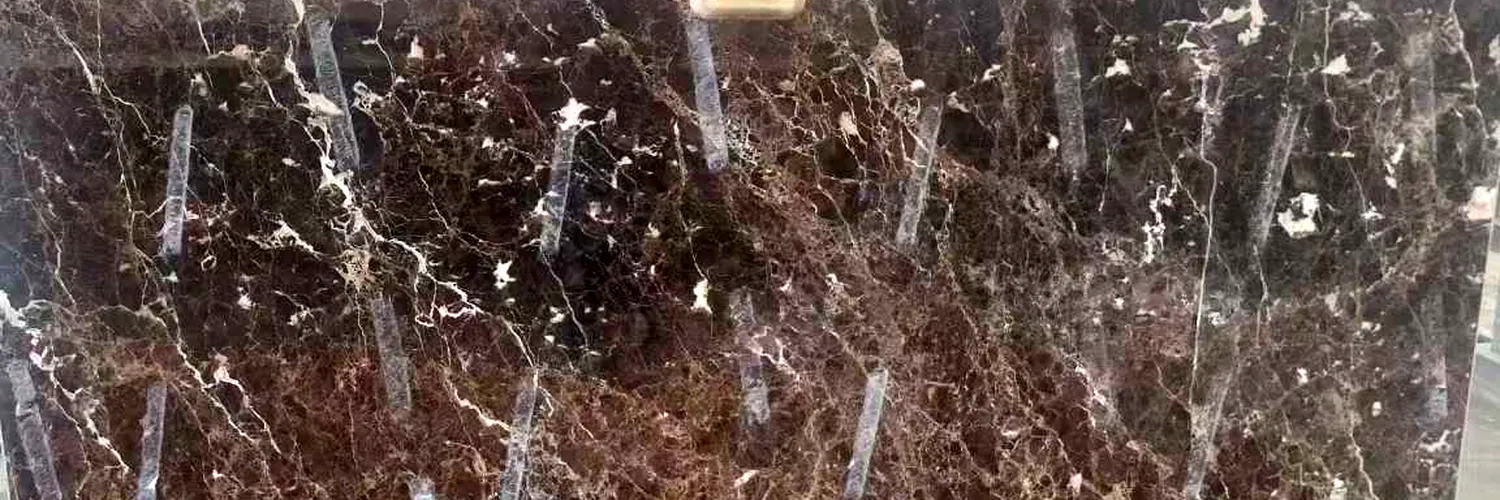
A moulded surround, a mantel and time-honoured marbles. Dark Emperador, chocolate brown with white veins, is a fireplace classic, as are Verde Alpi, Amarillo Siena and Breccia Pontificia. In white, a Statuario.
Contemporary
A full wall, square or mitred edges and a clean opening without mouldings. Blacks and greys work well, such as Nero Marquina or Pietra Grey, as do heavily patterned stones book-matched. A honed or leathered finish gives a calmer, more matt look (finishes).
Soot and cleaning
Soot is a greasy carbon dust. On a light, polished stone around the opening, it shows quickly.
- Start dry: remove the dust with a soft brush or a vacuum. Wetting it first spreads the stain.
- Then use warm water and a pH-neutral soap with a soft cloth, and dry well.
- If a shadow remains, a poultice will usually lift it (how to remove stains from marble).
- Never use acids or descalers, or fireplace cleaners unless they are suitable for natural stone: they can etch marble.
To prevent it, seal the stone with an impregnator that repels water and oil (do you need to seal marble?), burn dry, seasoned wood and check the draw: a fireplace that smokes back into the room blackens the front. A firebox with a glass door also helps. Dark stones and matt finishes hide soot better.
Stones for fireplaces in our catalogue
Every photo shows a real slab in our warehouse:
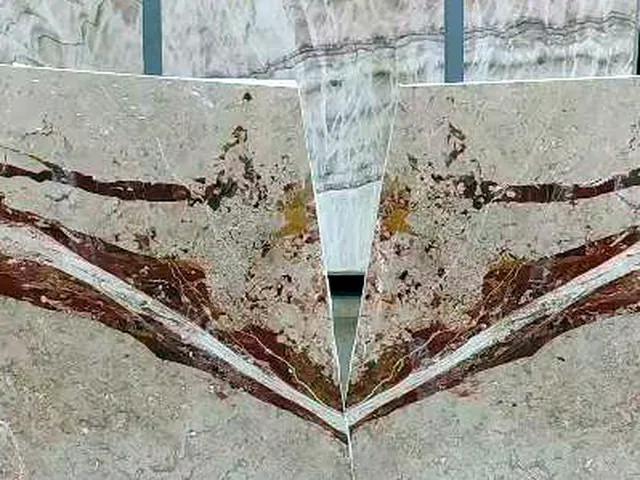
Breccia Pontificia
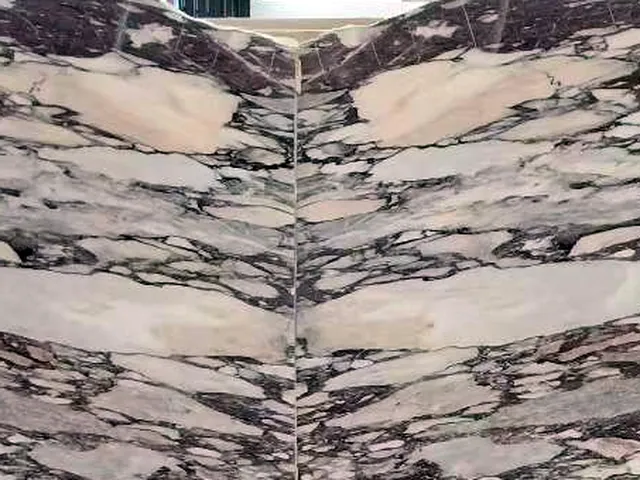
Calacatta Viola
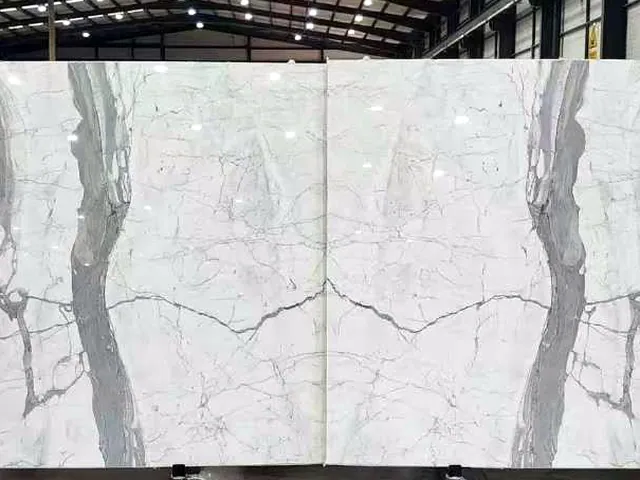
Statuario
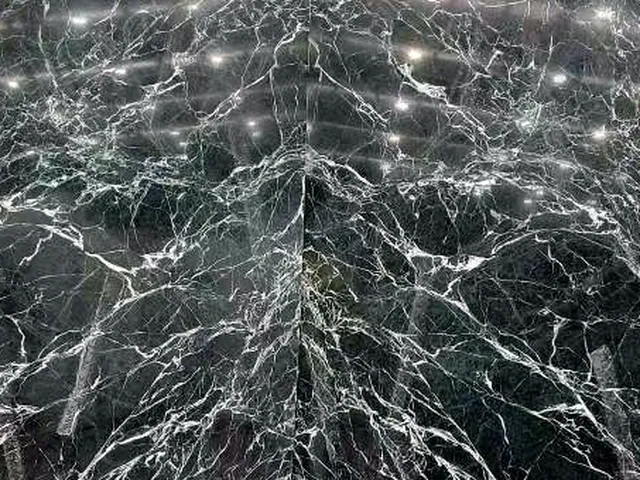
Verde Alpi
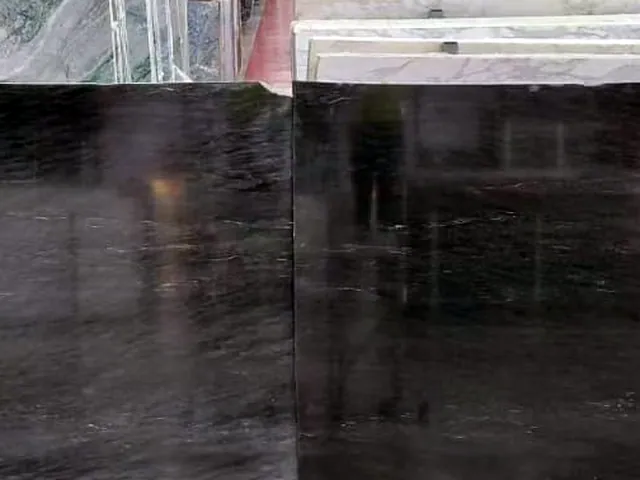
Abyss Black

Black Mirage
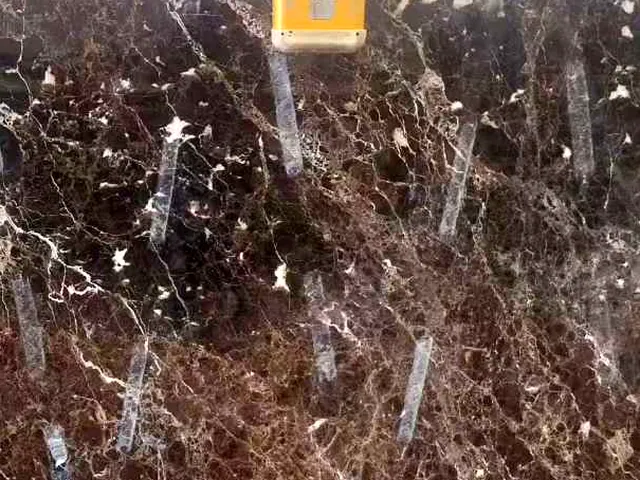
Dark Emperador
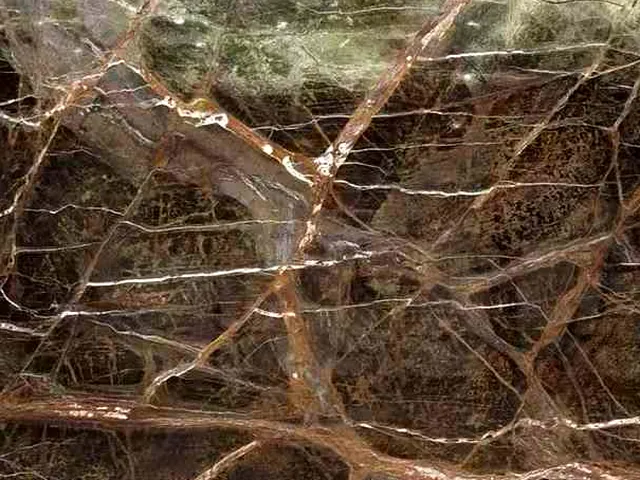
Forest Green
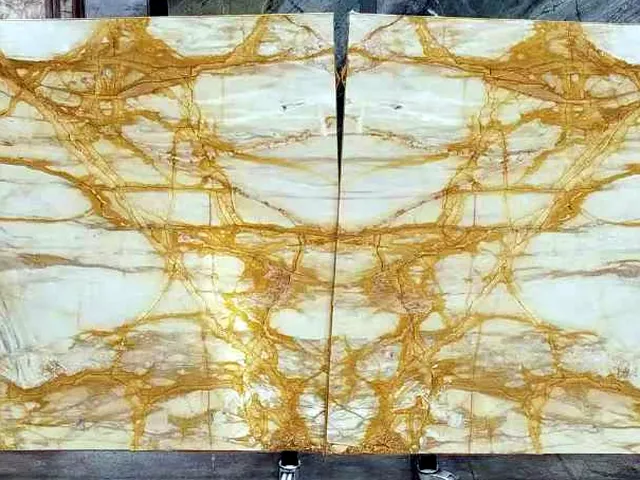
Giallo Siena
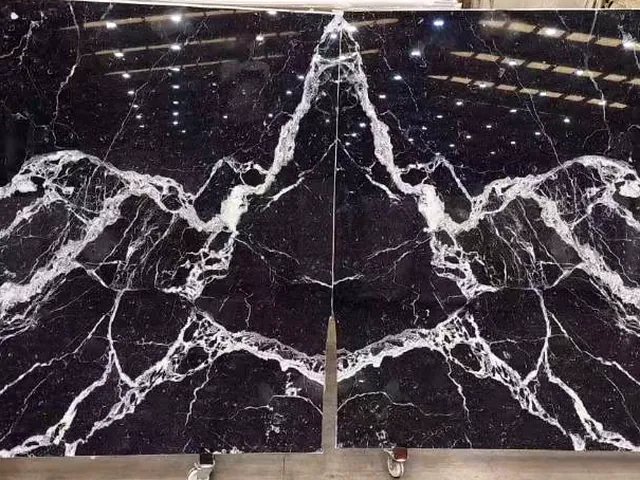
Nero Marquina
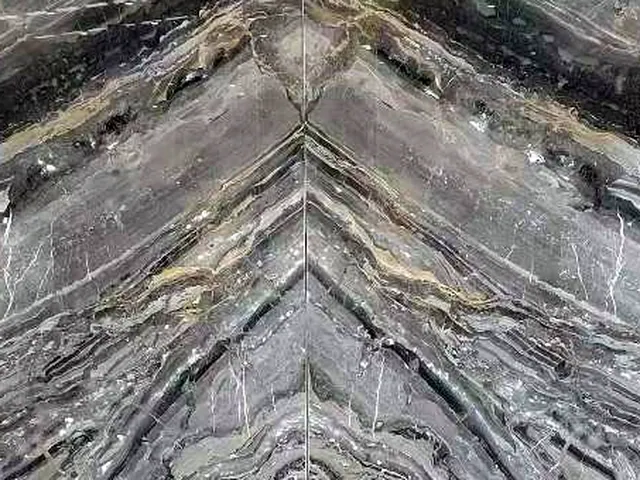
Orobico Grey
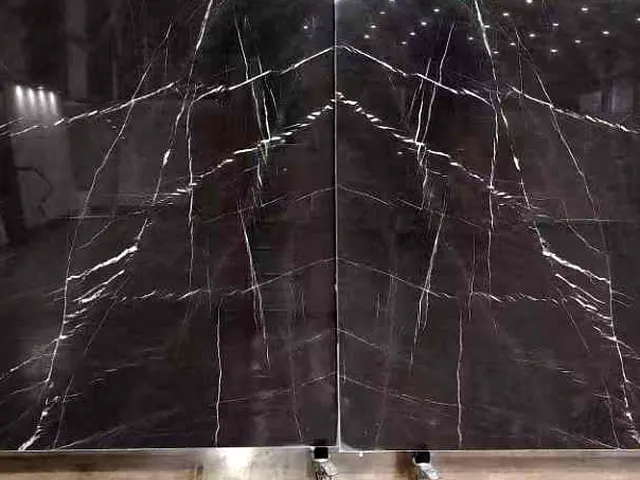
Pietra Grey
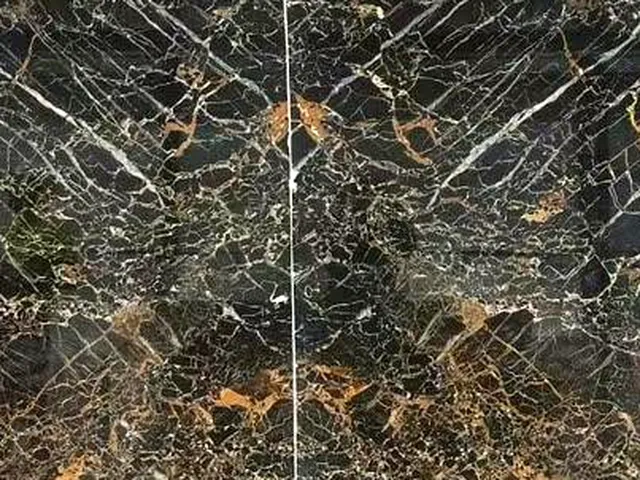
Portoro
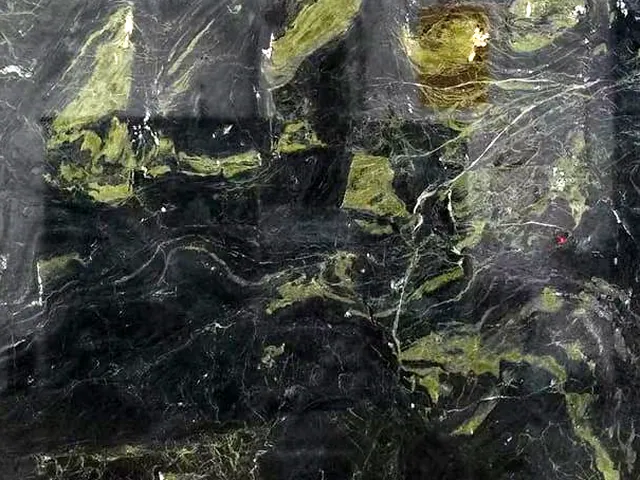
Verde Esperanza
Do you have the measurements of the wall or the opening? Send us the drawing and we will send you photos and videos of the available slabs. We can reserve them for your project, cut the pieces to size and ship them worldwide.
Have a project in mind?
Ask us for a no-obligation quote: we will reply with an indicative price.