Marble stairs: treads, finishes, safety and cost
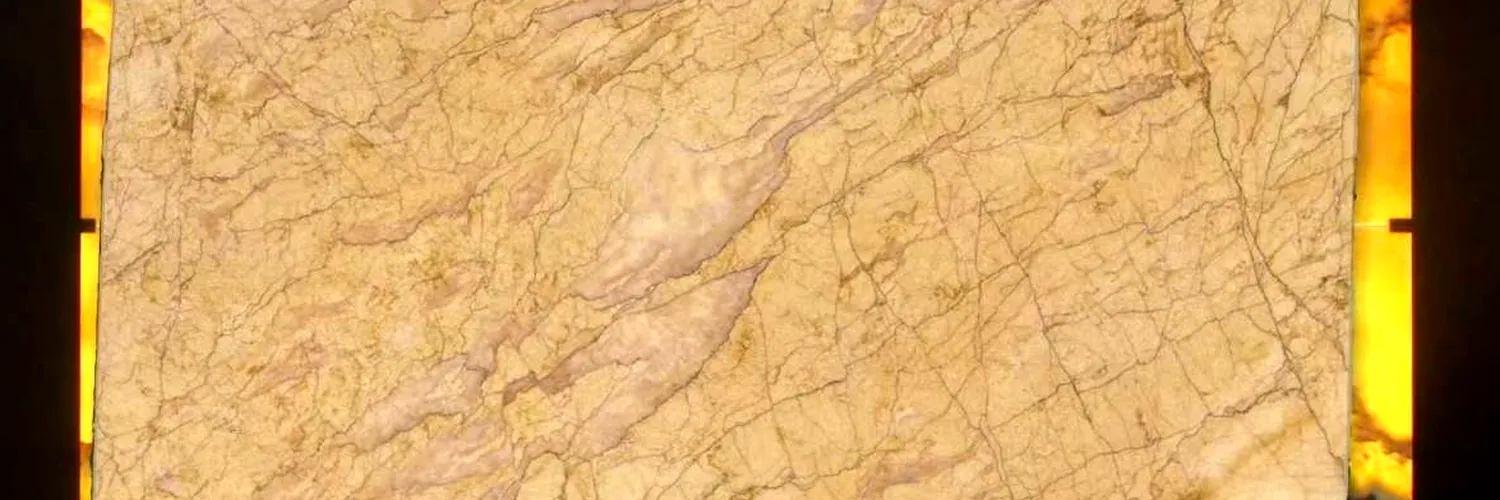
Marble stairs last for decades and lift any entrance. But stairs are one of the places where choosing the right stone and finish matters most, because they take heavy traffic and can be slippery. Here are the parts of a stone staircase, which stone and finish to choose, and what drives the cost.
The parts of a stone staircase
- Tread: the horizontal piece you step on. It takes the most wear.
- Riser: the vertical piece between treads. It can be the same stone or a different one.
- Skirting or stringer: the piece that follows the stairs along the wall.
- Landings: large pieces, often cut from a whole slab.
Treads are usually thicker than floor tiles, and the front edge (the nosing you see as you climb) is profiled: square, rounded or bullnosed. Some projects add anti-slip grooves near the edge.
Which stone to choose
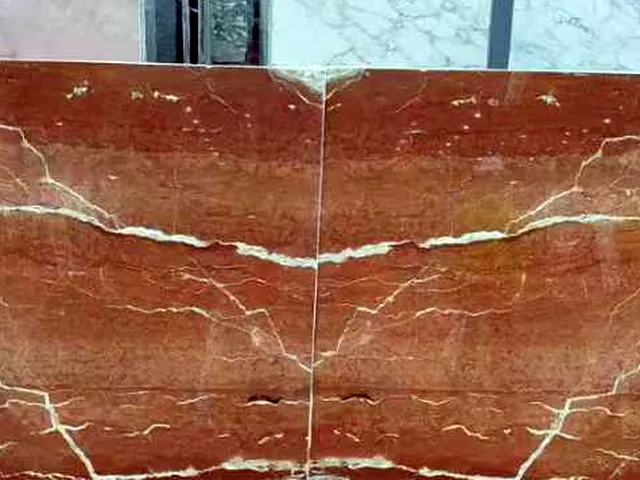
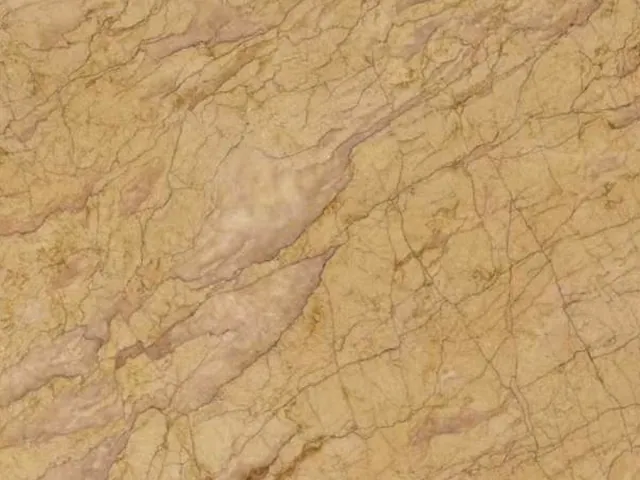
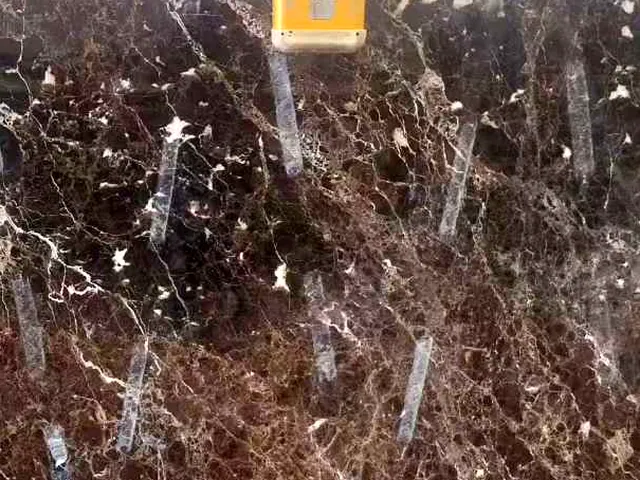
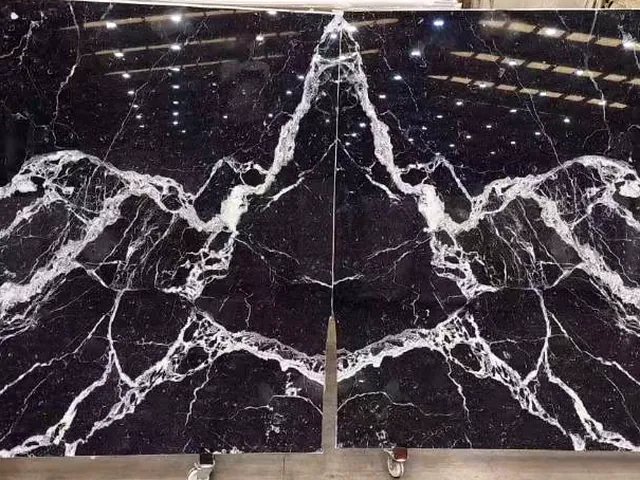
- Classic staircase marbles such as Crema Valencia, Rojo Alicante or Dark Emperador have been used on stairs in homes and lobbies for decades.
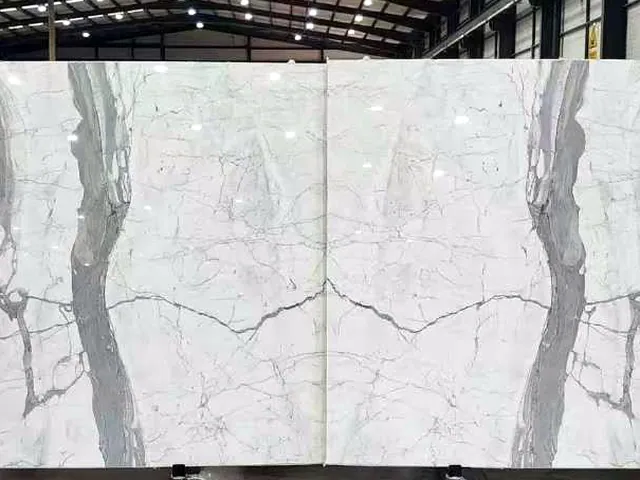
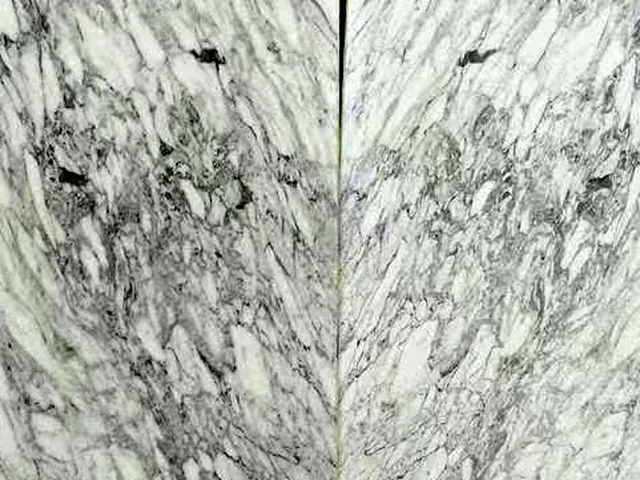
- White marbles for statement staircases: stunning, but on a busy staircase wear shows sooner.
- Quartzites and granites for heavy-use or outdoor stairs, as they resist wear better.
Safety: the finish matters
Polished marble is beautiful but it is the most slippery finish, especially when wet. Slip-resistance rules vary by country. In the UK, the pendulum test value (PTV) is the usual reference, with 36 or more meaning low slip risk. In the US, tiles are rated by DCOF (ANSI A326.3), with 0.42 as the usual minimum for level interior floors that may get wet. Spain's building code asks for higher classes on stairs than on flat floors, and higher still in wet or outdoor areas.
A honed finish helps a little; bush-hammered, sandblasted or tumbled finishes help a lot. The real value depends on each stone and is measured by testing. More in natural stone slip resistance and natural stone finishes.
What drives the cost
We do not quote per step because it varies so much from one staircase to another. The main factors:
- The stone. A classic Spanish marble does not cost the same as an Italian white.
- The number and size of pieces, and whether landings are one piece.
- Tread thickness and nosing profile.
- The finish and any anti-slip grooves.
- Special pieces: curved or winder treads and made-to-measure stringers.
- Shipping to site.
How to get a quote
Send us the drawing or a sketch with the number of steps, width, tread depth, riser height and any landings. We will suggest the right stone and finish, and send you photos of the slabs available with today's price. Get a quote for your staircase; we ship worldwide. Architects and contractors can also see our trade page.
Have a project in mind?
Ask us for a no-obligation quote: we will reply with an indicative price.