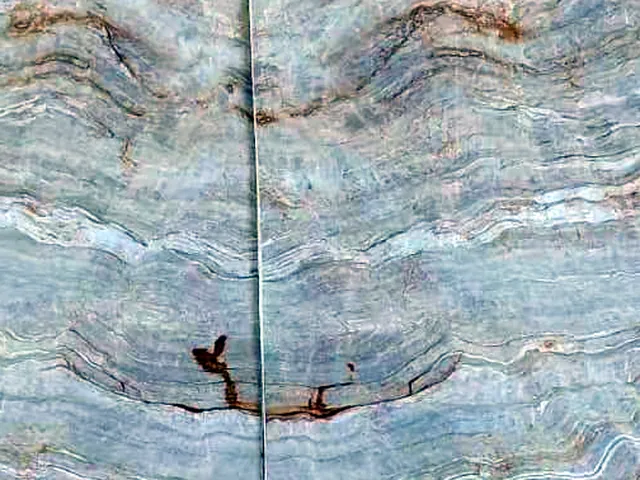
Crema Valencia Marble
Crema Valencia is a Spanish marble with a golden-cream background and a network of fine brown veins. Warm and versatile, it is used for floors, bathrooms, stairs and cladding.
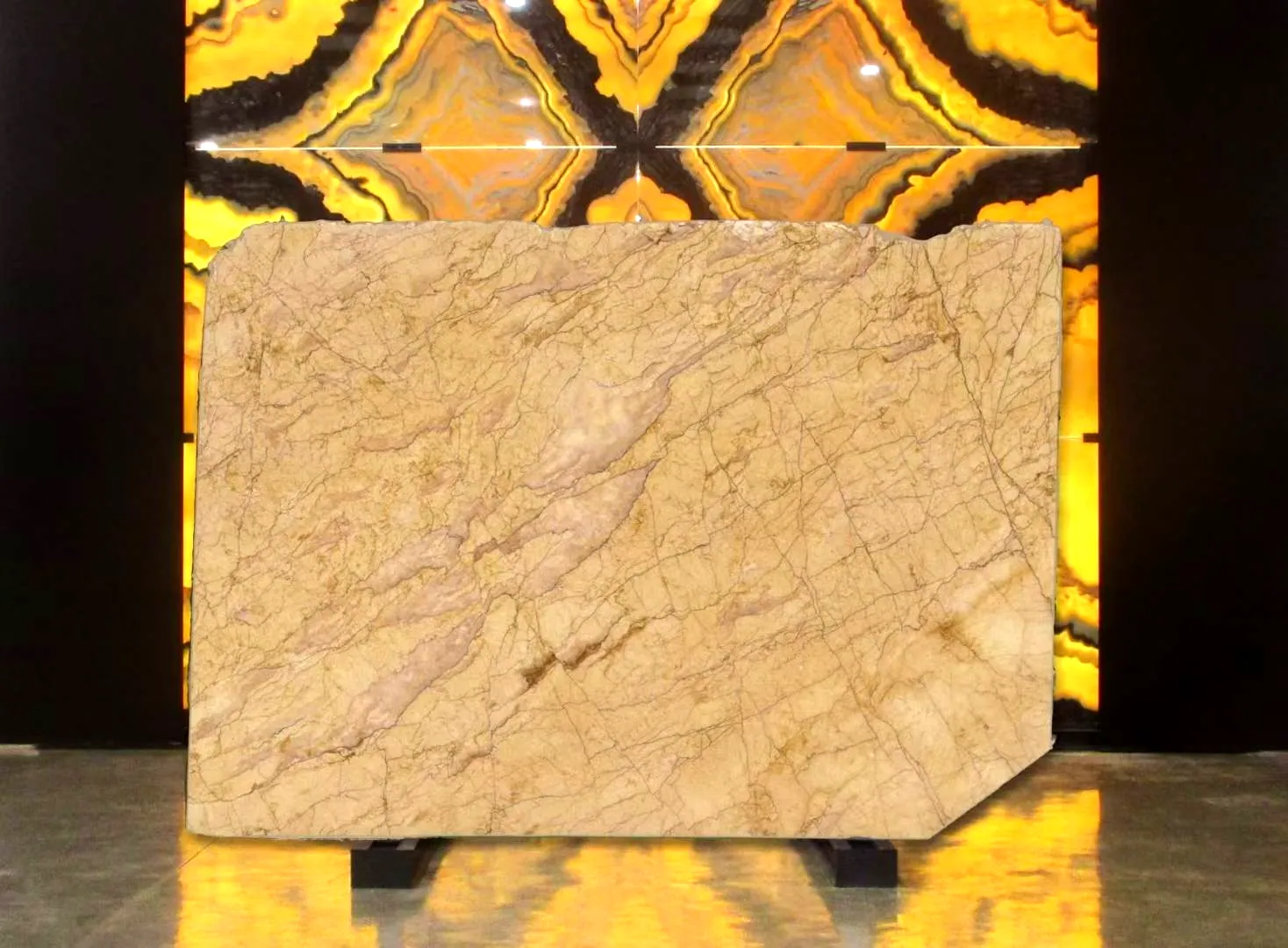
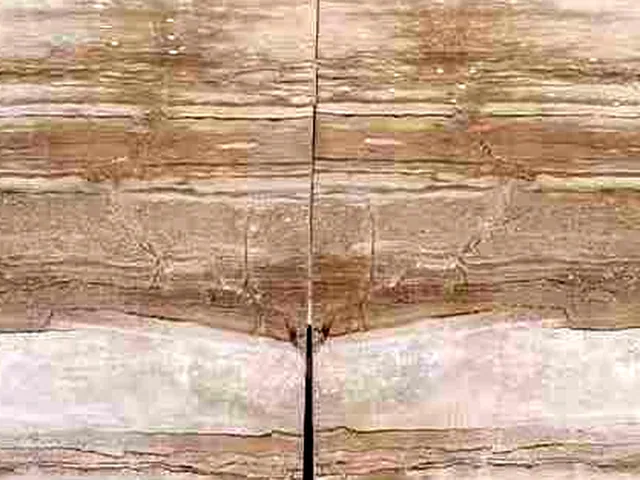
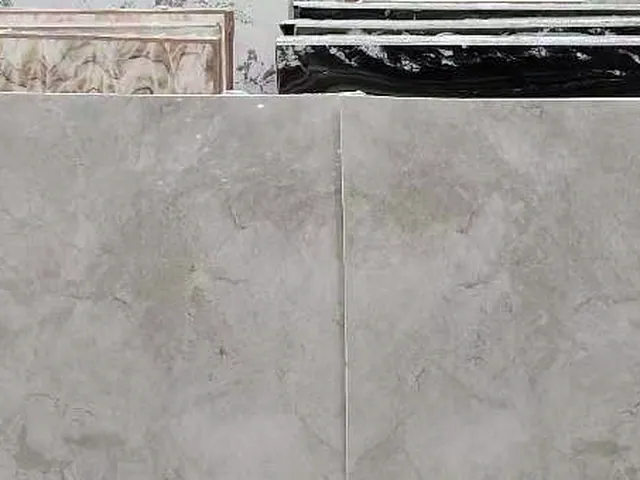
Reference image of a real slab. We confirm the batch, dimensions and availability before your order. Download the photo (for your moodboard)
- TypeMarble
- ColourCream
- OriginSpain
- FinishesPolished
- PriceDepends on material, batch, format, quantity and destination
- AvailabilityAsk us about slabs in stock
- ShippingWorldwide
- Sold asWhole slab (your fabricator cuts it)
- See it in personWarehouse in Llanera de Ranes (Valencia), by appointment via email
About this marble
Properties
A metamorphic rock made mostly of calcite. Luminous, with unique veining and easy to re-polish. Hardness 3–4 on the Mohs scale.
Recommended uses
Bathrooms, floors, stairs, cladding, fireplaces, tables. In kitchens, if you are happy for it to develop a patina.
Care
Sensitive to acids (lemon, vinegar) and slightly porous: it should be sealed and cleaned with pH-neutral soap.
What Crema Valencia looks like
Crema Valencia is a Spanish marble from the Valencia area, with a golden-cream background and a network of fine brown veins. That golden background makes it warmer than a pale cream marble, and very inviting on floors and walls.
The vein network changes from slab to slab. In some it is fine and evenly spread, so the slab looks almost plain from a distance; in others, the brown veins are denser and bolder. The background varies too, from a paler cream to a more golden tone. When choosing, look at:
- How consistent the batch is. On a large floor, what matters is that the slabs look alike. Ask for photos of several side by side.
- How dense the veining is. Less veining gives a calmer look; more veining, a more classic one.
- The background tone, especially if you are pairing it with wood or another marble.
Where it works best
It is a very versatile marble: floors in homes and hotels, stairs, bathrooms (walls, vanity tops and washbasins) and interior cladding. Its warm tone works as well in a Mediterranean house as in a classic entrance hall.
Two honest caveats. On a hard-working kitchen countertop it will develop a patina, like any marble; if you want a cream stone where you cook every day, look at a quartzite such as Taj Mahal (below). And for polished floors in wet or public areas, check the slip resistance before deciding on the finish.
What to pair it with
- Other Spanish marbles, in the time-honoured classic floor: borders or checkerboards with Rojo Alicante, Nero Marquina or Dark Emperador.
- Oak, linen and white walls, for a warm, bright feel.
- Brass, bronze and terracotta, which bring out its Mediterranean side.
- Next to very cool greys it can look yellower: warm whites and beiges suit it better.
Similar stones
- Daino: a paler beige background with fine cream and grey veins. Calmer and less golden.
- Rosa Valencia: another marble from the Valencia area, with a salmon-pink background and soft veins.
- Dark Emperador: a chocolate-brown Spanish marble with white and beige veins, if you want the same warmth in a dark tone.
- Taj Mahal: a quartzite with a warm cream background and soft veining. Much harder, and ideal for kitchen countertops.
We place it alongside the others in our guide to Spanish marble.
Want to see the batch? Ask us for photos of the slabs available and we will reserve the ones you need. We ship worldwide.
Compare the cream tone
Assess the background under lighting similar to the alternatives being compared. Different photographic white balances can exaggerate tonal differences.
Observe continuity and variation
For an arrangement of several pieces, compare whole slabs rather than only small samples. Continuity depends on the selected material and cutting layout.
Related guides: Spanish marble: Crema Marfil, Negro Marquina, Emperador and Rojo Alicante · Marble kitchen countertops: pros, cons and how to live with them · How to clean marble (and what never to use) · How to remove stains from marble: coffee, wine, oil, rust and hard water · Marble etching: what it is, why it happens and how to fix it · Do you need to seal marble? When, how often and how to do it · Marble vs quartzite: the real differences for countertops
Interested in Crema Valencia?
Add it to your selection with any others you are considering, or ask for a quote now. We will reply with today’s price and the available slabs.
Other stones with a similar appearance
Visual similarity does not imply the same composition, care or applications.