Marble dining table: which stone, thickness, weight and care
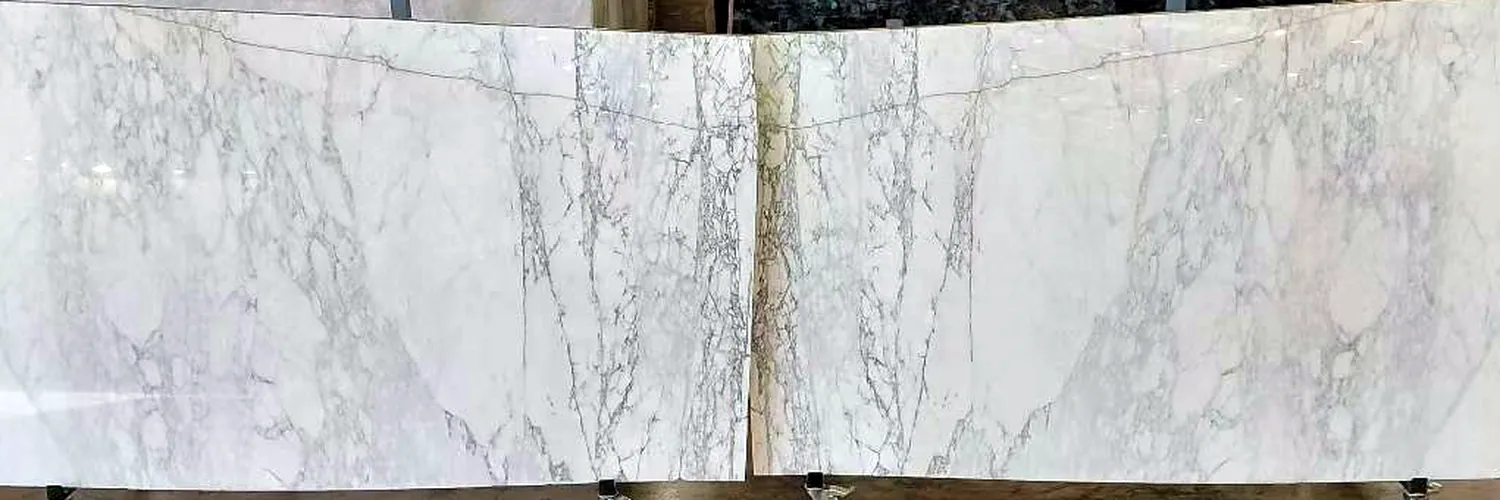
A marble table lasts a lifetime, and every top is one of a kind because it comes from a specific slab. But a dining table used every day asks for different things than a coffee table. Here is what to decide before you choose the stone.
Dining, coffee or side table
- Dining table: the one that works hardest. Wine, olive oil, lemon, plates and elbows every day. This is where the stone and the finish really matter. A dining top usually comes from a single slab, with no joins.
- Coffee table: less wear and more freedom. The place for heavily patterned stones, breccias, onyx or semi-precious stones, and for solid pieces cut straight from the block.
- Side table: small and very visible. It needs little surface, so it is a good home for a truly unusual stone.
Marble or quartzite for an everyday table?
This is the big question, and the answer depends on how you will live with the table.
- Marble: softer and sensitive to acids. A drop of lemon, vinegar or wine left for a while leaves a dull mark, even on sealed stone (marble etching). Over the years a Calacatta table develops a patina, like the marble tables of old cafés. If you love that look, marble is perfect. Go for a honed finish: it hides marks better than polished.
- Quartzite: much harder, and far more resistant to scratches and acids. The easy-going choice for a family with children. Taj Mahal and Calacatta Da Vinci look like marble with the toughness of quartzite, and Mont Blanc is a good alternative to white marble.
- Granite: also hard and durable, like Lemurian with its blue flashes.
- Onyx and semi-precious stones: beautiful but delicate. Best for coffee or side tables that are treated with care.
Some white stones sold as quartzite are actually dolomite, which is somewhat more sensitive to acids. If the table will see heavy use, ask us about the specific slab. More in marble vs quartzite.
Thickness and edges
Slabs are usually cut in 2 cm (¾ in) and 3 cm (1¼ in).
- 2 cm: looks lighter and weighs less. It needs a base that supports it well, without long overhangs.
- 3 cm: sturdier, with more presence. The usual choice for large dining tables and pedestal tables.
- Mitred edge: a strip is bonded under the edge at 45° so the top looks much thicker, without the weight of a solid piece.
An eased square edge is the most contemporary. A full bullnose or half bullnose is softer to the touch and safer with small children. The profiles are explained in countertop thickness.
How much does a marble table weigh?
Most marbles, quartzites and granites have a density of about 2,600–2,800 kg/m³. Approximate weights of the top alone, without the base:
| Top | 2 cm (¾ in) | 3 cm (1¼ in) |
|---|---|---|
| Per square metre | 52–56 kg (about 11 lb/sq ft) | 78–84 kg (16–17 lb/sq ft) |
| Rectangular dining, 200 × 100 cm (79 × 39 in) | 104–112 kg (229–247 lb) | 156–168 kg (344–370 lb) |
| Round dining, Ø 120 cm (47 in) | 59–63 kg (130–140 lb) | 88–95 kg (194–209 lb) |
| Coffee table, 120 × 60 cm (47 × 24 in) | 37–40 kg (83–89 lb) | 56–60 kg (124–133 lb) |
A 3 cm dining top takes several people to move, and it is always carried on its edge, never flat, so it does not crack under its own weight.
Bases that can take it
- It must carry the weight and not tip. With over 100 kg (220 lb) on top, the base and its joints must be designed for stone. Steel, solid wood or stone bases all work well.
- Pedestal base: needs a wide top plate to spread the support and a heavy or broad foot, so the table does not tilt when someone leans on the edge. A 3 cm top is the better choice here.
- Corner legs or trestles: spread the load better and can take a 2 cm top.
- Flat support: the top must sit without being forced. It is fixed with adhesive or pads, never on a base that rocks.
Overhangs, joints and fixings are worked out by the furniture maker or the fabricator.
Tables carved from the block
Besides a top on a base, there is the solid table: a piece cut straight from the block, with polished and raw faces, or a stone pedestal holding the top. Every one is unrepeatable (see examples in ideas). They are very heavy: a solid pedestal of 40 × 40 × 70 cm (16 × 16 × 28 in) weighs around 290–315 kg (640–690 lb). Before ordering one, check the access (doors, stairs, lift or elevator) and that the floor can take it.
We work with blocks, so as well as slabs we can supply solid pieces cut to size for a project.
Care
- Use coasters and trivets. Stone handles heat, but they prevent marks and sudden temperature changes.
- Wipe up spills straight away, especially lemon, wine and vinegar.
- For everyday cleaning, water and a pH-neutral soap (how to clean marble).
- Seal the top and reseal when the water-drop test says so (do you need to seal marble?).
- Do not drag ceramics with an unglazed base across it: they scratch polished marble.
Stones for tables in our catalogue
Every photo shows a real slab in our warehouse:
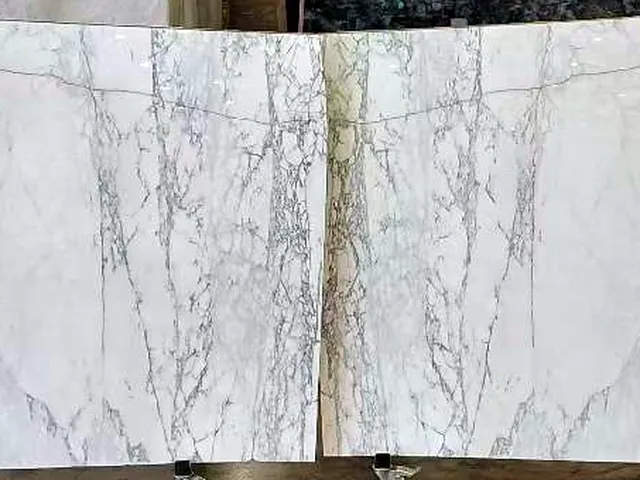
Calacatta
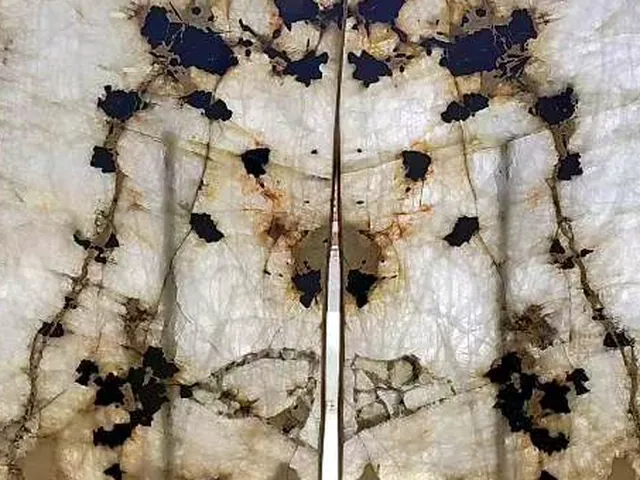
Patagonia
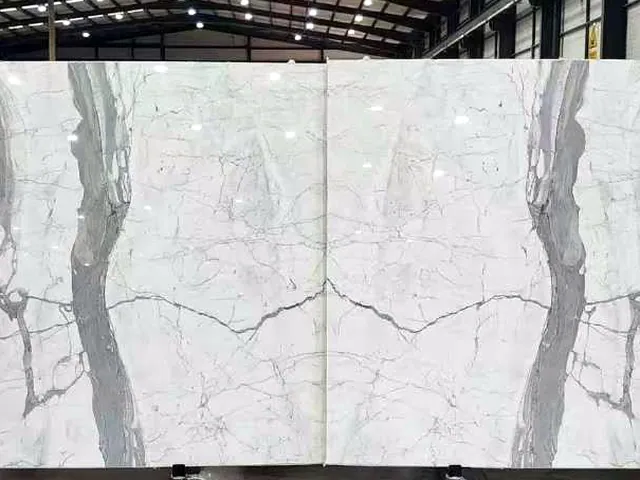
Statuario
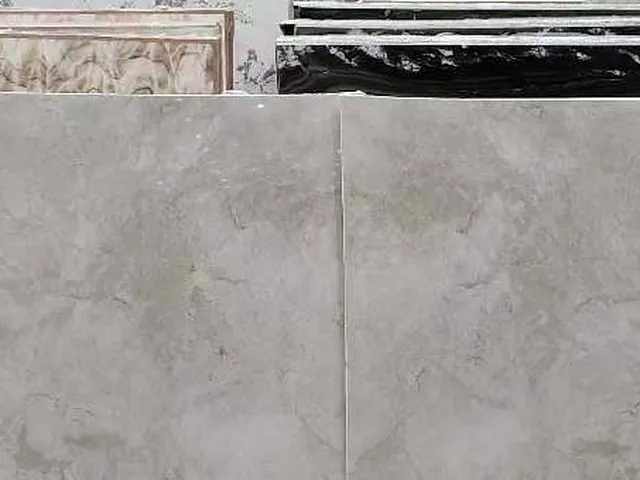
Taj Mahal
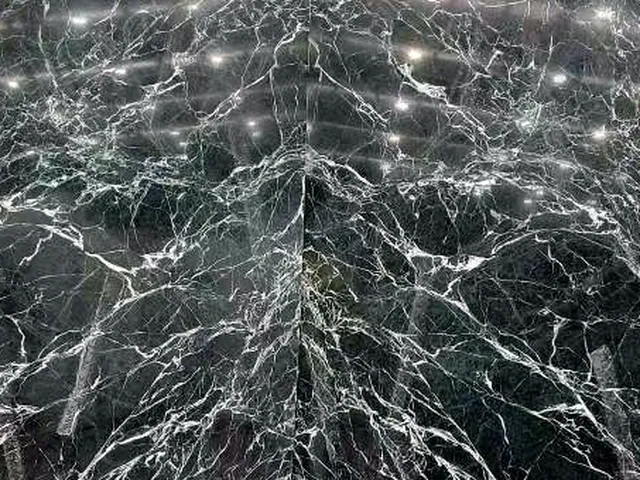
Verde Alpi
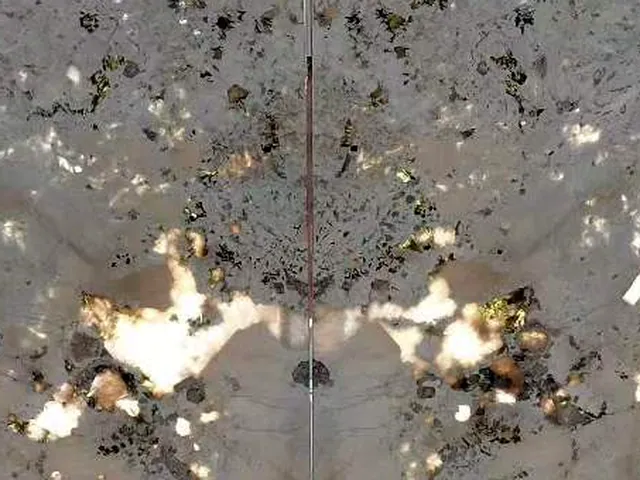
Alpinus Patagonia
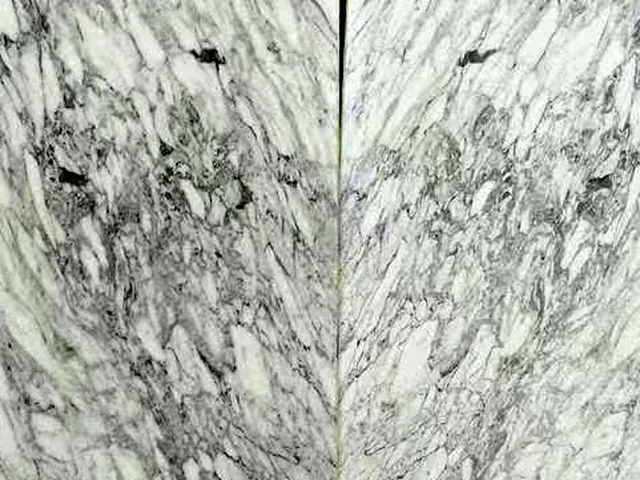
Arabescato
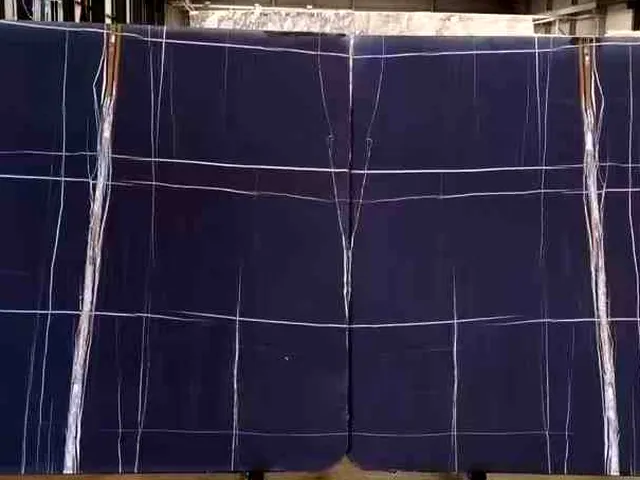
Bambú
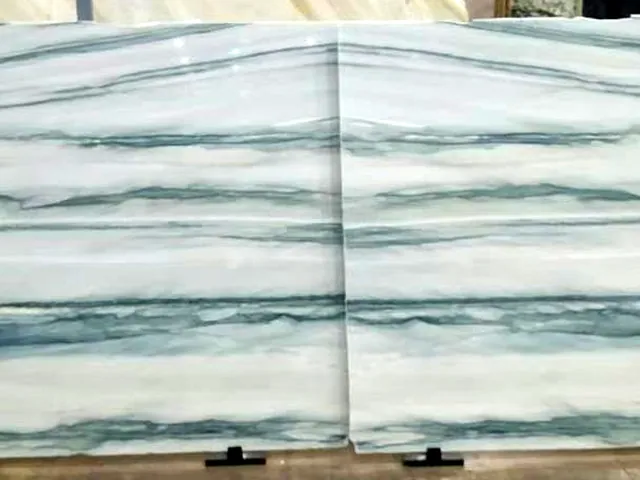
Botticelli
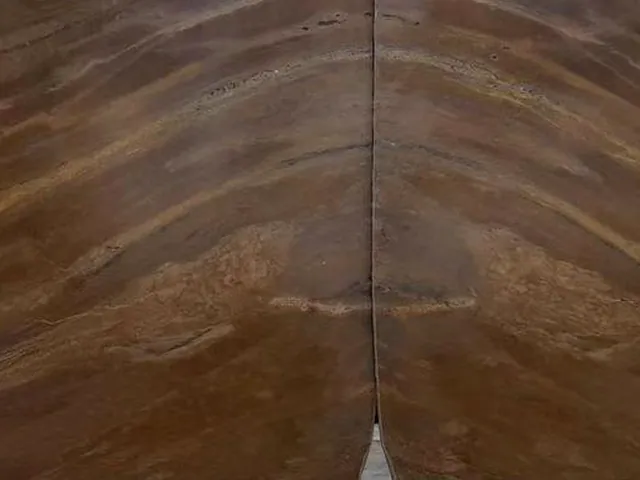
Bronzite

Bulgari
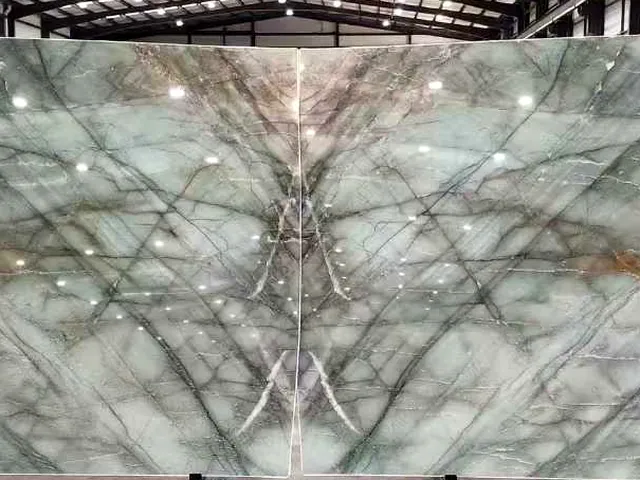
Calacatta Da Vinci
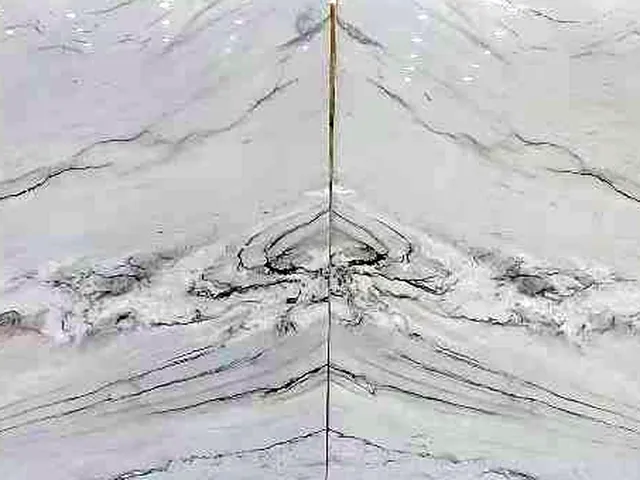
Mont Blanc
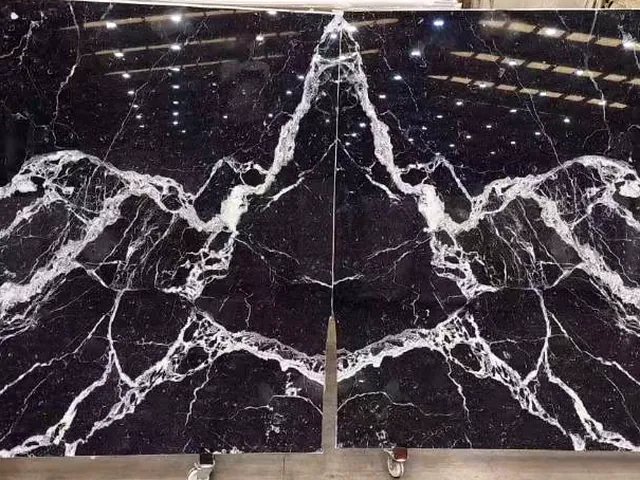
Nero Marquina
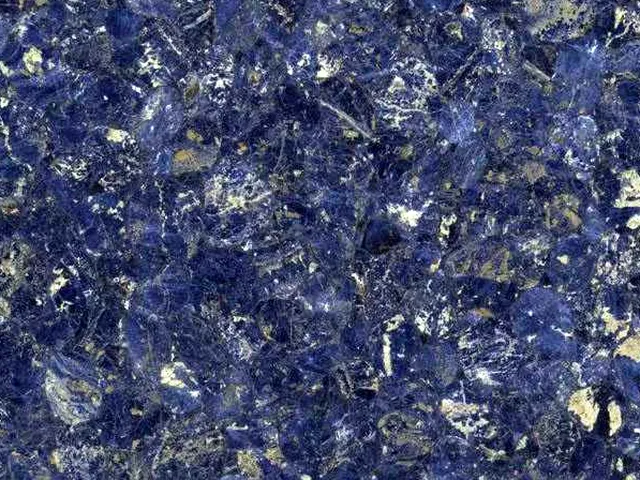
Sodalite
Looking for a tabletop? Tell us the size and the use and we will send you photos and videos of the available slabs, so you can choose the exact area of veining. We ship worldwide.
Have a project in mind?
Ask us for a no-obligation quote: we will reply with an indicative price.