Onyx table: coffee, dining or backlit, and how to look after it
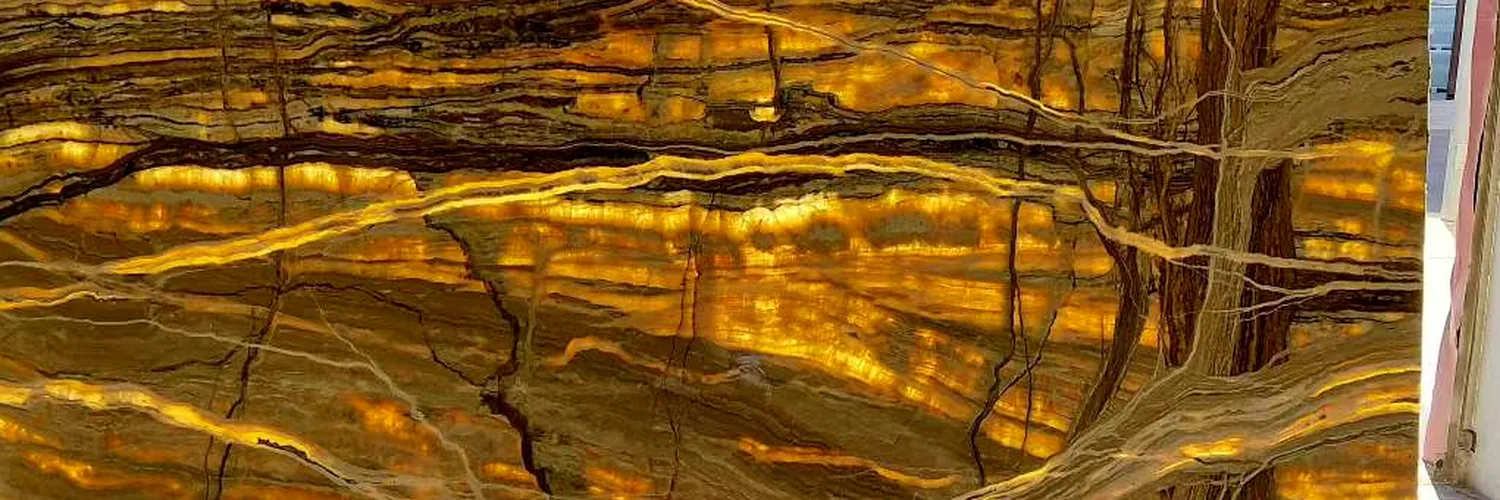
An onyx table is a design piece more than a piece of furniture: bands of honey, green or pink that glow from within when lit from below. But onyx is a delicate stone, and choosing where the table goes is what decides whether you will enjoy it for years.
Real slabs in our stone library. Tap + to save the ones you like and ask for photos and a quote for all of them at once.
What makes onyx special
Decorative onyx is a calcite stone formed layer by layer in caves and springs. That gives it its coloured bands and, above all, its translucency: it lets light through. That is exactly what makes it unique for a table, and also what makes it delicate. More in types of onyx.
Coffee, dining or side table
- Coffee or side table: its ideal place. Little use, lots of visibility, and hardly any acids or knocks.
- Dining table: possible, but with care. Onyx is soft (a knife scratches it) and wine, lemon or vinegar leave dull marks. It suits a dining room used occasionally or a restaurant that looks after it every day; for a family that eats at it daily, a quartzite is the easier choice. We compare the options in marble dining table.
- Bar, reception or shop tables: as a statement piece, especially backlit.
Backlit onyx table
With a light source under the top, the bands light up like stained glass. It is the most spectacular version, and it has to be designed from the start:
- Even light: uniform LED panels or strips, with an air gap between the light and the stone so there are no hot spots and the top does not heat up.
- Translucent reinforcement: onyx is fragile and many slabs are reinforced on the back. If it will be lit, the reinforcement must let light through, which is why laminated glass is often used. Ask about the reinforcement of the actual slab.
- Access to the lighting: plan how to replace the LEDs without removing the stone.
- Check it against the light: two slabs of the same onyx can look very different when backlit. If you can, ask to see it lit before deciding.
Everything you need to plan is in backlit onyx.
Thickness, weight and base
- Thickness: as with other stones, slabs are usually cut at 2 or 3 cm. A mitred edge makes the top look thicker without the weight. See countertop thickness.
- Weight: a stone table weighs far more than it looks. Work out the weight of your top with our stone weight calculator before choosing the base and planning how to get it into the house.
- Base: the top must sit flat without being forced. Because it is more fragile than marble, avoid large overhangs and bases that leave areas unsupported. The base and fixing are calculated by the furniture maker or stone fabricator.
Everyday care
- Always use coasters and trivets, especially with wine, citrus and cold glasses.
- Clean with water, pH-neutral soap and a soft cloth. No limescale removers, vinegar or harsh cleaners.
- Seal it when installed and repeat the water-drop test every few months.
- If the polish fades over the years, a stone fabricator can re-polish it.
Which onyx to choose
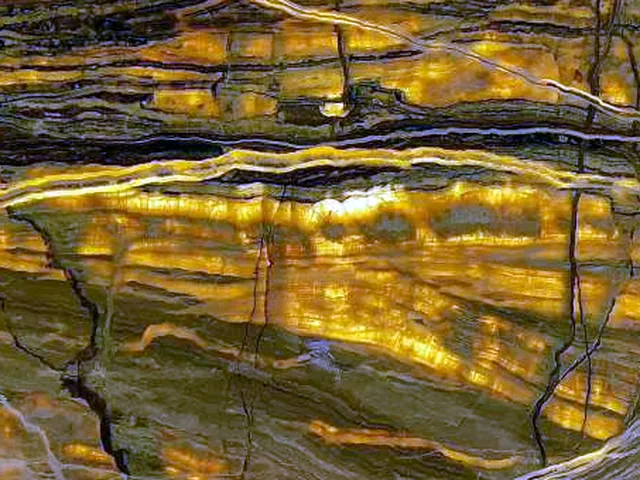
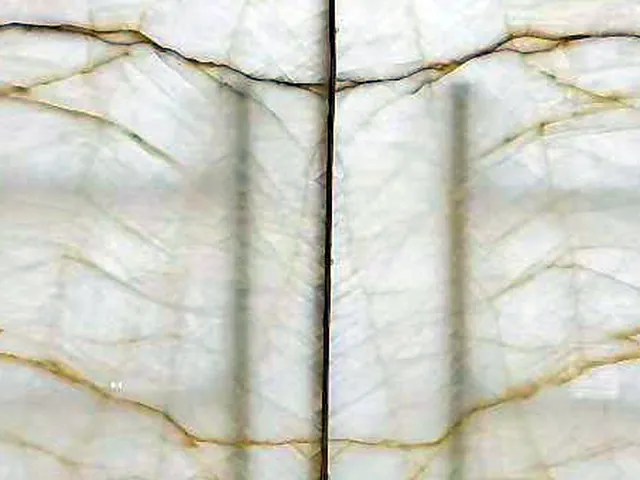
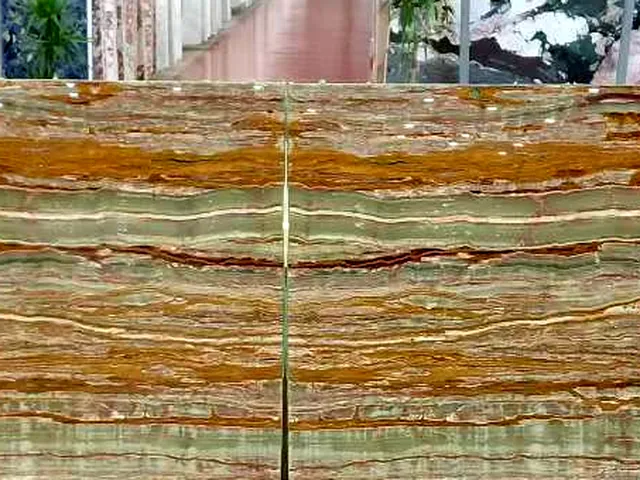
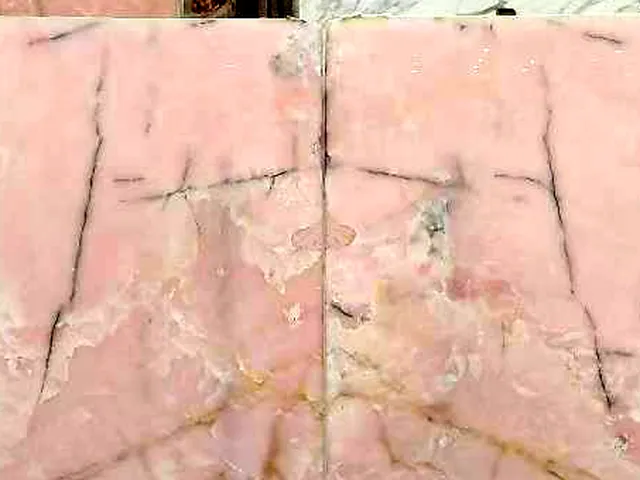
It depends on the mood you want. Our library has Onyx Capuccino, with bands of honey, caramel and coffee; Madagascar, a creamy white background with a network of golden veins; Green Onyx, with green, honey and orange bands; and Pink Onyx, soft pink and very delicate. Every slab is unique: ask us for photos of the slabs available and, if the table will be backlit, tell us so we can choose them with that in mind.
Need information about a material? Tell us which stone you are interested in, the approximate quantity and the destination. Ask about availability and a quote
Are you an interior designer or architect? How we work with design studios · Contractor or fabricator? Trade supply