Exotic and semi-precious stone: what it is and how to use it
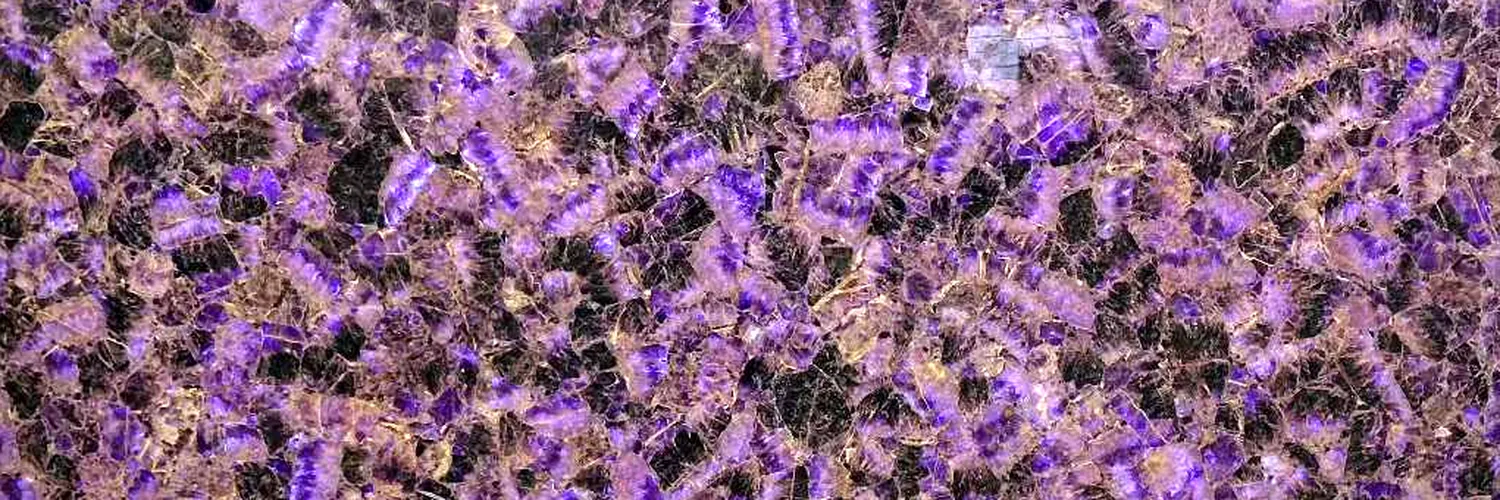
These are the stones that stop people in front of a bar or a wall: quartzites with veins of crystal, onyx that lets light through, and slabs of amethyst or sodalite. To specify them well, you need to know what each one is, how it is made and what it can take.
What makes a stone "exotic"
"Exotic" is not a geological category but a trade term. It is used for stones with an unusual colour or pattern, quarried in few blocks, where each slab looks very different from the next. Many are quartzites, and some of the best known are Brazilian, such as Patagonia and Vitoria Regia.
On a project, that has two consequences. First, the actual slab is everything, and a small sample is no basis for a decision. Second, supply is limited. If an exotic stone is the centrepiece of the design, select and reserve the slabs early.
Exotic quartzites: crystal and colour
They have the hardness of quartzite and a pattern that looks like something else entirely. They fall into two groups.
With areas of translucent crystal
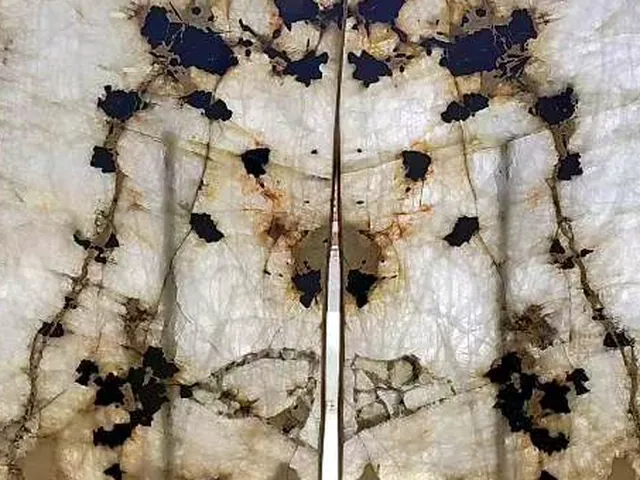
- Patagonia: a cream background with large areas of translucent white crystal and black and rust patches. Backlit, it is spectacular. Our Patagonia quartzite guide covers it in depth.
- Crystallo: white and translucent, with gold and rust-coloured veins. It also comes in blue, as Crystallo Blue, and in pink.
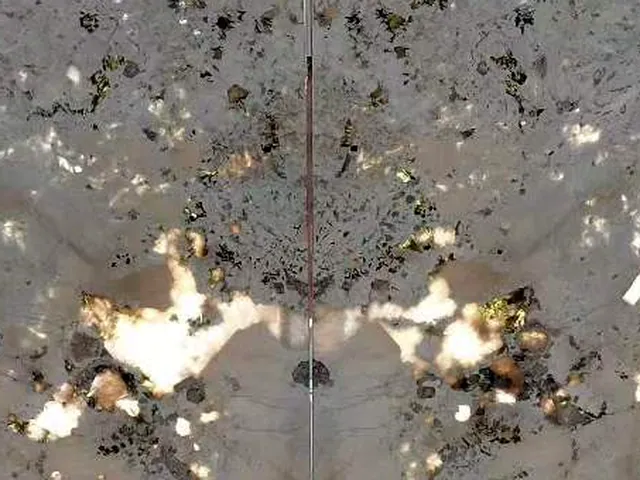
- Alpinus Patagonia: a grey background with areas of whitish crystal and golden flashes.
Full of colour
- Four Seasons: orange, burgundy, black and white, like an autumn landscape. Book-matched, it forms almost painterly compositions.
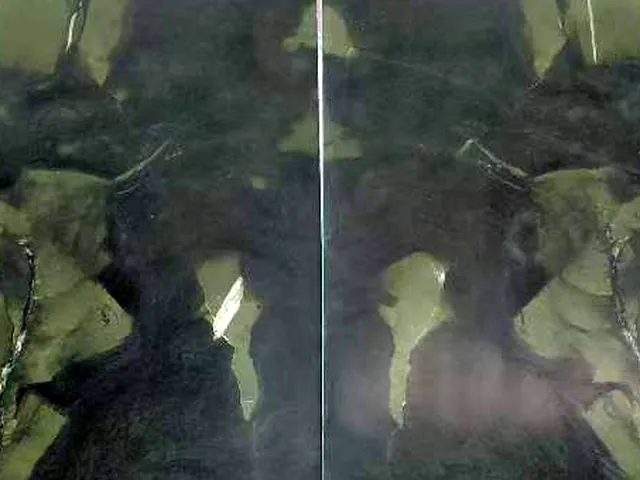
- Avocatus: a very dark green background with large olive-green shapes and an almost botanical feel.
- Fusion: wavy bands of blue, green, grey and gold, like moving water.
- Vitoria Regia: a green background with large rounded shapes that recall water lily leaves.
These slabs often arrive reinforced with mesh and resin on the back, with small fissures or pores filled with resin on the face. That is not a defect: it is how stones with this much crystal are processed.
Onyx: the stone that lets light through
Decorative onyx is made of calcite and forms layer by layer, which is why it is banded and translucent. It is also delicate: soft and sensitive to acids, and its slabs are usually backed with mesh and resin for strength. That is standard practice.
Onyx comes in many tones: honey and coffee in Onyx Capuccino, creamy white with golden veins in Madagascar, blue, orange and honey bands in Picasso Onyx, or amber clouds on black in Black Onyx.
Semi-precious slabs: how they are really made
This needs saying plainly. A slab of amethyst or sodalite is not a solid block sliced into a sheet. It is made by bonding pieces of the stone with resin onto a backing and then polishing the face. The result is a natural mosaic: every fragment is genuine mineral, but the slab itself is a composite.
- Amethyst: intense violet crystals with white and grey areas. Backlit, it glows like stained glass.
- Sodalite: intense blue with white veins.
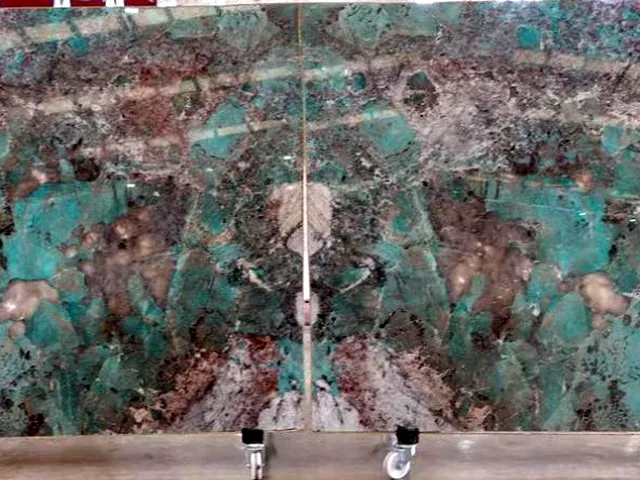
- Amazonite: intense turquoise with white, pink and grey areas.
- Bronzite: bronze, copper and gold, with almost metallic reflections that shift with the light.
- Blue calcite: sky blue with white and grey veins running diagonally.
Being a composite changes how the slab behaves. Resin does not like direct heat. And hardness depends on the mineral: amethyst is a variety of quartz, while calcite is the same mineral as marble and onyx, softer and sensitive to acids.
Backlighting
Onyx, crystal-rich quartzites and many semi-precious slabs can be lit from behind. The essentials, covered in more detail in our backlit onyx guide:
- Even LED lighting with an air gap between the light and the stone, so there are no hot spots.
- A backing that lets light through if the slab is going to be backlit.
- Access to replace the lighting without removing the stone.
- Light does not pass evenly through the whole slab. In Patagonia the crystal glows while the dark areas stay opaque, and that contrast is part of the effect.
The lighting design and installation are handled by the installer or the project engineer.
Where to use them
- Bars and counters in restaurants, hotels and shops, often backlit. See natural stone for hotels and retail.
- Reception and feature walls, with book-matched slabs. The technical side is in our guide to interior stone wall cladding.
- Tables: coffee, dining and boardroom.
- Washbasins and vanity tops that see gentle use.
Where we would not use them: onyx and semi-precious slabs as the main worktop in a busy kitchen. A quartzite does that job better, and the onyx or amethyst looks just as good on the island front or the bar.
Care
- Cleaning: water, neutral soap and a soft cloth. No limescale removers, vinegar or harsh products.
- Seal on installation, especially onyx and crystal areas, and repeat the water-drop test from time to time. See do you need to seal marble?
- Always use trivets and coasters: resin suffers with heat and onyx etches with acids.
- Indoors only: onyx and semi-precious slabs are interior materials.
Exotic and semi-precious stones in our catalogue
Every photo shows a real slab in our warehouse:
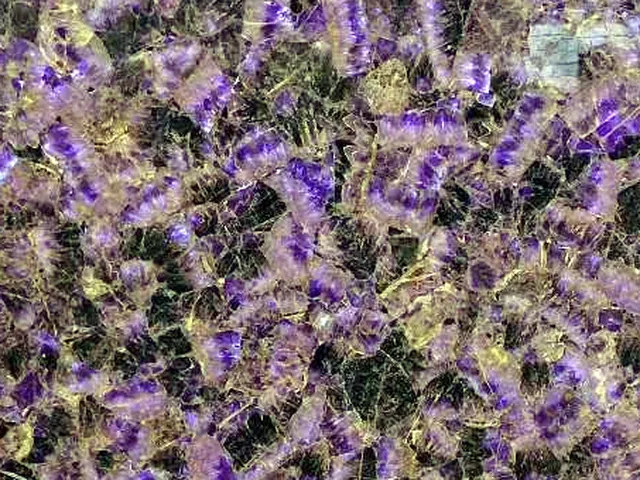
Amethyst
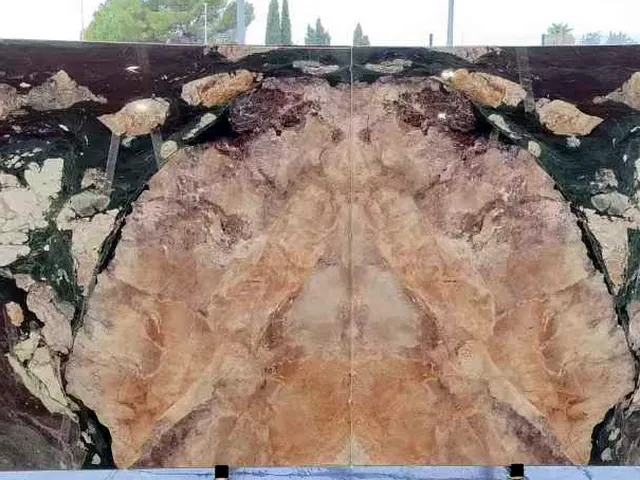
Four Seasons
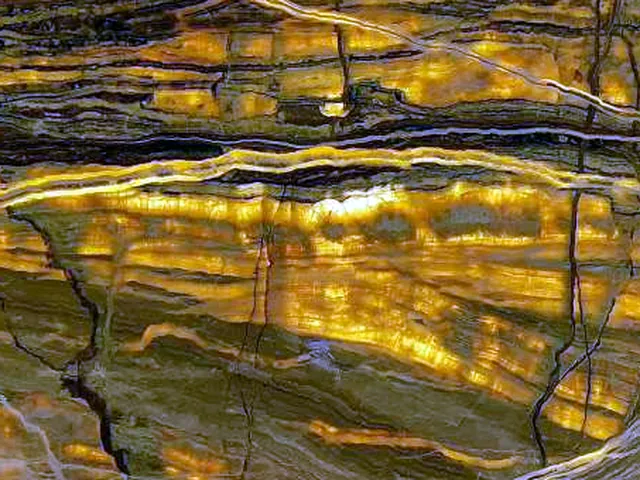
Onyx Capuccino
Patagonia
Alpinus Patagonia
Amazonite
Avocatus
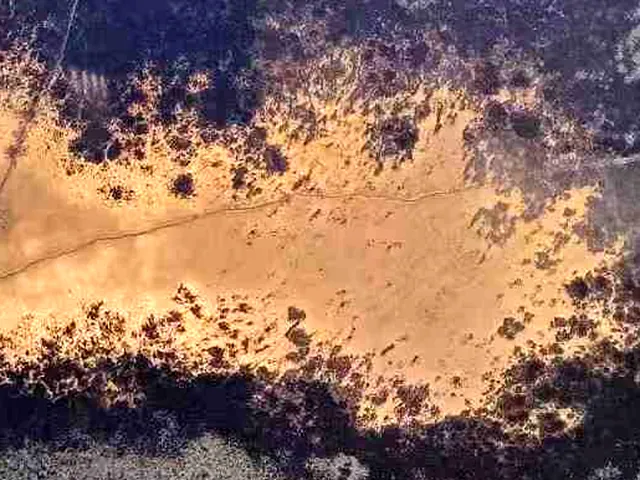
Black Onyx
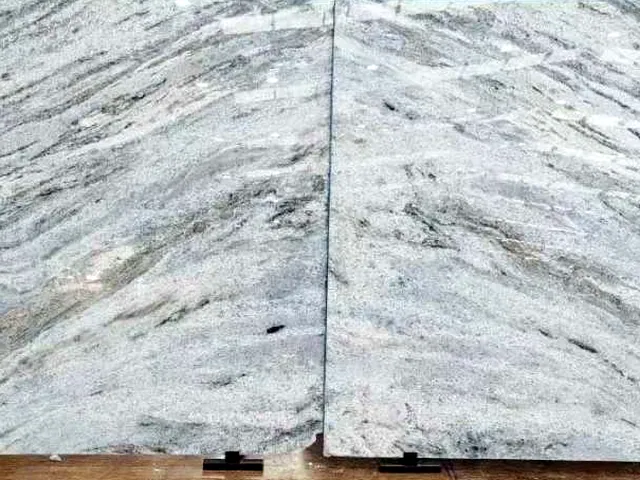
Blue Calcite
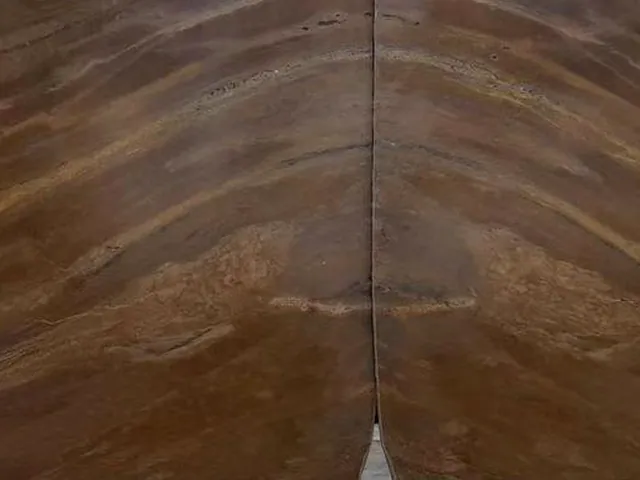
Bronzite
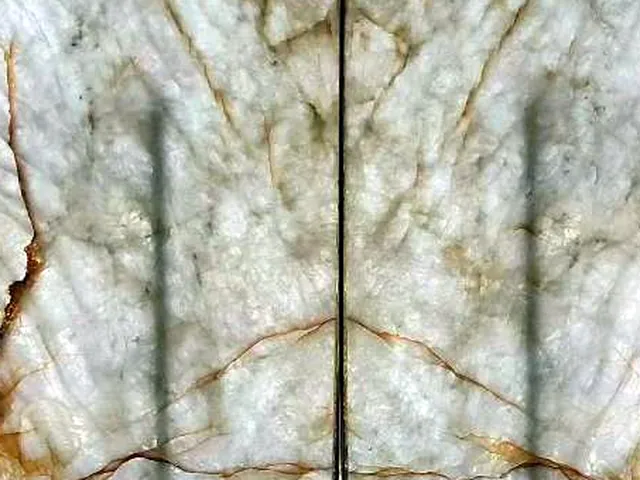
Crystallo
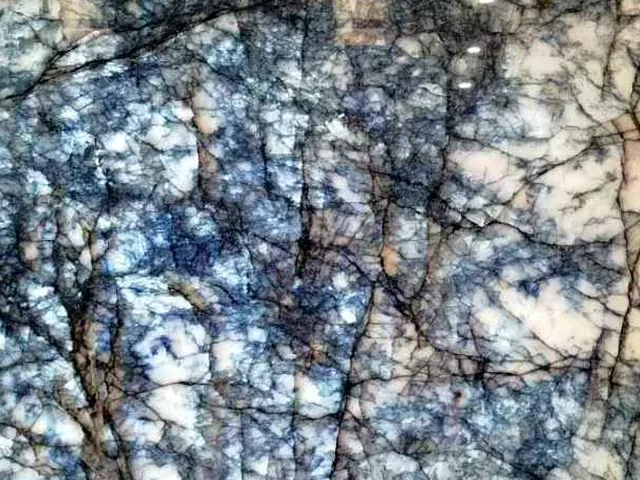
Crystallo Blue
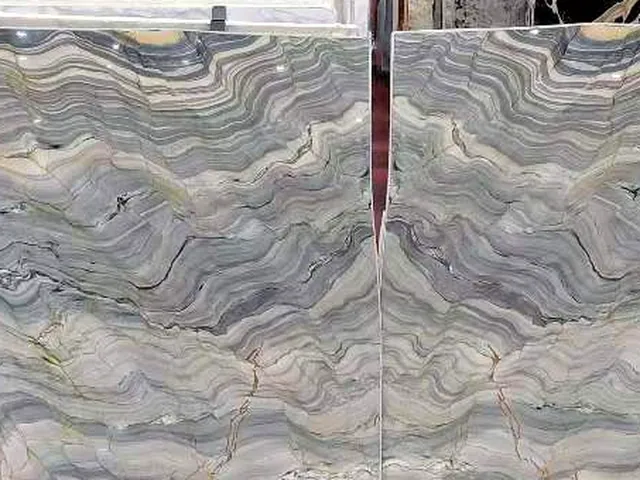
Fusion
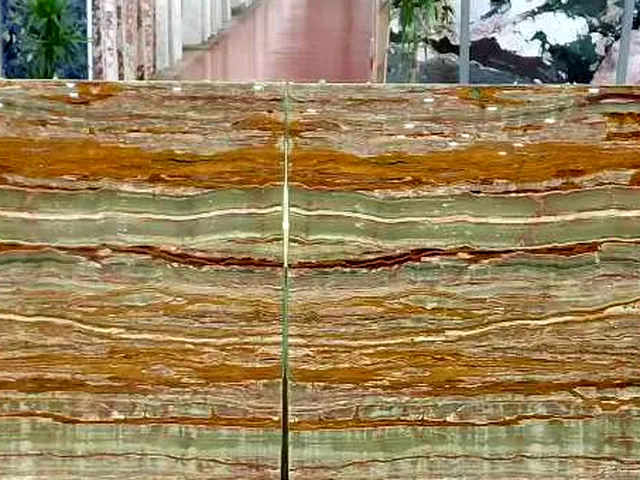
Green Onyx
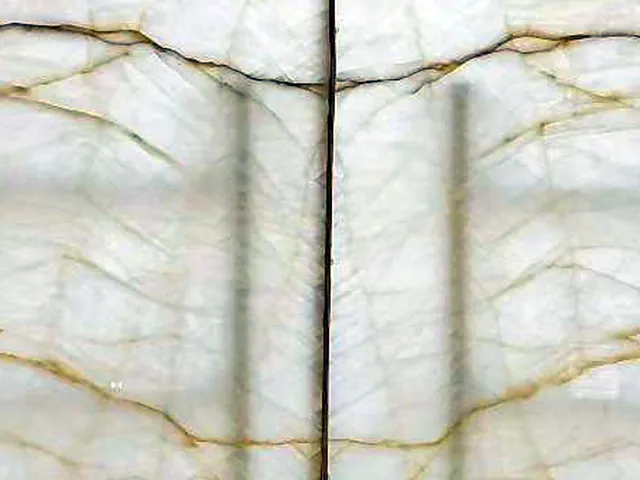
Madagascar
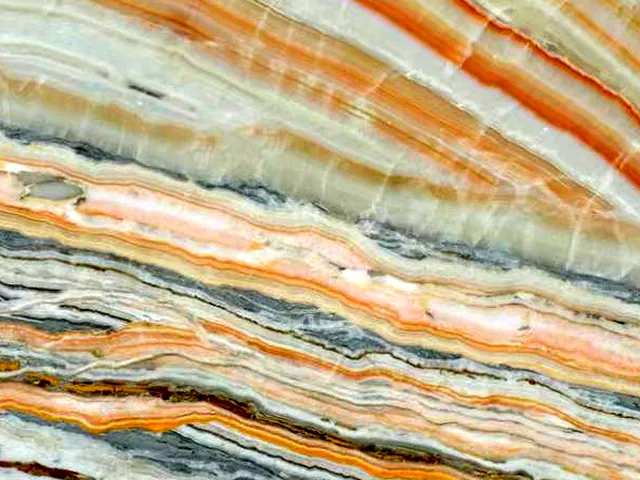
Picasso Onyx
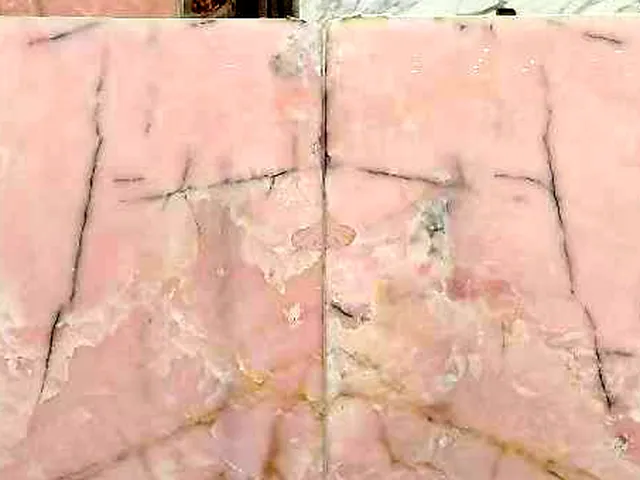
Pink Onyx
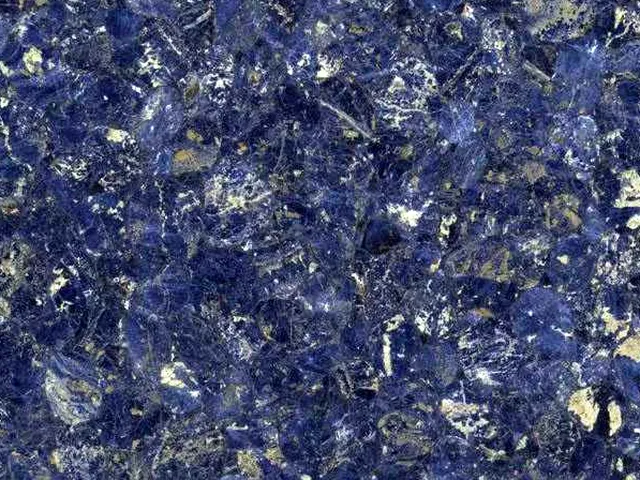
Sodalite
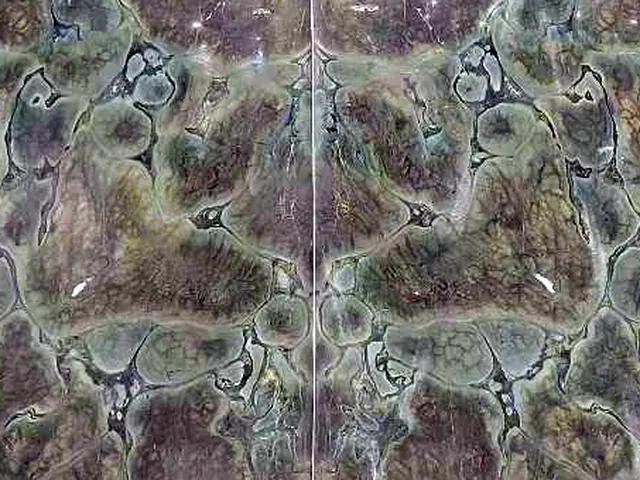
Vitoria Regia
With these stones, every slab is one of a kind. Ask us for a quote and photos or videos of the available slabs: we can hold them while you finalise the project, and we ship worldwide.
Have a project in mind?
Ask us for a no-obligation quote: we will reply with an indicative price.