Natural stone washbasin: types, which stone to choose and care
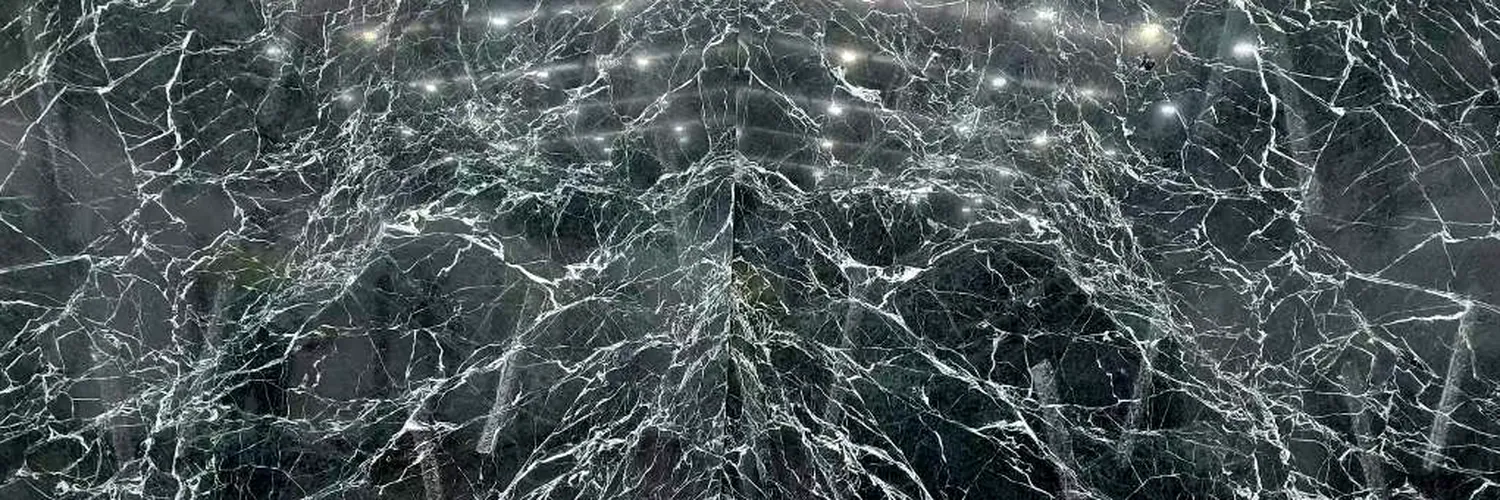
A natural stone washbasin is the most visible piece in a bathroom and the one people touch most. Chosen well, it lasts a lifetime. Here are the types available, which stone suits which use, and what needs deciding before you order it.
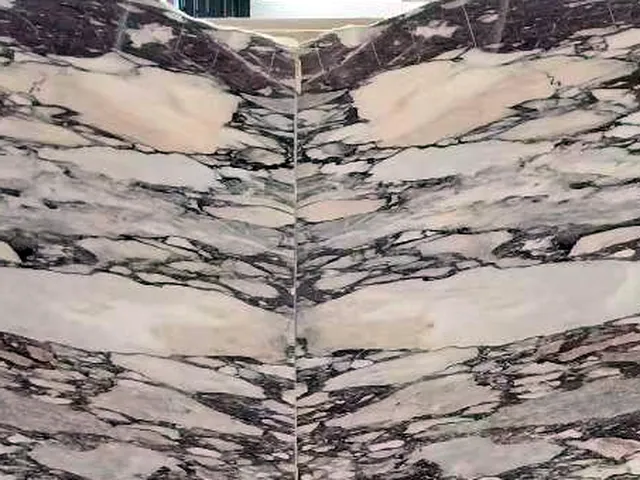
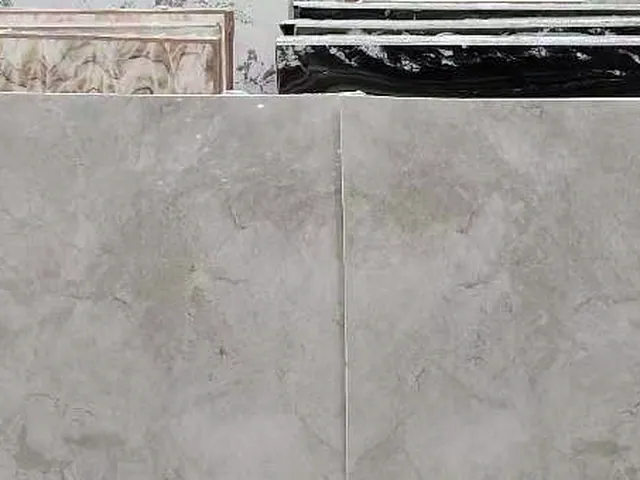
Real slabs in our stone library. Tap + to save the ones you like and ask for photos and a quote for all of them at once.


Types of stone washbasin
- Solid, carved from a block: the basin is hollowed out of a single piece of stone. No joints and the most sculptural option, but also the heaviest. If the workshop carving it needs a block, ask us: as well as slabs, we sell whole blocks.
- Mitred from slabs: built like a box from 2 or 3 cm slabs joined at 45°, so it looks solid with far less weight. It allows large straight shapes, such as double or trough basins.
- Integrated into the vanity top: the top itself has a recess sloping towards a drain slot, often hidden. Clean and continuous, and very popular in design projects.
- Countertop or undermount: the top is stone and the bowl is a separate piece (another stone or ceramic), sitting on top or fixed underneath.
Which stone to choose
- Marble: the classic choice. There are few acids in a bathroom, but perfumes, colognes and some cleaning products can mark it, and limescale dulls the shine. A honed finish hides those marks better than polished. See marble in the bathroom.
- Quartzite: harder and less sensitive to acids. The easy choice for hard-working bathrooms, such as those in hotels, restaurants and offices. Taj Mahal, for example, looks like a light marble.
- Onyx: the most spectacular, especially backlit, but soft and delicate. Best in guest cloakrooms or bathrooms with little use. More in backlit onyx.
- Travertine: warm and natural; filled and properly sealed, it works well in bathrooms. See travertine.
In hospitality projects, where basins are cleaned daily with all kinds of products, specify the stone and finish with real maintenance in mind. We cover this in natural stone for hotels and retail.
What to decide before ordering
- Drain: visible waste or hidden slot, and whether it needs an overflow. A hidden slot needs an accessible cover for cleaning.
- Fall: the bottom must carry water to the drain without pooling; standing water leaves limescale rings on stone.
- Taps: wall-mounted or deck-mounted. If wall-mounted, fix their position before tiling; if they go through the stone, the holes are drilled in the workshop.
- Weight and fixing: a solid basin or stone vanity is very heavy. Work it out with our weight calculator and check that the wall or cabinet can take it.
- Veining: for a basin made from slabs, ask for the pieces to come from the same slab or from consecutive slabs so the veining continues around the fronts. See what is bookmatching.
- Finish: polished shines more; honed and leathered hide limescale and marks better. We compare them in natural stone finishes.
The piece is made by the stone fabricator or workshop from the project drawings. We sell the whole slabs or blocks, with photos of the actual ones; if you do not have a fabricator, we can help you find one. You can also see the slabs at our warehouse in Llanera de Ranes (Valencia), by appointment via email.
Care
- Seal the stone when installed and repeat the water-drop test from time to time.
- Clean with water and pH-neutral soap; no limescale removers or acidic bathroom cleaners.
- Dry the basin if your water is hard: limescale is what dulls stone most.
- Use a tray for perfumes and cosmetics, and do not leave wet metal containers on it: they can leave rust stains.
Stones that work especially well
From our library, for a statement basin: Calacatta Viola, Verde Alpi, Rosso Lepanto or Statuario in marble; Taj Mahal in quartzite; and Onyx Capuccino if it will be backlit. Ask us for photos of the slabs available with your project dimensions.
Need information about a material? Tell us which stone you are interested in, the approximate quantity and the destination. Ask about availability and a quote
Are you an interior designer or architect? How we work with design studios · Contractor or fabricator? Trade supply