Types of quartzite: colours, names and how to choose
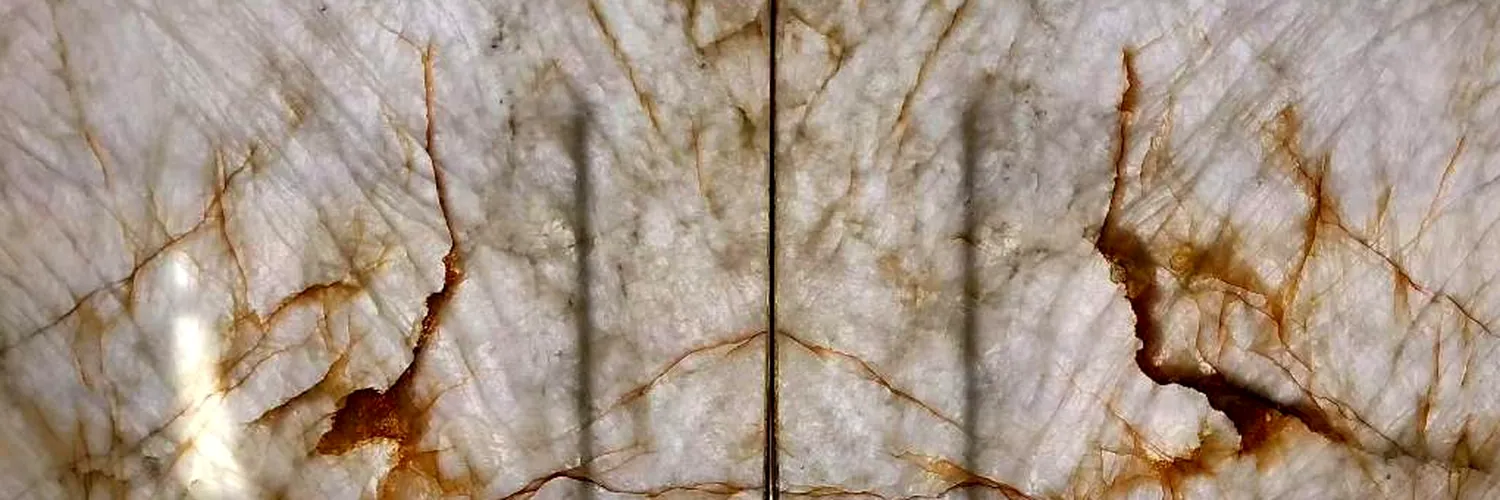
Taj Mahal, Patagonia, Blue Roma, Crystallo… There are hundreds of quartzite names, and no two slabs are the same. Yet almost all of them fall into a handful of families by look. This guide sorts them out, with examples of real slabs from our catalogue.
What quartzite is
Quartzite is a metamorphic rock: sandstone that heat and pressure recrystallised over millions of years into a very dense rock made almost entirely of quartz. Quartz rates 7 on the Mohs hardness scale, against 3 for the calcite in marble. That is why a true quartzite is not scratched by a knife and does not etch with lemon or vinegar.
Do not confuse it with engineered quartz, a manufactured material bound with resin. We explain the difference in quartzite vs quartz.
Why there are so many types
- Other minerals tint the rock. Almost pure sand gives white quartzites. Small amounts of other minerals change the colour: iron oxides bring gold, rust and reddish tones, while others give blues, greens or blacks.
- Pressure draws the pattern. The folding and fracturing the rock went through create bands, waves and veins. Where quartz recrystallised, you get areas of translucent crystal.
- The names are trade names. There is no official register. A name like "Calacatta" describes the look, not the origin, and the same stone can be sold under different names. What counts is the actual slab.
Quartzite families by look
White quartzites that look like marble
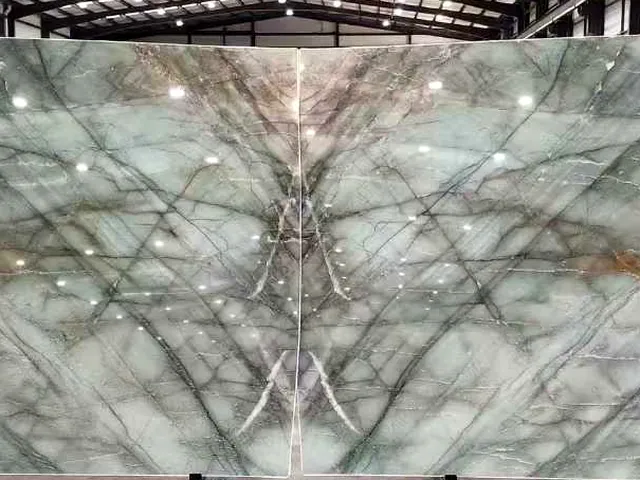
The most sought-after for kitchens: the pattern of a marble with the toughness of a quartzite. Mont Blanc is a greyish white with soft veins that recall snow; Super White is white with grey veins and clouds; and Calacatta Da Vinci is pearl grey with herringbone veins. With more movement there is Macchia Vecchia, with central veins in brown, grey and gold, plus Alpinus and Matarazzo, white with grey patches. More options in quartzite that looks like marble.
This family hides the best-known trap: some white stones sold as quartzite are actually dolomite, which is more sensitive to acids. Before choosing one for a kitchen, test the actual slab as we explain in dolomite vs quartzite.
Translucent crystal quartzites
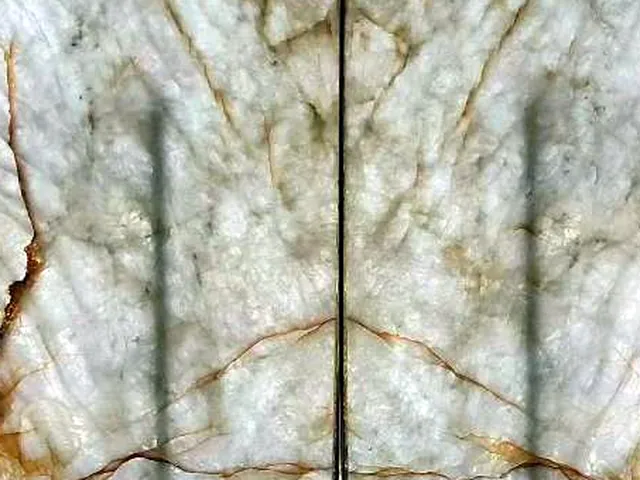
These have areas of crystal that let light through. Crystallo (Cristallo) is a translucent white with gold and rust-coloured veins, and it comes in several varieties: Crystallo White, the whitest and most uniform; Crystallo Blue, with areas of intense blue; and Crystallo Pink, in pink tones. Patagonia combines a cream background with large areas of white crystal and black and rust patches (more in our Patagonia quartzite guide), while Alpinus Patagonia sets that crystal on a grey background. Backlit, they shine in bars, reception counters and panels.
Blue quartzites
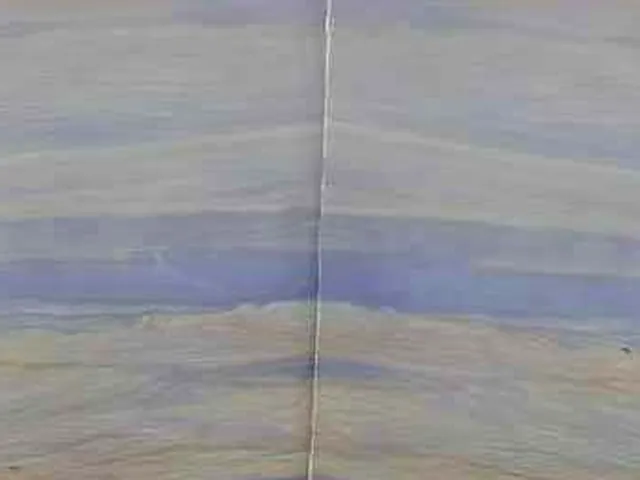
Blue Roma has a sky-blue background with brown, rust-toned veins forming large branching patterns, spectacular when book-matched. Azul Macaubas, from Brazil, is sky blue with lighter and deeper horizontal bands. And Fusion mixes wavy bands of blue, green, grey and gold, like moving water.
Green quartzites
Avocatus has a very dark green background with large olive-green shapes and light veins. Vitoria Regia, from Brazil, is green with large rounded shapes that recall the leaves of the giant water lily it is named after. If you prefer a green with more white, Patagonia Green has a white background with large green, grey and black veins.
Dark quartzites
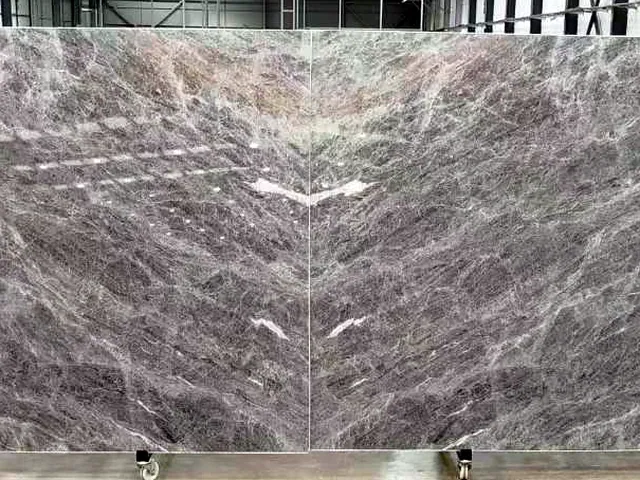
For dark kitchens with a hard stone. Titanium is black with bold white veins; Via Lactea is black with white speckles, like a starry sky; Krypton is a dark bluish grey with gold and white veins; and Cielo is dark grey with light veins that form a herringbone on book-matched slabs.
Warm quartzites
Taj Mahal is a warm cream with soft beige and golden veins, and one of the most popular stones for countertops (worktops); our Taj Mahal guide covers it in depth. Roma Imperial has a cream background with gold and reddish veins, and Elegant Brown has brown, grey and cream bands that form a large V when book-matched. All three work beautifully with wood.
Multicolour
Four Seasons has a very dramatic pattern in orange, burgundy, black and white, like an autumn landscape. Book-matched, it forms almost painterly compositions. It is a stone for a statement piece.
Where to use quartzite
- Kitchen countertops and islands: its signature use, because it resists scratches and acids. Pros and cons in quartzite countertops.
- Bathrooms, walls and interior floors, especially the more patterned stones.
- Bars, counters and backlit panels, with the crystal quartzites.
- Outdoors: sunlight does not affect it the way it affects resin-based materials. For facades or exterior paving, ask for the test data of the specific stone.
Finishes
Most of our quartzites are polished, which deepens the colour and the crystal. Taj Mahal also comes leathered, a silky textured finish that hides fingerprints and water spots, and Vitoria Regia comes in a hydrofinish. The differences are explained in natural stone finishes.
Care
- Clean daily with water and a pH-neutral soap.
- Sealing: hard does not mean waterproof. Some quartzites barely absorb anything; others, especially the crystal ones, do. Use the water-drop test from our sealing guide.
- Use a trivet for pans straight off the hob (stove): a sudden temperature change can damage any stone.
- If you are not sure it is a true quartzite, treat it like marble until you have tested it.
Quartzites in our catalogue
Every photo shows a real slab in our warehouse. You can also browse them on our quartzite page:
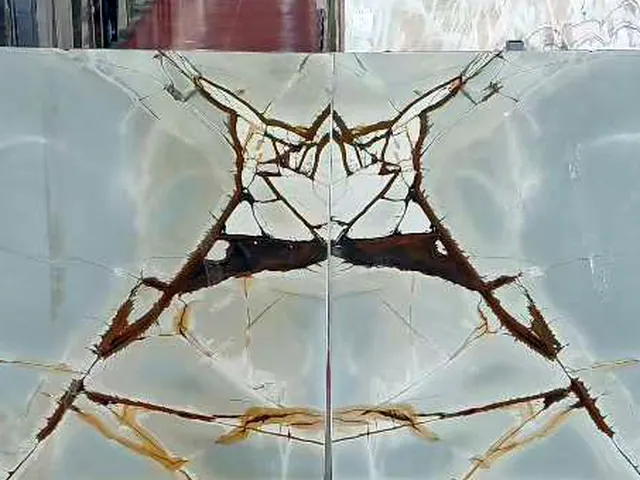
Blue Roma
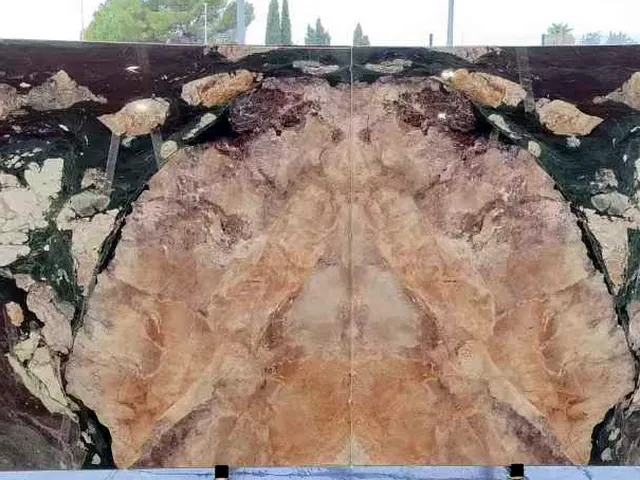
Four Seasons
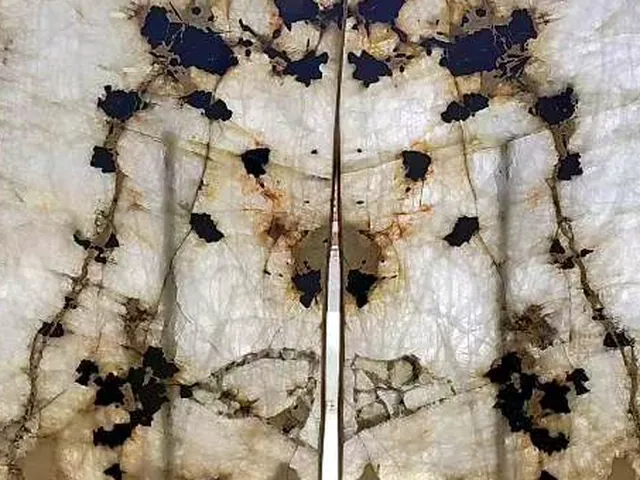
Patagonia
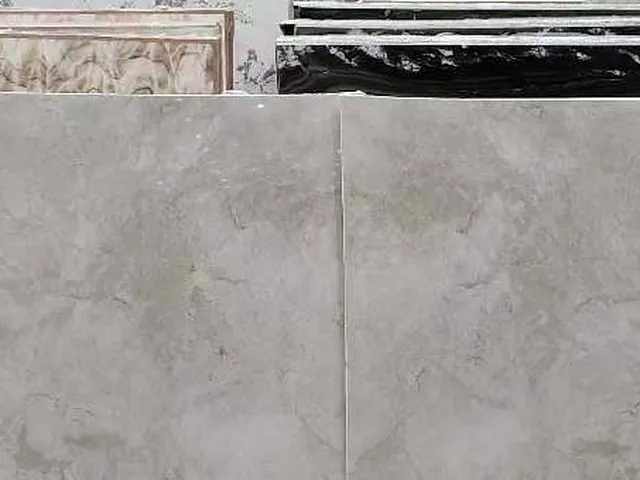
Taj Mahal
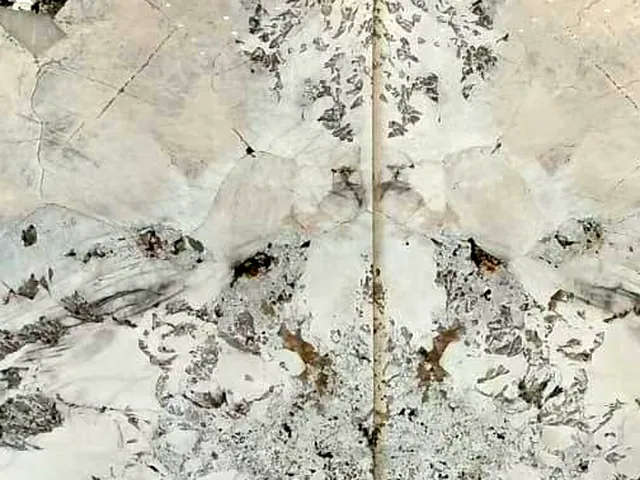
Alpinus
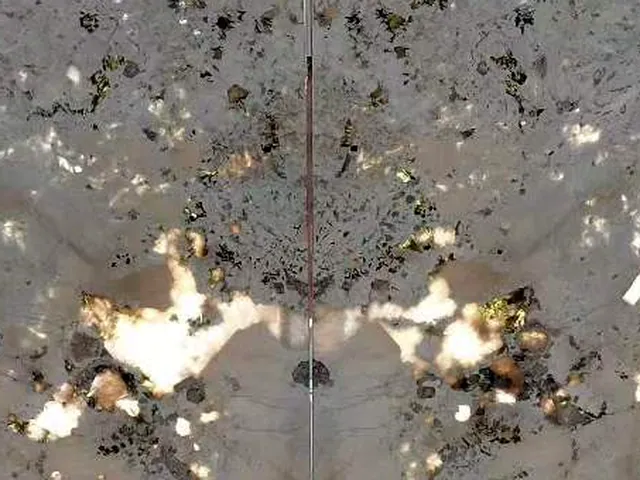
Alpinus Patagonia
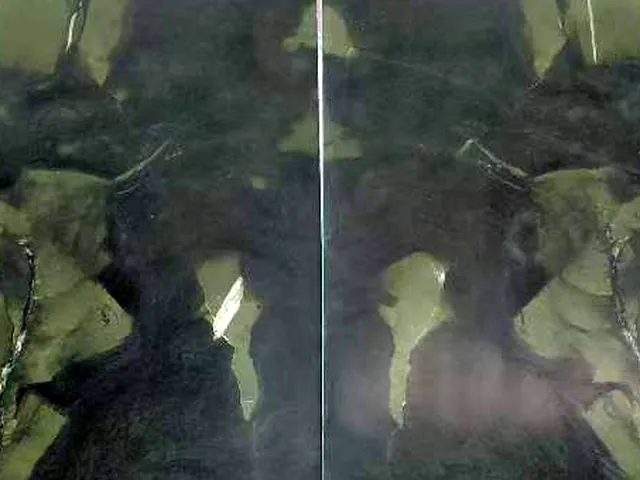
Avocatus
Azul Macaubas
Calacatta Da Vinci
Cielo
Crystallo
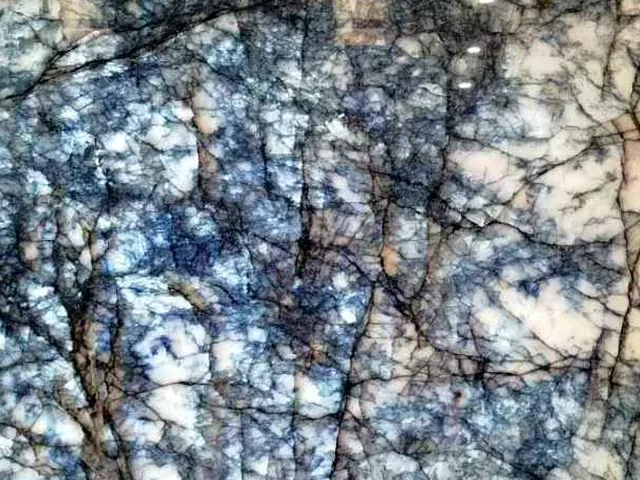
Crystallo Blue
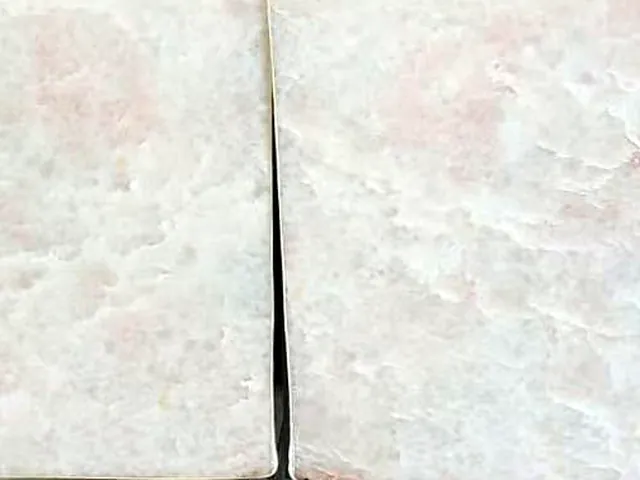
Crystallo Pink
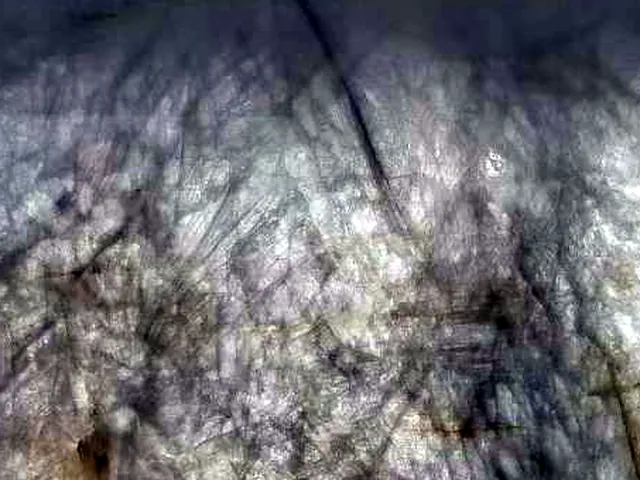
Crystallo White
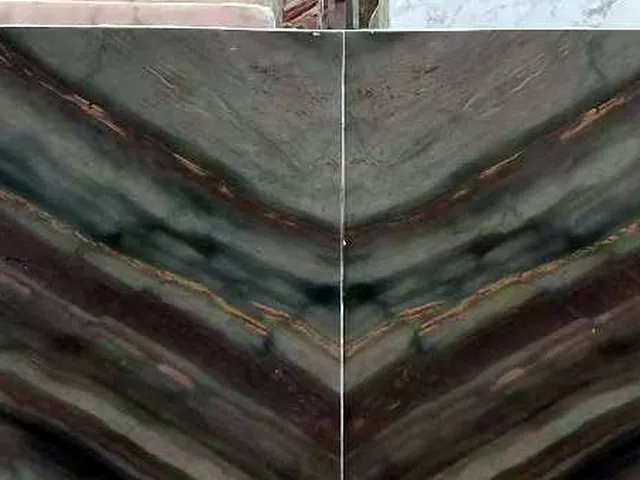
Elegant Brown
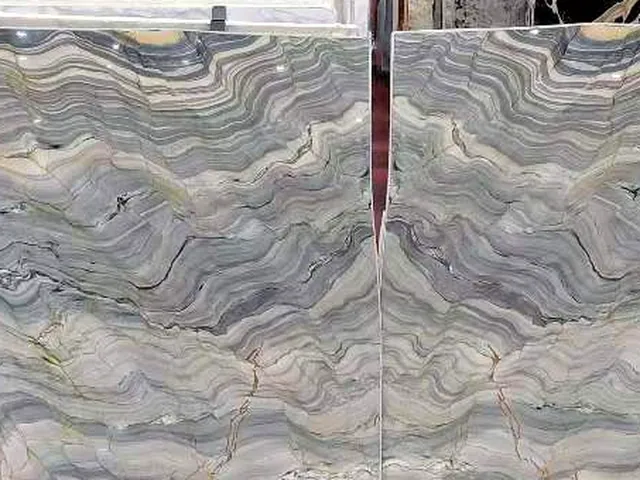
Fusion
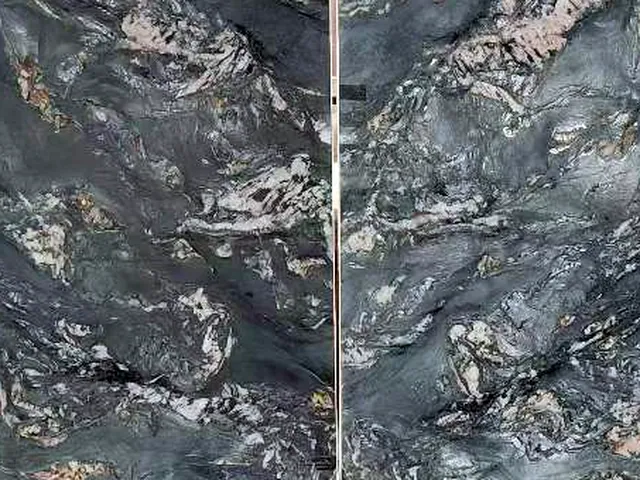
Krypton
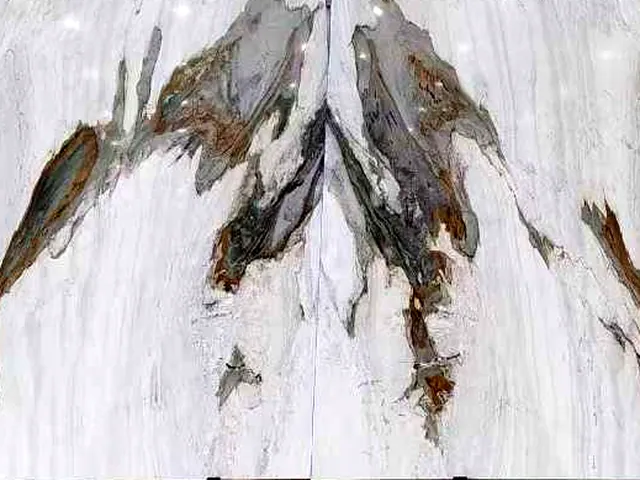
Macchia Vecchia
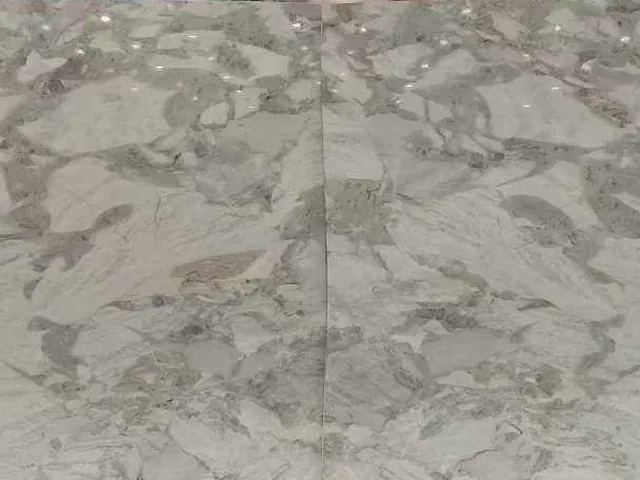
Matarazzo
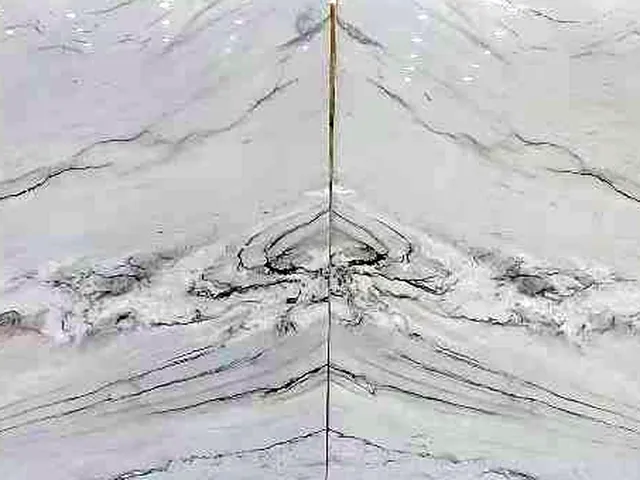
Mont Blanc
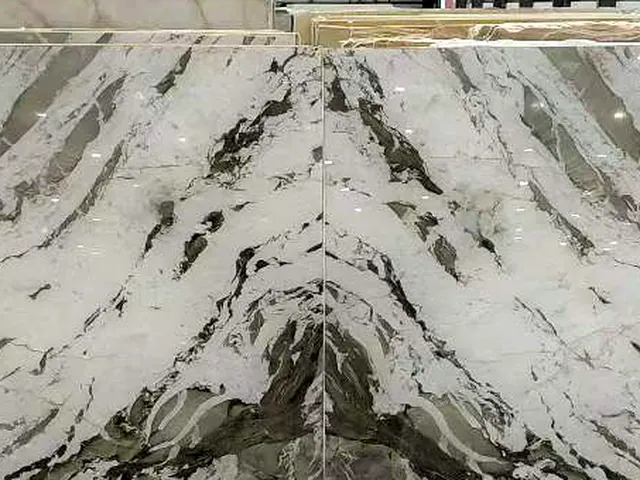
Patagonia Green
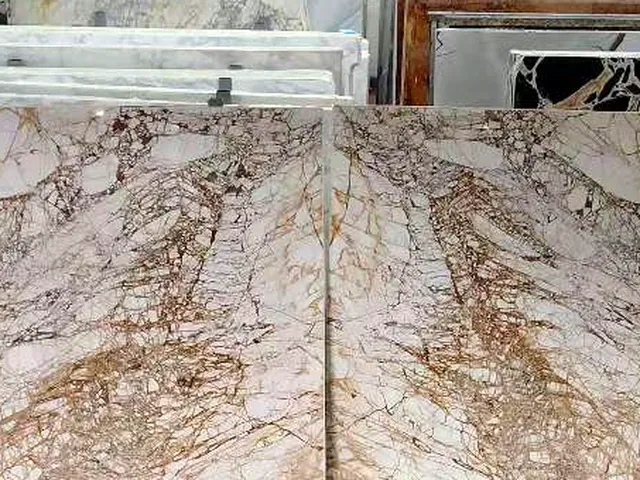
Roma Imperial
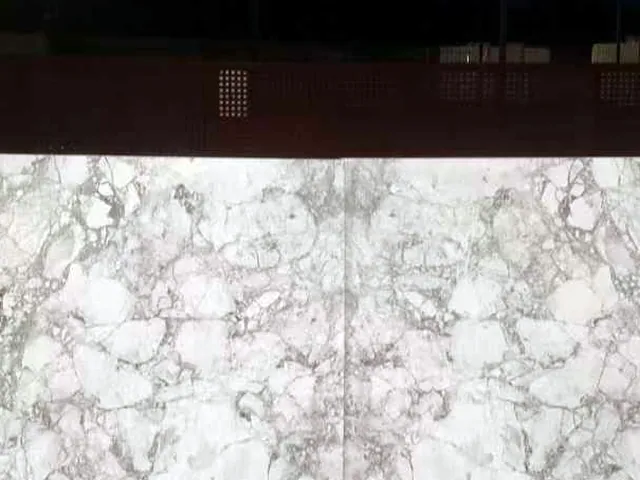
Super White
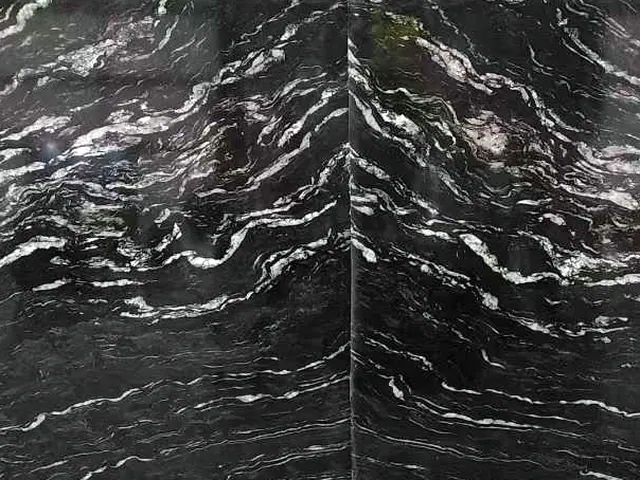
Titanium
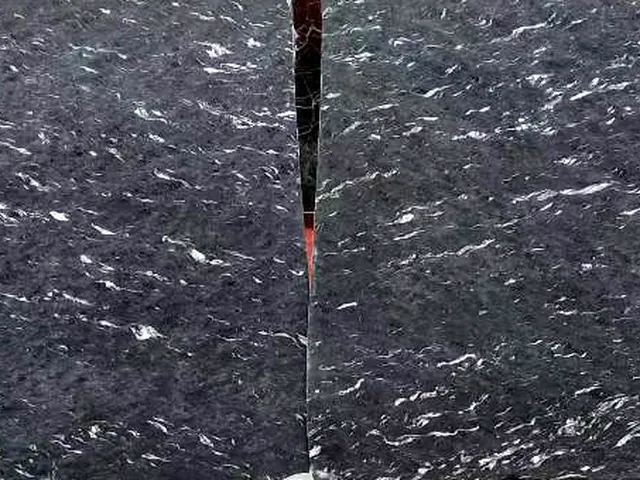
Via Lactea
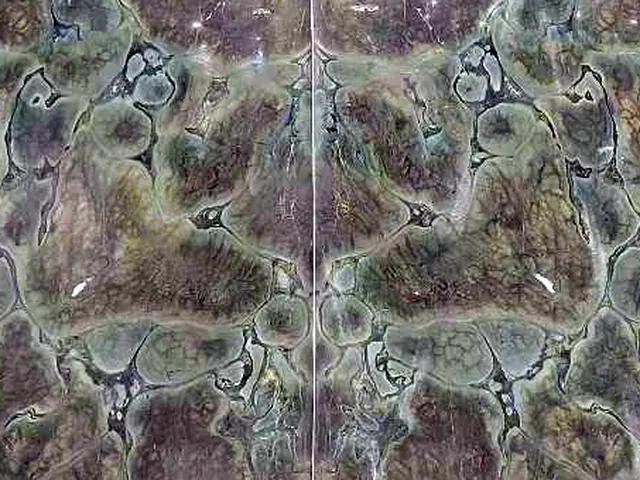
Vitoria Regia
Torn between quartzite and marble? Read marble vs quartzite. And if you already have one in mind, ask us for a quote and photos of the real slabs: we can reserve them for you and we ship worldwide.
Have a project in mind?
Ask us for a no-obligation quote: we will reply with an indicative price.