Natural stone for outdoors and façades: which lasts best
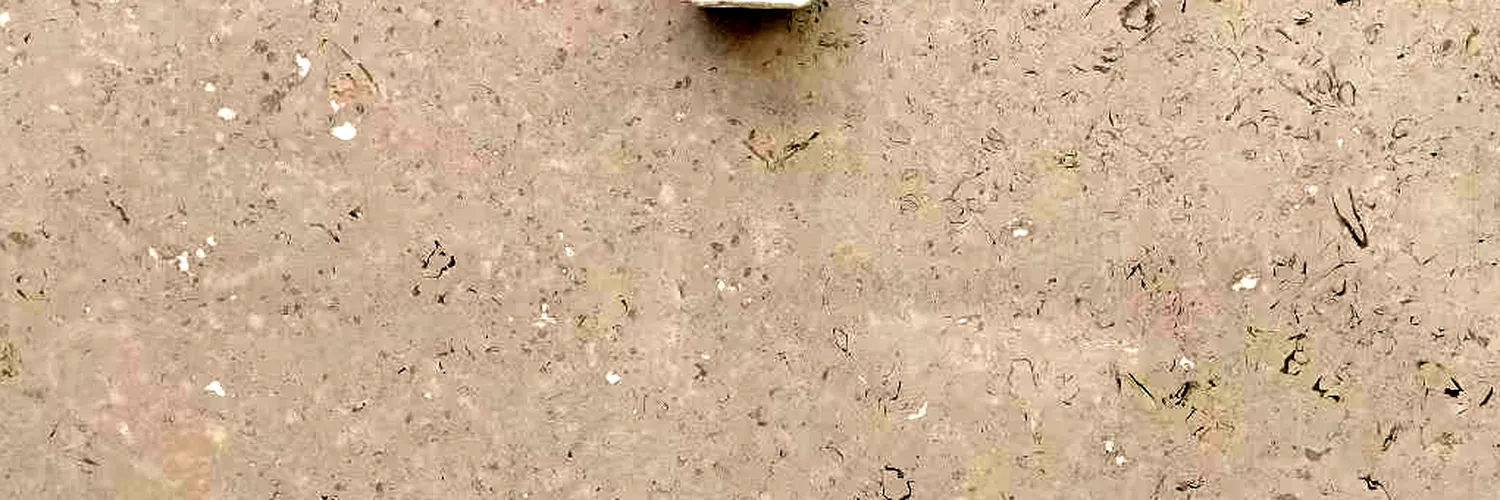
Outdoors, stone faces sun, rain, frost and, by the sea, salt. Not all stones respond the same way, and choosing the right finish matters as much as choosing the stone.
What outdoor stone has to withstand
- Sun (UV): natural stone does not yellow in sunlight the way resin-based materials (such as engineered quartz) can, although some stones may change tone over the years. If possible, look at an existing project in that stone.
- Frost: if stone absorbs water and it freezes, it can crack. In cold climates, choose low-absorption stone.
- Rain: rain is slightly acidic and, over the years, dulls polished marble.
- Slips: wet polished stone is dangerous underfoot.
Which stones work best
- Granite and quartzite: usually hard, low in porosity and weather-resistant, and used for terrace floors, pool copings, steps and outdoor kitchens. Each stone's suitability is confirmed by its water absorption, frost resistance and slip resistance.
- Dense limestones such as Belgian Blue stone: widely used for façades, steps and paving thanks to their wear resistance.
- Marble: used for façades and cladding when its test data supports it, but outdoors it will lose its polish over time. Better to choose a matt or textured finish from the start.
The finish is everything
Avoid polished finishes on outdoor floors. Choose instead:
- Flamed: a high-temperature flame roughens the surface. Typical for granite and other quartz-rich stones; not suitable for marble.
- Bush-hammered: the surface is struck with a toothed hammer, leaving a pitted texture with a lot of grip.
- Sandblasted or shot-blasted: a fine, even texture.
- Honed or leathered: for covered areas or walls.
More detail in our finishes guide.
Pools and coastal homes
Chlorinated water and salt are demanding. For pool copings and surrounds, choose low-absorption stones with a finish whose slip resistance has been confirmed by testing, and seal them with an outdoor-rated product. Rinse with fresh water from time to time to remove salt and chlorine.
Common mistakes
- Polished marble on a terrace floor: slippery, and it will lose its shine.
- Engineered quartz in direct sun: UV can change its colour.
- Forgetting falls: standing water eventually stains any stone.
- Not sealing in frost-prone areas.
Tell us about your project and we will recommend the right stone and finish for your climate. Get a quote.
Need information about a material? Tell us which stone you are interested in, the approximate quantity and the destination. Ask about availability and a quote
Are you an interior designer or architect? How we work with design studios · Contractor or fabricator? Trade supply