How to polish marble: what you can do at home
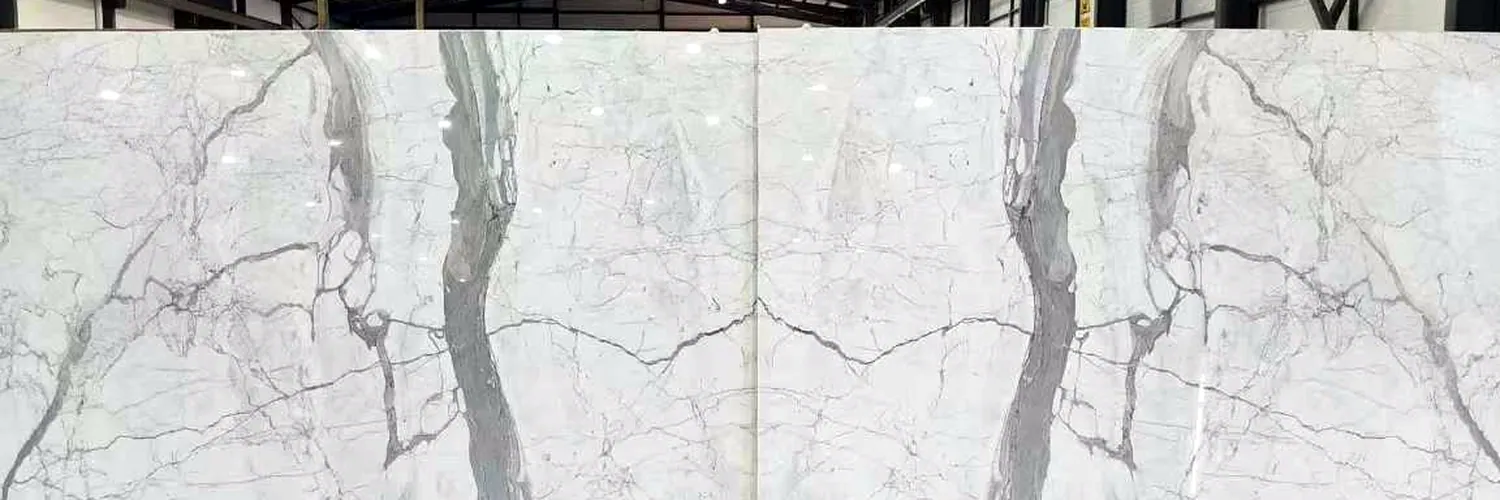
Polished marble loses its shine with use: from friction, grit on shoes or acids. The good news is that marble can be re-polished again and again. Here is what you can fix yourself, when to call a professional, and what never to do.
First: what is wrong with your marble?
- It looks dull overall but feels smooth: usually built-up grime or product residue. Start with a proper clean.
- It has dull, rough patches where lemon, vinegar or wine landed: those are etch marks, where acid has eaten the polish. See marble etching.
- It has a different colour (oil, coffee): that is a stain, not a loss of shine, and needs a different approach: how to remove stains.
- It has scratches, or the floor is worn in walkways: you need professional polishing.
What you can do at home
1. A deep clean
Warm water with a pH-neutral soap and a microfibre cloth. Rinse and dry. Sometimes "dull" marble was simply dirty or coated in product film. More in how to clean marble.
2. Small etch marks on polished marble
There are marble polishing powders and pastes made for this: you rub them over the mark with a damp cloth until the shine returns. They work on shallow marks on polished marble. Always test first in a hidden spot and follow the manufacturer's instructions.
3. Keeping the shine
- Doormats at entrances to keep grit out.
- Coasters and chopping boards in the kitchen.
- Neutral cleaners and regular sealing. See do you need to seal marble.
When to call a professional
Scratches, deep etching, worn walkways or re-polishing a whole floor all call for professional polishing. A stone specialist works with a machine and diamond pads of ever finer grit: first grinding to level the surface, then polishing up to a shine, and finally sealing if needed. Countertops are done in place, without removing them.
Marble has plenty of thickness to be re-polished many times over its life. That is why a decades-old marble floor can look new again.
What not to do
- Vinegar, lemon, bleach or acidic and descaling cleaners: they attack the calcite and make things worse.
- Scouring pads and abrasive kitchen powders: they scratch.
- Waxes or polishes meant for other floors: they leave a film that yellows and traps dirt.
- Hand-sanding large areas: it leaves waves and uneven patches that cost more to fix later.
- Using polishing paste on honed marble: you will end up with a shiny patch on a matt surface.
Prefer wear not to show?
On busy floors or kitchen countertops, a matt honed finish or a leathered finish hides use far better than polish. And if you want a stone that barely marks, look at quartzites in marble vs quartzite.
Choosing stone for a new project? Ask us for photos of real slabs and we will advise on the finish for your use. We ship worldwide.
Have a project in mind?
Ask us for a no-obligation quote: we will reply with an indicative price.